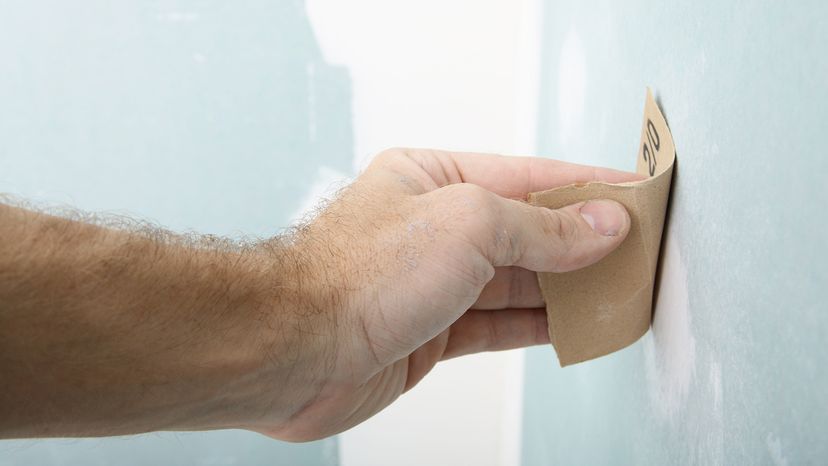
Drywall Repair

Tough as it is, drywall can withstand only limited abuse. A door flung open with too much force can produce a doorknob-size hole in the wall. This kind of damage looks bad, but even large holes are easy to fix.

The easiest way is to purchase a drywall repair kit. Measure the hole, and visit your local hardware store or home improvement center for a kit. There are various sizes and types for different applications. For example, a drywall patch for a ceiling is thicker than one for a wall. Before you use the kit, remove any loose paper or plaster around the edges of the hole. Then apply drywall patch, following the manufacturer's instructions.

In this article, we'll tell you how to fix both a small and a large drywall hole. We'll start with a small hole on the next page.

Not what you're looking for? Try these:

  • Materials: Just having the tools you need on hand for repairs isn't always enough to do the job. You'll often need various materials, such as lumber or drywall, to complete a task. Check out this article for tips on materials.
  • Drywall: Drywall, also known as gypsum board, is the building material used to put up interior walls in a home or other building. Find out all about drywall in this helpful article.
  • How to Install Drywall: Hanging drywall can be done by a do-it-yourselfer, but joining the pieces together does take some practice. Learn how to install drywall in your home.

How to Repair a Small Drywall Hole

To make a repair to a small drywall hole without a kit, follow these directions:

What You'll Need
Here's what you'll want to have on hand when fixing a small drywall hole:
  • Clean tin can lid
  • Tape measure
  • Keyhole saw
  • Awl
  • Thin wire or string
  • Scissors or wire cutters
  • Scrap wood
  • Putty knife
  • Drywall patching compound
  • Sandpaper
  • Primer and paint
  • Paintbrushes
Step 1: Prepare tin can lid that is at least 11/2 inches more in diameter than hole in drywall for backing piece. Use keyhole saw to cut out
narrow horizontal slit in wall on each side of hole. Measurement of hole plus both narrow slits should equal diameter of lid so you can insert lid sideways into hole.


Step 2: Use awl to punch two holes in center of lid. Thread 12-inch piece of wire or string through holes.

Step 3: Holding ends of wire, slide lid through slit. Still holding wire, pull lid toward you until it's flat against inside of wall. To hold in place, set stick of scrap wood over hole on outside of wall and twist wire tightly over stick. Can lid should be
held firmly against inside of wall.


Step 4: Use putty knife to apply premixed drywall patching compound over patch following manufacturer's instructions. (Don't use spackling compound because it shrinks as it dries.) You can also mix plaster of paris with water to make thick paste. Pack compound or plaster into hole against backing and behind stick. Keep compound inside hole, cover backing, and fill slits, but don't spread it on wall surface. Leave patch slightly low, and don't try to level it. Let patch dry until it turns bright white, typically at least 24 hours. When dry, cut string or wire and remove stick.

Here are the main steps in fixing a small drywall hole.

Cut slits from the sides of the hole, then thread a wire
through a tin can lid and slide it in. Pull the lid flat on
 the inside of the wall, and hold it in place with a stick.
Step 5: To finish patch, fill it completely with more plaster of paris or drywall patching compound to make patch level with wall surface. Let dry, lightly sand area, prime, and paint.

In the next section, we'll get more ambitious and find out how to fix a large drywall hole.

Not what you're looking for? Try these:

  • Materials: Just having the tools you need on hand for repairs isn't always enough to do the job. You'll often need various materials, such as lumber or drywall, to complete a task. Check out this article for tips on materials.
  • Drywall: Drywall, also known as gypsum board, is the building material used to put up interior walls in a home or other building. Find out all about drywall in this helpful article.
  • How to Install Drywall: Hanging drywall can be done by a do-it-yourselfer, but joining the pieces together does take some practice. Learn how to install drywall in your home.

How to Repair a Large Drywall Hole

What You'll Need
Here's what it will take to fix a large drywall hole:
  • Scrap piece of drywall
  • Utility knife
  • Pencil keyhole saw
  • Small board
  • Flathead screws
  • Screwdriver
  • Spackling or wallboard joint compound
  • Putty knife
  • Sandpaper
  • Primer and paint
  • Paintbrushes
Sometimes a wall can get a large hole or a section can be damaged by water or other causes. Here's how to fix it without a drywall repair kit:

Step 1: Cut scrap piece of drywall with utility knife into square or rectangle. Scrap piece
should be a little bigger than hole or damaged area. If you don't have piece of drywall, purchase drywall patch from hardware store. Set patch against damaged area, and lightly trace around it with pencil. Cut out outlined area with keyhole saw. Keep saw cut on inside of traced line so hole in drywall will be exactly the same size as patch.


Step 2: To hold wallboard patch in place, install small board about 6 inches longer than long dimension of hole. Put board into hole, center it horizontally, and hold it firmly against inside of wallboard. To help keep it there, fasten ends of board to drywall with flathead screws driven through wall at sides of hole; countersink screws below surface of drywall.

Step 3: Use spackling compound or wallboard joint compound as glue to hold patch in place. Spread compound on back of drywall patch and around edges. Set patch into hole and adjust it so it's exactly even with surrounding wall. Hold it in place until compound starts to set. Let compound dry at least overnight.

To fix a large drywall hole, you need a backing board.

Secure a backing board on the inside of the wall to brace
the patch; then coat the edges of the patch with spackling
compound and set it into place in the hole.
Step 4: Once compound is dry, fill patch outline and cover exposed screw heads with spackling or joint compound. Let dry, lightly sand area, prime, and paint.

With these tips under your belt, you should be ready to tackle those unsightly holes, and keep your drywall looking its best.

Not what you're looking for? Try these:

  • Materials: Just having the tools you need on hand for repairs isn't always enough to do the job. You'll often need various materials, such as lumber or drywall, to complete a task. Check out this article for tips on materials.
  • Drywall: Drywall, also known as gypsum board, is the building material used to put up interior walls in a home or other building. Find out all about drywall in this helpful article.
  • How to Install Drywall: Hanging drywall can be done by a do-it-yourselfer, but joining the pieces together does take some practice. Learn how to install drywall in your home.