
Common Furniture Woods
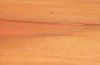
Common furniture woods have their own distinctive marks, just like each person has his or her own unique fingerprints. Below are some details or characteristics that can help you easily identify the numerous types of furniture woods available.
Ash (white ash): Ash is a tough hardwood known primarily for its excellent bending abilities; it's used for bentwoods and for bent furniture parts requiring maximum strength. Ash veneers are also common. Ash varies in color from creamy white or gray with a light brown cast to a dark reddish brown. The price is moderate.
Advertisement
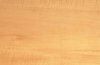
Basswood: Basswood is a common hardwood, often used in combination with rare woods such as walnut and mahogany. Its color varies from creamy white to creamy brown or reddish, with broad rays and sometimes slightly darker streaks. The grain is straight and even. Basswood is close-grained, with very small pores. It is inexpensive.
Beech: Beech is another hardwood that bends easily, but it isn't as attractive as ash. Beech is often used with more expensive woods, primarily in inconspicuous places -- chair and table legs, drawer bottoms, sides and backs of cabinets. Beech takes a stain well, and is often stained to look like mahogany, maple, or cherry. Beech is both hard and heavy,and is difficult to work with hand tools. It is inexpensive.
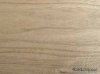
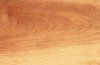
Birch (yellow birch): Birch, a common hardwood, is used in all aspects of furniture construction. The wood is light yellowish brown, very similar in color and in grain to maple. The grain is quite pleasing. Birch is close-grained. It is moderately expensive.
Butternut: This hardwood, often called white walnut, is similar in many ways to walnut. The wood is light brown, with occasional dark or reddish streaks. The grain is pronounced and leafy. Butternut is coarse-textured, with visibly open pores; it is usually filled. Butternut stains well, and is often stained to look like dark walnut. The wood is light, and is easy to work with hand tools. It is moderately expensive.
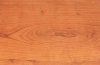
Cedar (Eastern red cedar): Cedar, a softwood, is used primarily in chests and closets; it has a distinctive scent, and is effective in repelling insects. The wood is a light red, with light streaks and knots; the grain is quite pleasing. Cedar is close-grained. It should not be bleached or stained. Cedar storage chests should be left unfinished on the inside, and treated with a clear finish on the outside. Cedar is moderately expensive.
Cherry (black cherry): Cherry, one of the most valued of hardwoods, is used in fine furniture and cabinets. Its color varies from light brown to dark reddish brown, and it has a very attractive and distinctive grain, often with a definite mottle. Cherry is close-grained, and does not require a filler. A light stain is sometimes used to accentuate the color. Cherry is difficult to work with hand tools, and it is expensive.
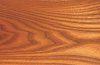
Elm (rock elm, American elm): This hardwood has excellent bending qualities; it's used in all types of furniture, and especially for bentwoods. Elm is light brown to dark brown, often with some red streaks Elm has a distinct grain; rock elm has contrasting light and dark-areas. Because Dutch elm disease has destroyed so many trees, elm has become a rare wood, and can be both hard to find and expensive.
Gum (sweetgum, red gum): This hardwood is often used in veneers or in combination with rare woods; it's also used in some moderately priced furniture. Gum is an even brown, with a reddish cast; it sometimes has darker streaks. Its price is moderate to low.
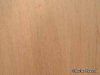
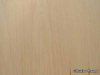
Hickory (shagbark hickory): This hardwood is noted for its strength, hardness, and toughness; it is used in rockers, Windsor chairs, lawn furniture, and some veneers. The wood is brown to reddish brown, with a straight, indistinct grain; it is open-grained. Hickory is very hard and heavy, and is difficult to work with hand tools. Its price is moderate.
Lauan (red lauan, white lauan): This hardwood, a mahogany look-alike, is used in less expensive grades of furniture; it is often sold as Philippine mahogany. The wood varies in color from tan to brown to dark red, with a ribbonlike grain pattern similar to that of true mahogany. Red lauan is more expensive than white.
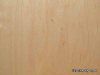
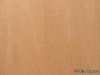
Mahogany (New World mahogany, African mahogany): This hardwood is a traditional favorite for fine furniture, one of the most treasured furniture woods in the world. It's also used extensively in veneers. Mahogany varies in color from medium brown to deep red-brown and dark red; the grain is very distinctive and attractive. It is very expensive.
Maple (sugar maple): Maple is a strong, dense, attractive hardwood, used in furniture and for butcher blocks. Its color is light brown, with a reddish cast; the grain is usually straight, but also occurs in bird's-eye, curly, or wavy patterns. Maple is difficult to work with hand tools, and is usually expensive.
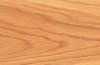
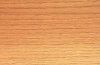
Oak (red oak, white oak): This abundant hardwood has always been valued for its strength and its attractive grain; It is used extensively for solid furniture and, in modern furniture, for veneers. White oak is a rich grayish brown color; red oak is similar, but with a pronounced reddish cast. Both types of oak are distinctively grained, with prominent rays or streaks. The wood is open-grained. It is moderately expensive; red oak is usually less expensive than white.
Pecan: This southern hardwood is quite strong, and is used extensively in dining and office furniture; pecan veneers are also common. The wood varies from pale brown to reddish brown, with some dark streaks; the grain is quite pronounced. The wood is difficult to work with hand tools; the price is moderate.
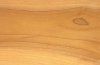
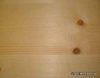
Pine (white pine): This softwood was used extensively for Colonial furniture, and is one of the basic woods of modern furniture; it's used in almost all types of furniture, and is the primary wood used for unfinished furniture. The wood varies from cream to yellow-brown, with clearly marked growth rings; it is close-grained. It is inexpensive.
Poplar (yellow poplar): Poplar is a moderately soft hardwood, used in inexpensive furniture and in combination with more expensive woods. The wood is brownish yellow, with a distinctive green tinge; the grain is subdued. Poplar is close-grained wood. It stains very well. Poplar is relatively light, and is easy to work with hand tools. It is inexpensive.
Redwood: This distinctive softwood is used primarily for outdoor furniture; it is resistant to decay and insects, and is rarely finished. The wood is a deep reddish brown, with well-marked growth rings. It is moderately hard, and is easy to work with hand tools; its price varies regionally.
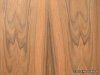
Rosewood (Brazilian, Indian, or Ceylonese rosewood): This hardwood, like mahogany, is one of the finest and most valued furniture woods; it's also used for veneers. Rosewood varies in color from dark brown to dark purple, with rich, strongly marked black streaks. Rosewood is difficult to work with hand tools, and is very expensive.
Satinwood (East Indian satinwood): Satinwood has always been prized for fine hardwood veneers and also for use in decorative inlays and marquetry. Its color varies from bright golden yellow to a darker yellowish brown, with a very distinctive and attractive mottled or ribbon-striped pattern. It is very expensive.
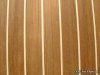
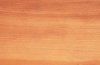
Sycamore: This hardwood is used extensively in inexpensive furniture and in veneers; it is very resistant to splitting, and is also a favorite wood for butcher blocks. The wood varies from pinkish to reddish brown in color, with prominent, closely spaced rays; the grain pattern is distinct. It is moderately easy to work with hand tools, and moderately priced.
Teak: Teak is one of the choice furniture hardwoods, and has traditionally been used for both solid pieces and veneers. Teak varies from rich golden-yellow to dark brown, with dark and light streaks. It is very expensive.
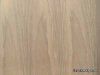
Walnut (black walnut, European walnut): Walnut has traditionally been used for fine furniture, and is still in demand today; it is commonly used in veneers. Walnut is chocolate brown, sometimes with dark or purplish streaks; its grain is very striking and attractive. It is very expensive.
Other woods: Although most furniture is made from the woods listed above, many other woods are used in furniture construction.
Some of the other woods used for furniture are alder, apple, aspen, chestnut, cottonwood, cypress, fir, hackberry, hemlock, holly, koa, laurel, locust, magnolia, pear-wood, spruce, tupelo, and willow. Treat all wood according to its apparent traits.
A piece of furniture holds many clues that can help you assess what quality of wood was used in its creation. The key is just knowing how to assess the wood and what clues to look for.
©Publications International, Ltd.