Home Remedies for Cats With Hairballs

Every time your cat grooms herself, she swallows some loose hairs. The hairs don't digest and then they get passed through the cat's stomach and intestines. Sometimes -- especially in longhair cats, during periods of heavy shedding, or in cats who groom other cats or groom themselves excessively -- the cat swallows enough hair so that it forms a wad in the cat's stomach. These wads of hair are ejected as hairballs.

Virtually all cats have hairballs at some point in their lives. Many are passed through the intestines, but cats who swallow large amounts of fur can develop hairballs that actually clog the digestive system and have to be removed with surgery.

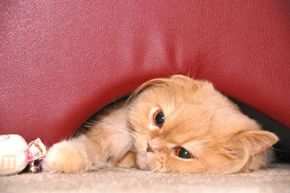
Long-haired cats are more susceptible to hairballs.
©2006 Publications International, Ltd.
Long-haired cats are more
susceptible to hairballs.

What to Do

Many times, the best thing to do when your cat coughs up a hairball is...nothing (except clean it up, of course). Once the hairball is out, everything's usually fine. Still, if your cat is bringing up hairballs regularly or to prevent future hairballs, there are some tried-and-true tricks to take care of this common cat complaint.

Brush up a bit. Regular grooming, even just a little bit every few days, removes the loose hairs that cause hairballs. Remember, every loose hair you brush or comb off your cat is one less for her to swallow.

Ease the passing. A small amount of intestinal lubrication will help hairballs make their way through the digestive system instead of coming back up. You can buy commercial hairball remedies, use a little bit of melted butter, or give your cat a small dollop of petroleum jelly. The petroleum jelly is probably the cheapest and most effective method, but it's also the one most difficult to convince the cat to swallow. Butter is probably a better bet, since most cats love dairy and fat. Give your cat about a half-teaspoon of melted butter once a day for a few days (and no longer); it should do the trick. Commercial remedies taste good and are very effective, but always read and follow label directions carefully. (Never give any hairball remedy as a daily part of the cat's diet or for more than four or five days in a row, unless specifically recommended by your veterinarian.)

Bulk up your cat's diet. Too many snacks, too little fiber, and not enough exercise. It may sound like what the doctor told you at your last checkup, but it's equally sound advice for your cat. A hairball is a problem because it just sits there. Unless you get your cat's system moving a little more vigorously, hair will continue to collect, form hairballs, and be thrown up on your best rug or next to the bed for you to find with your bare feet in the middle of the night. A higher fiber diet, fewer empty-calorie snacks, and a little more exercise may be all it takes to lick a hairball problem.

When to Call the Vet

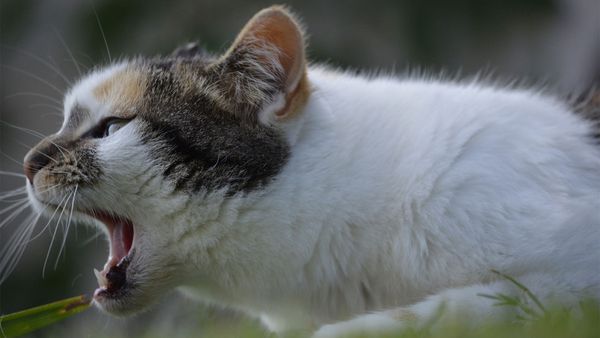
A hairball once in a while is normal. Hairballs several times a week or even daily is a problem. Hairballs usually come up in one or two tries. If your cat continues retching and trying to bring something up or has diarrhea that won't stop or loses her appetite along with hairballs, call your vet right away. It doesn't happen often, but hairballs can get so bad they block the throat, stomach, or intestines; and that can be fatal.

DANGER LEVEL: Occasional hairballs should be considered normal, and even more frequent ones are not dangerous. If hairballs can't be passed or thrown up, though, they can cause blockages in the digestive system that are very dangerous.

Next we will deal with a problem that is an epidemic with both humans and cats. In the next section, we will learn how to treat overweight cats.