
House Plants
House plants bring the fresh beauty of the outdoors inside your home. Learn about different kinds of house plants and how to care for them.

12 Sunflowers Facts for Beginner Gardeners

How can you recycle water for your outdoor garden?

5 Ways to Garden in Winter
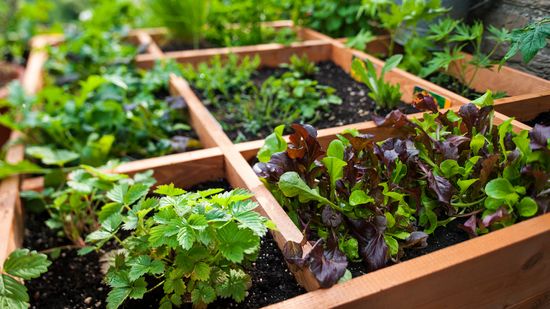
Square Foot Gardening: The Planting Method Created By an Engineer

Hugelkultur Bed: Creating the Perfect Soil for Your Garden
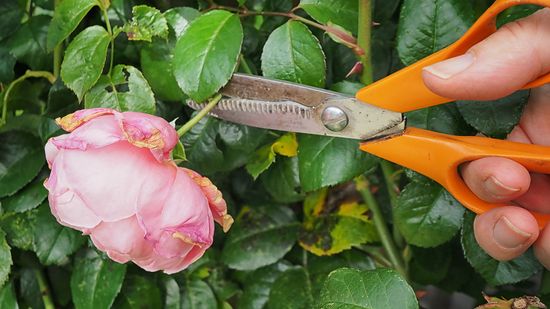
How Deadheading Helps Flowering Plants Flourish
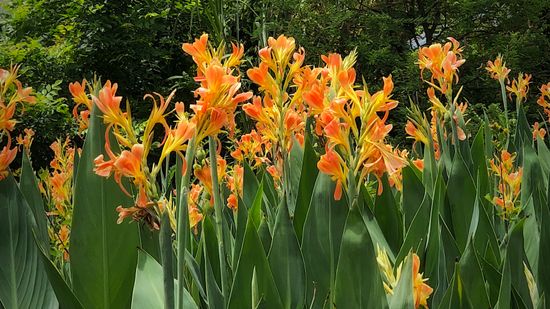
How to Store Canna Bulbs
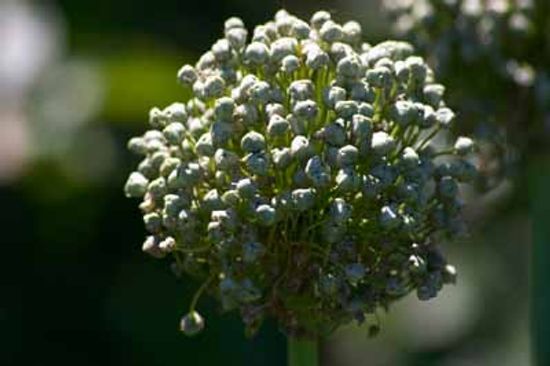
Flowering Onion

Glory-of-the-Snow

Community Gardens Are Good for the Neighborhood
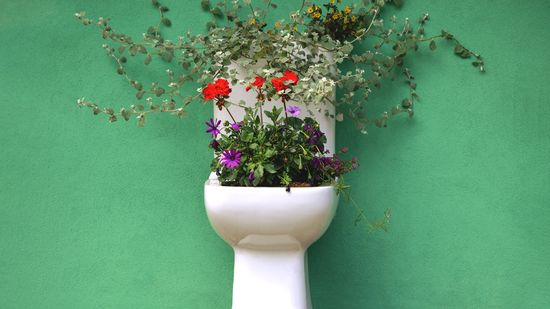
Use Your Pee to Grow Your Peas
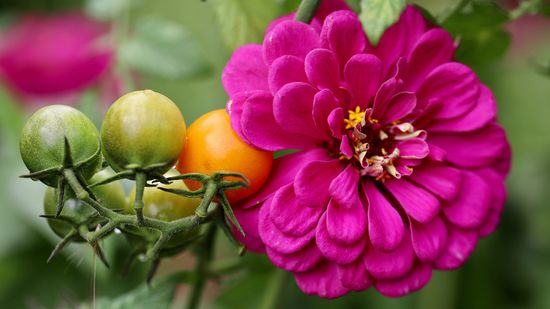
Companion Planting: The Do's and Don'ts of Growing Plants Together
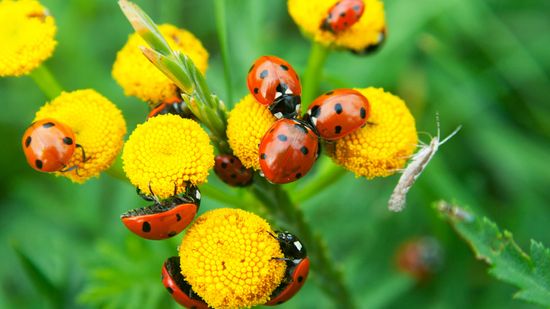
Put Down the Pesticides! Introduce Beneficial Insects Into Your Garden
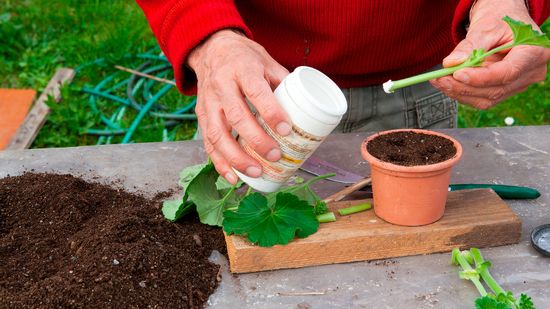
How to Use Rooting Hormone to Propagate New Plants From Cuttings
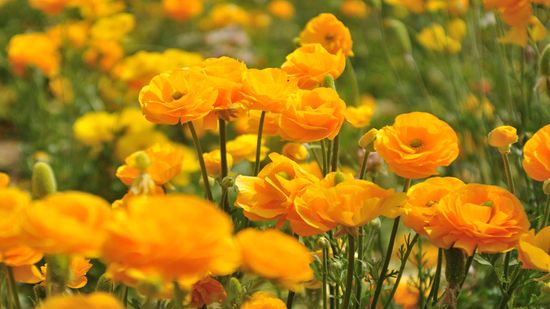
Ranunculus Is a Toxic Beauty With a Doozy of a Name
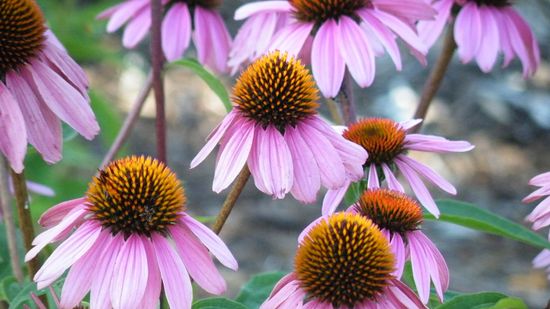
5 Easy Medicinal Herbs You Should Know and Grow

How Do You Grow a 2,000-pound Pumpkin?

How Bog Gardens Work
Learn More / Page 2
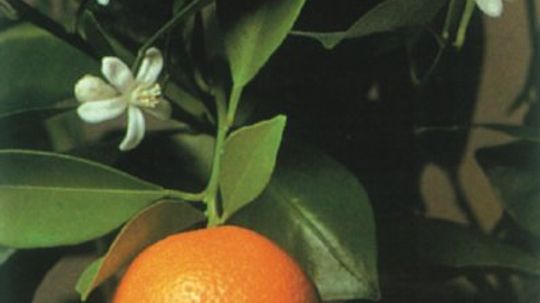
The calamondin orange tree is an indoor or outdoor dwarf tree. Beyond its ornamental value, the tree produces bitter fruit that is nevertheless a culinary hit. Learn how to care for this citrus plant and reap the health benefits!
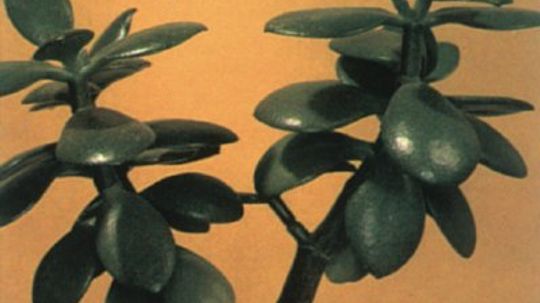
Jade plant is a thick-stemmed succulent plant with fleshy leaves edged in red. It's very easy to care for and will survive even under quite adverse conditions. Read about this African native.
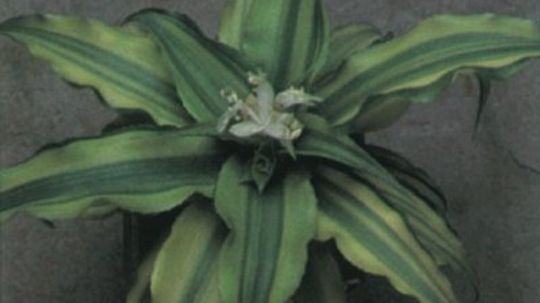
Earth star, or star fish, plant has rosettes of tough, prickly edged leaves with stripes in various greens. In the middle it bears small, unimpressive flowers. Read about these easy-to-care-for bromeliads.
Advertisement
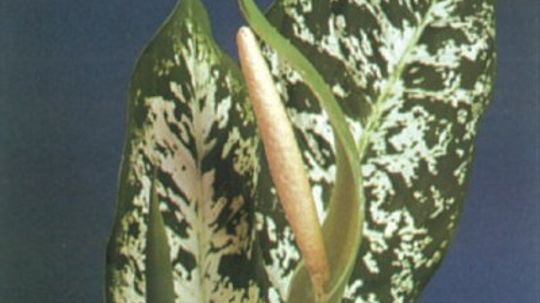
Mother-in-law's tongue, or dumb cane, has toxic sap that can cause a painful loss of speech if ingested. This easy-to-care-for house plant produces thick green stems with white to yellow marbled leaves. Read more.
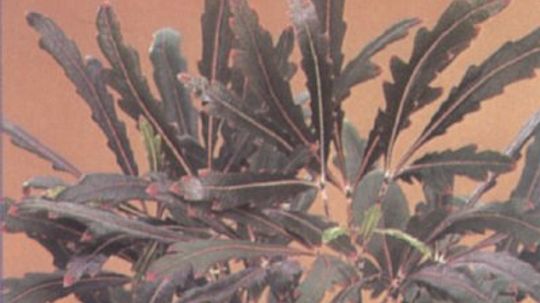
False aralia, also known as threadleaf and finger aralia, is a small tree with coppery leaflets joined in a fingerlike pattern. Read more about this easy-to-care-for house plant, its growth, and preferences.
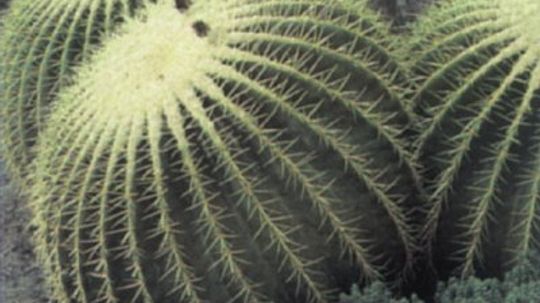
Golden barrel cactus, or mother-in-law's cushion, forms a single, large globe. Its ribs are lined with hooked spines. It needs little nourishment but prefers full sun. Read about this special plant and its care.
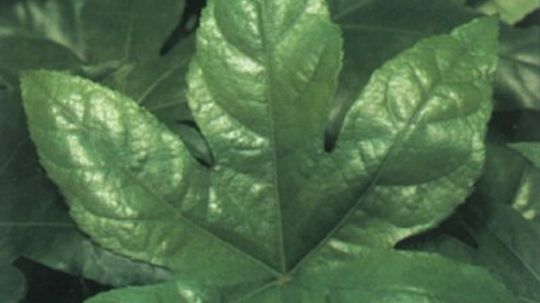
Japanese aralia is a fast-growing shrub with leathery leaves. It is quite demanding to the point where touching newly formed leaves can permanently damage them. Read about this brightly colored house plant.
Advertisement
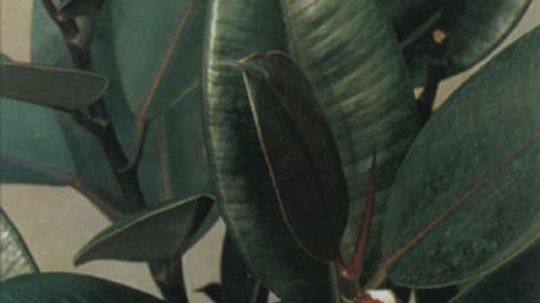
Rubber plant usually has just one single trunk but can be pinched back to encourage more to grow. It has thick, leathery leaves often with a red mid-vein. Read more about this demanding house plant.

Oxtongue is a succulent with thick leaves that are often covered with white wartlike protuberances or white spots. After a cool winter rest it bears tall stems with pink, yellow, or red flowers. Read more.
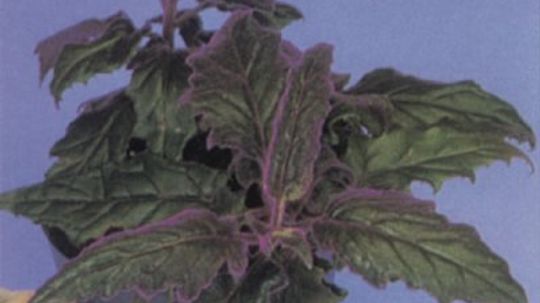
Purple passion vine has clambering branches and toothed leaves that are completely covered in purple hair making it look soft and velvety. It is easy to care for but do not overfeed it. Read more.

Snake plant grows over one and one-half foot high. Its leaves come in green- and yellow-striped varieties. Given preferential light, it will bloom nicely scented flowers. Learn why snake plant is easy to grow.
Advertisement
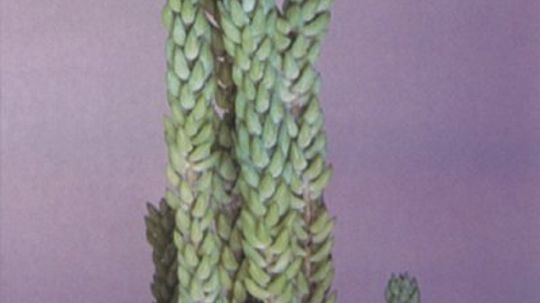
Burro's tail plant gets its name from the lengthy stems that produce round leaves, giving the appearance of a tail. Flowering isn't common, and it drops leaves when disturbed. Learn how to use fallen leaves.
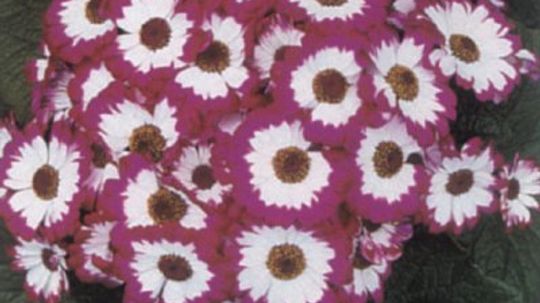
Cineraria, an inviting plant with blooms similar to daisies, comes in a variety of colors. Though often given as a gift, it can have whitefly and aphid infestations. Learn how long to display cineraria.
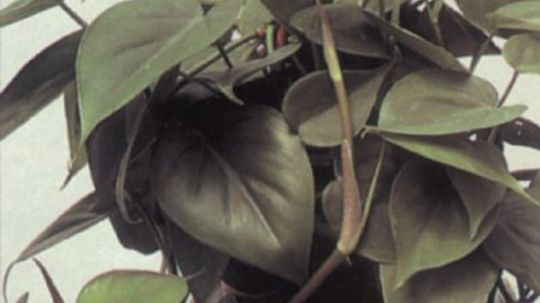
Heartleaf philodendron looks good displayed from a hanging basket or trained on a trellis. A robust plant, it survives what some gardeners would consider neglect. Learn more about preventing skimpy heartleaf philodendron.

Peruvian apple cactus is a tall, green, spiny house plant that will live almost anywhere but only really thrives in a sunny spot. Read more about this easy-to-care-for, typical cactus.
Advertisement

Parlor palm, or good luck palm, is a slow-growing house plant with bright green, fan-shaped leaves. It is quite easy to care for under the right circumstances. Read more about its flowers and needs.
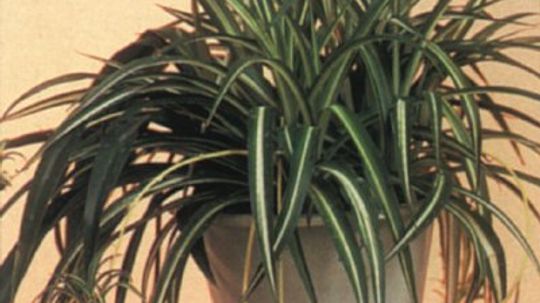
Spider plant, also known as airplane and ribbon plant, grows rosettes of grasslike leaves with long flower stems. Read about the best ways to care for this easy house plant.
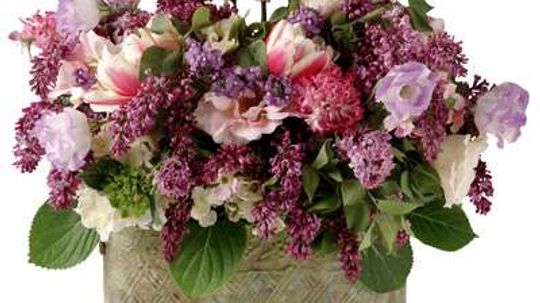
Flowers have always played a part in our history. Even primitive man used flowers and plants to beautify his face, body, and his cave. Read this article to learn about the materials and techniques for arranging flowers, and the meanings of flowers.