When iron starts to corrode, it forms rust, a substance that often causes unsightly brownish stains. If you accidentally brush up against a rusty surface, you'll be rewarded with a serious laundry stain. Follow these stain removal tips to give your fabrics and household surfaces a clean start.
How to Remove Iron and Rust Stains From:
Acetate, Fiberglass, Rayon, Silk, Triacetate, Wool
Because of the degree of difficulty involved in the removal of rust stains, it is best not to try removing this from these delicate fabrics yourself.
How to Remove Iron and Rust Stains From:
Acrylic Fabric, Modacrylic, Nylon, Olefin, Polyester
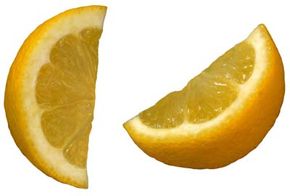
Apply lemon juice to the stain, but do not let it dry. Rinse thoroughly with water. If possible, launder. If not and the stain remains, test a fabric-safe rust remover, Bar Keepers Friend Cleanser & Polish, then apply according to package directions. After using, flush (the method of applying stain remover to loosen staining material and residue from stain removers) the area with cool water and launder as soon as possible. Caution: Be careful not to spill other brands of rust remover on porcelain or enamel finishes (like those on washing machines), as these products can ruin the finish.
How to Remove Iron and Rust Stains From:
Asphalt, Linoleum, Vinyl Tile
Wipe the stain with a cloth or sponge dipped in warm sudsy water. Rinse well and wipe dry. If any stain remains, use a rust remover, Bar Keepers Friend Cleanser & Polish, which is safe for resilient floors when used according to package directions.
How to Remove Iron and Rust Stains From:
Brick, Concrete, Granite
Make a poultice from 7 parts lime-free glycerine, 1 part sodium citrate (available from drug stores), 6 parts lukewarm water, and enough powdered calcium carbonate (chalk) to create a thick paste. Apply this paste to the stain and allow to harden. Remove with a wooden scraper and repeat if necessary. Wash area thoroughly with clear water and let dry.
How to Remove Iron and Rust Stains From:
Carpet (synthetic and wool)
Apply lemon juice and salt to the stain. Flush with water and blot well. If any stain remains, test a fabric-safe rust remover, Bar Keepers Friend Cleanser & Polish; if the fabric is not damaged, apply according to label directions. Flush thoroughly with water; blot excess liquid. Allow to dry.
How to Remove Iron and Rust Stains From:
Ceramic Tile, Porcelain Dishes, Porcelain Fixtures
On the tub, sink, ceramic tile, or toilet, wet Pumie Scouring Stick, a pumice bar, and rub the iron stain. Caution: Do not use this pumice stick on the ceramic glass found on cookware or ceramic cooktops, as it will scratch the surface. A paste of borax and lemon juice also is effective on iron stains. Rub the paste into the stain and allow it to dry. Rinse with clear water, then repeat if necessary. Rinse again and dry with a clean cloth.
How to Remove Iron and Rust Stains From:
Cotton, Linen
Rub liquid dishwashing or laundry detergent into the stain, rinse with water, and launder as soon as possible. If stain remains, test fabric for colorfastness, then use a fabric-safe rust remover, Bar Keepers Friend Cleanser & Polish, according to package directions.
How to Remove Iron and Rust Stains From:
Leather, Suede
Iron and rust are chemical stains that should be treated by a professional cleaner.
How to Remove Iron and Rust Stains From:
Stainless Steel
Rub stainless steel with a damp piece of very fine grade emery paper, followed by rubbing it with a slice of onion. Rinse well with hot water and dry thoroughly with a soft cloth.
Iron and rust go hand in hand. These spot removal techniques will help you erase rust's ugly influence.
How to Remove Iron and Rust Stains
Cite This!
Please copy/paste the following text to properly cite this How Stuff Works article:
of Consumer Guide, the Editors. "How to Remove Iron and Rust Stains." 28 March 2006. HowStuffWorks.com. <http://home.howstuffworks.com/how-to-remove-iron-and-rust-stains.htm> 09 July 2008.

