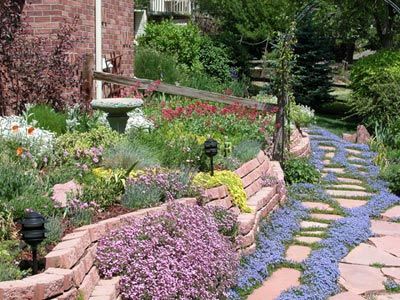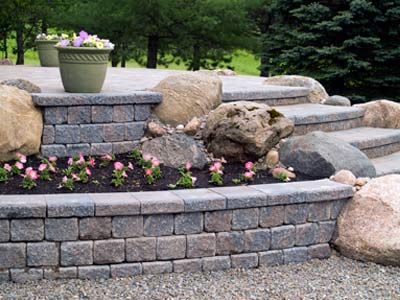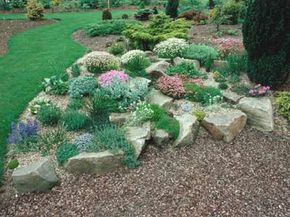
Few are able to deny the magnetism that rock gardens have. If you've never seen one, a rock garden is simply a plot with a mix of rocks and any of several special species of small flowers. Some would say that because rocks are permanent, solid and rugged, they complement the delicacy of flowers. The Japanese recognized the calming and meditative effect of rock arrangement as far back as the medieval era when they developed the Zen garden. Fortunately, forging a beautiful and relaxing rock garden in your yard is surprisingly simple.
If you're still on the fence about whether you want to take the time to build a rock garden, consider that this small time investment will pay off in spades. That's because rock gardens can turn grassy areas and awkward, difficult-to-mow slopes into a low-maintenance landscape. In other words, when you're done landscaping, you can just step back and enjoy your garden. You'll probably have no harder labor ahead of you than occasional light watering or perhaps removing a weed or two.
Advertisement
When you've learned just a few tricks of the trade, you can create an effective rock garden that seamlessly blends into your landscape. Consider how other kinds of gardens, such as vegetable gardens, can look obviously cultivated and artificial. On the other hand, a well-designed rock garden evokes a sense that Mother Nature has courteously bestowed some her best work on your land, to the envy of all the other lawns. In addition, rock gardens provide the ideal place to showcase the small, delicate and understated flowers that get overshadowed in other gardens.
If you happen to have a gentle slope in your yard that gets plenty of sun, this is the perfect place to build a natural-looking rock garden. If you aren't so lucky, however, you still have plenty of options. Take note that sometimes different rules apply to varying climates and soils, too, but we'll lend tips when these exceptions might crop up. Next, we'll dig into what makes a proper rock garden foundation.
Advertisement