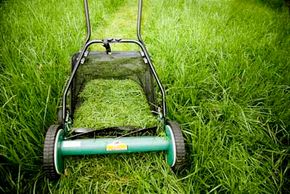
To bag, or not to bag, that is the (clichéd) question. Once the weather begins to heat up, lawns put on their bright green coats, and the familiar sound of the lawn mower fills neighborhoods across the land.
Then there's the aftermath. Bags upon bags of heavy, sweating grass herded to the bottom of driveways to await the garbage man. This unwieldy waste comprises up to 20 percent of the solid waste collected in the United States every year [source: Colt, Bell and Johnson]. A single acre of grass yields three tons of clippings using up around 260 bags each year [source: Connecticut Department of Environmental Protection]. That's why many states have banned grass waste from landfills and require that you bag them separately from your garbage.
Advertisement
Does that mean that not bagging your grass is better for the environment? What harm could a little grass do at a dump?
Bagging grass consumes far more energy, if you think about the waste from making the grass bags and transporting heavy loads to the dump. Once they get to the landfill, the nutrients that could go back into the soil are totally wasted. The minerals and any pesticides used to treat it decompose and eventually seep into groundwater supplies [source: Colt, Bell and Johnson].
On the other hand, if you keep your grass clippings, you can turn it into a natural fertilizer, mulch and soil additive to enrich your lawn. Many agricultural experts recommend following a "Don't Bag It" program, originally designed in Texas, to exploit the benefits of allowing clippings to fall to the ground. Because of benefits like these, Americans composted 20 million tons of yard waste including grass clippings in 2006 [source: EPA]. These lawn maintenance steps can save you time and money and leave you with a healthier, more attractive lawn.
Does it sound too good to be true? Read on to the next page to find out how you can green your lawn, both figuratively and literally, by saying good-bye to the bag.
Advertisement