
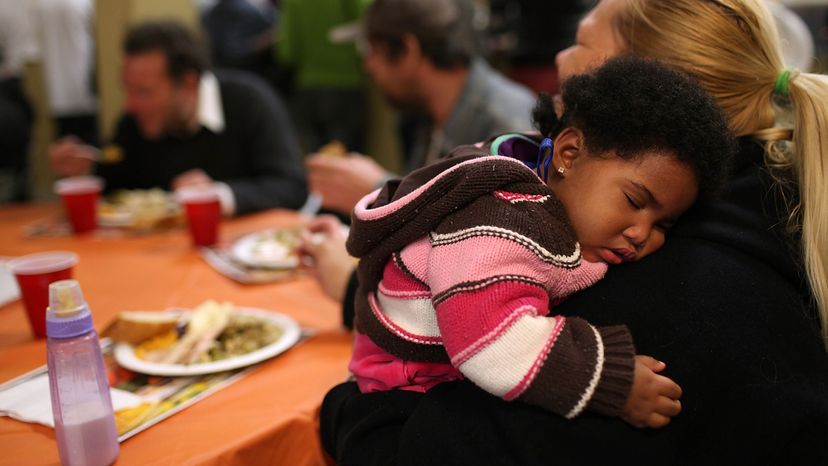
So many of us just want to nap on Thanksgiving, and some say turkey may be to blame. So does turkey make you sleepy, or is it something else? Turkey has the makings of a natural sedative, an amino acid called tryptophan.
Advertisement
So many of us just want to nap on Thanksgiving, and some say turkey may be to blame. So does turkey make you sleepy, or is it something else? Turkey has the makings of a natural sedative, an amino acid called tryptophan.
Advertisement
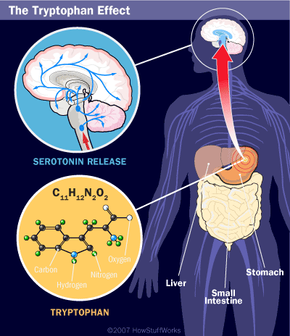
Tryptophan is an essential amino acid the body uses produce to produce melatonin, serotonin and the B vitamin niacin. Melatonin is a hormone that helps regulate your sleep cycle, and serotonin is a neurotransmitter that also plays a crucial role in sleep. So you might think that if you eat a lot of turkey meat, your body would produce more melatonin and serotonin, and you would feel tired and want a nap.
That was the conclusion that led many people to begin taking a dietary supplement of tryptophan in the 1980s as a way to treat insomnia, but the U.S. Food and Drug Administration banned tryptophan supplements in 1990 because of an outbreak of eosinophilia-myalgia, a syndrome that causes muscle pain and even death.
Advertisement
The FDA said contaminated tryptophan supplements caused the outbreak. However, it is now believed that the illness was caused by contaminants in the factory in Japan that made the supplements and they are now once again available in the U.S. [source: Miller].
One pound (0.45 kilograms) of light meat turkey contains 410 milligrams L-tryptophan; one pound (0.45 kilograms) of dark meat contains 303 milligrams of L-tryptophan.
Nutritionists and other experts say that the tryptophan in turkey probably won't trigger the body to produce more serotonin because tryptophan works best on an empty stomach. The tryptophan in a Thanksgiving turkey has to vie with all the other amino acids that the body is trying to use. So, only part of the tryptophan makes it to the brain to help produce serotonin.
Advertisement
Turkey isn't the only food high in tryptophan. Bananas, cheese, chicken, chocolate, milk, oats and nuts all contain tryptophan.
Most likely, the whole traditional Thanksgiving meal produces that after-dinner lethargy. The meal is often heavy and high in carbohydrates — from mashed potatoes to bread, stuffing and pie — and your body is working hard to digest that food. After all, the average Thanksgiving meal contains 3,000 calories and 150 grams of fat [source: Snider]. Also, if you drink alcohol with your dinner, you'll likely feel its sedative effect.
So, don't blame the turkey for your after-Thanksgiving lethargy! It's probably a combination of overeating, alcohol and the earlier darkness at this time of year. And if you're feeling sleepy, there's nothing wrong with taking a post-Thanksgiving dinner nap!
Advertisement
Advertisement