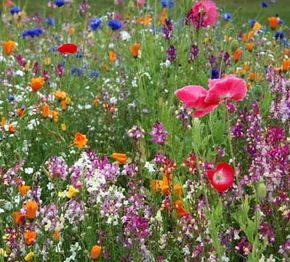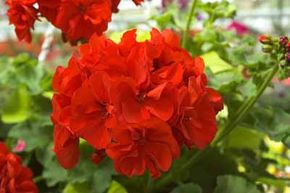
Annuals are garden mainstays, prized for their abundant flowers. When you plant annuals, you know you'll have bursts of color all summer long. In this article, learn about container annuals, annuals for cutting, annuals for fragrance, heirloom annuals, self-sown annuals, and edible annuals.
Annuals are plants that grow fast, so they have many practical uses in and out of the garden. Annuals can be used to fill gardens that will later be used for perennial borders when the budget permits or the plants have multiplied enough to fill the space. Because annuals stay in bloom for several months at a time, they are used for constancy in gardens where other plants come in and go out of bloom. This is why they are so often an important element in decorative containers and flowerbeds where high impact is wanted. There are annuals that evoke different styles and historical eras, used in theme gardens.
Advertisement
Some annuals are less showy but great for fragrance. Nasturtiums and violas are edible, so they are used as colorful garnishes for food. Annual grasses and strawflowers are used in bouquets, fresh or dried. Containers of living annuals, small or large, can be used for many decorative purposes, with the small ones serving as table centerpieces or take-home gifts for guests.
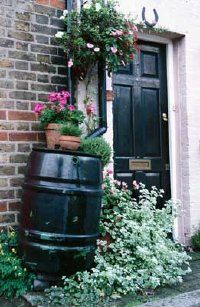
If you're short on garden space or have a deck you'd like to adorn with flowers and greenery, container gardening might be the answer. On the next page, learn about growing annuals in a container garden.
Advertisement