Countertop-Cleaning Tips
Kitchen countertops have to be able to handle anything, from a paring knife that goes off course to a slosh of grape juice. Acrylic, ceramic tile, cultured marble, marble, and plastic laminate countertops can take the abuse of cooking if we make it up to them with regular cleaning and care. These surfaces are all easy to clean.Acrylic
You have to go out of your way to harm an acrylic countertop. A very hot pan will leave a permanent burn mark on the surface, but scouring powder or steel wool will remove stains and scratches. For routine cleaning, use a mild abrasive cleanser applied directly to the wet surface. Rinse well and buff with a soft cloth.
Ceramic Tile
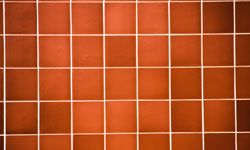
Glazed and unglazed ceramic tile are used for kitchen countertops. Unlike most other kitchen surfaces, ceramic-tile counters can take the heat from hot pots and pans. Ceramic tile is extremely durable, but the grout between the tiles is soft, porous, and prone to cracks.
- Use a toothbrush or nailbrush to scrub grout clean. To remove mildew, dip the brush in laundry bleach.
- When you clean grout, don't use harsh abrasive cleaners, which might scratch the glaze on ceramic tile.
- Many foam and spray tile-and-grout cleaners are available. Follow the manufacturer's instructions, and rinse with clear water to finish the job. Caution: Wear rubber gloves, and do not breathe the mist from spray cleaners.
Cultured marble is an acrylic material that resembles real marble, but is easier to care for because it is less porous and does not have to be sealed. Avoid abrasive cleaners and steel-wool soap pads; they will scratch the surface. Mild abrasive cleansers should be applied directly to the wet surface. Rinse well and buff with a soft cloth. Note that hot pots will leave permanent burn marks on cultured marble.
Marble
Marble countertops are porous and susceptible to stains, but they are not affected by heat. Seal marble with a special stone sealer to reduce its porosity, and wipe up wine, fruit juice, and other acidic food spills immediately to prevent permanent surface etching. Abrasive and caustic cleaners will mar the surface of marble, and oil polish and soft waxes may discolor it. While many appropriate commercial cleaners are available, borax rubbed into the surface with a moistened cloth will also clean marble. Rinse with warm water, and buff with a soft cloth.
Plastic Laminate
Most kitchens have plastic laminate countertops. They're practically seamless, giving cooks a smooth, waterproof work surface that is easy to clean. Unfortunately, plastic laminate burns, scratches, and stains fairly easily, so you'll have to be considerate of your countertops to keep them looking good.
- Regular applications of appliance wax or light furniture wax will help laminate surfaces resist stains and scratching.
- Never use abrasive cleansers or steel wool on laminate countertops.
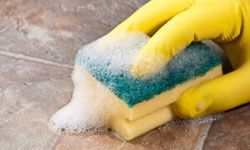
- For general cleaning, a two-sided scrubbing pad with fiber on one side and a sponge on the other works particularly well. Moistened slightly with water, the fiber side is just abrasive enough to loosen greasy smears and other soil.
Always use a cutting board on a wood countertop. Wipe up stains, and keep your wood countertops as dry as you possibly can. Periodically, rub oil into wood countertops to protect them from moisture. Use boiled linseed oil or salad oil.
- Remove stains with a solution of 1⁄4 cup chlorine bleach in 1 quart warm water. Rinse, dry, and coat with oil.
- To get rid of odors that are absorbed by wood countertops, rub the surface with a slice of lemon.
- To clean wood countertops, mix 1⁄2 cup baking soda in 1 quart warm water. Rub the paste into the wood using a synthetic scouring pad. Rinse well, and blot up excess moisture. When dry, restore the finish by using boiled linseed oil or salad oil rubbed in with a fine steel-wool pad. Treat the countertop with two coats of oil, applied 24 hours apart, blotting up the excess after each application.
A Homemade Countertop Cleaner This mixture will quickly and inexpensively remove dirt and soap film from acrylic, ceramic tile, cultured marble, and plastic laminate countertops:
- Mix 1⁄2 cup vinegar, 1 cup ammonia, and 1⁄4 cup baking soda in 1 gallon hot water. Caution: Wear rubber gloves, and work in a well-ventilated area when using this powerful solution.
- Apply it to the countertop with a sponge, rinse with clear water, and buff.