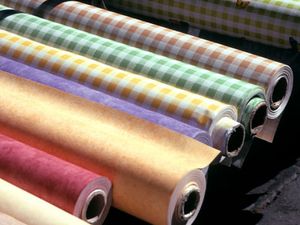
There are about 12.8 million acres of conventional cotton grown in the United States with about four pounds of cotton produced per acre. Fifty-five million pounds of pesticides were sprayed on those 12.8 million acres, ranking cotton third behind corn and soybeans in pesticide dependence. Worldwide, cotton is also a pesticide-heavy crop, using approximately 25 percent of the world's insecticides and 10 percent of the world's pesticides. In comparison, there were approximately 6,500 acres of certified organic cotton planted in the United States in 2005. Wool production also requires high levels of insecticides and antibiotics to protect animals from pests and disease [source: OTA].
Synthetic and chemical pesticides and fertilizers are associated with some sobering statistics.The Environmental Protection Agency (EPA) considers seven of the top 15 pesticides used on cotton in the United States as "possible," "likely," "probable," or "known" to cause cancer in humans [source: EPA].
Pesticides have been shown to cause a range of health concerns in humans, ranging from headaches, fatigue, nausea, asthma, cancers, neurological disorders and birth defects. The United States Agency for Toxic Substances and Disease Registry reports that children exposed to methyl parathion, an insecticide, suffer memory loss and emotional swings. The World Health Organization estimates that pesticides poison at least three million people every year, with 200,000 people dying from pesticide poisoning annually [source: PANNA].
Organic agricultural methods help minimize our exposure to toxins like pesticides and insecticides. Organic farming also uses 50 percent less energy than conventional farming [source: Rodale Institute]. However, organic and sustainable clothing are not problem-free.
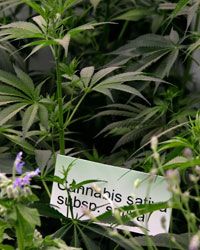
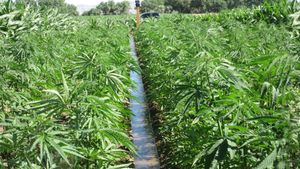
Hemp, because of its association with the recreational drug marijuana, has a tricky reputation to overcome. Although the plants grown for fiber are of a different variety than the drug, the politics of hemp has made it illegal to grow the plant in the United States. It is harvested successfully throughout Europe, Russia, China and Canada.
The high demand for bamboo can lead to deforestation to make room for plantations. Bamboo harvesting and processing are often unregulated. Sustainable materials made from soy and Tencel consume large amounts of energy during production.
Washing cotton clothing also requires a large amount of energy. Cotton fabric usually requires more frequent cleaning than other fabrics. A study at Cambridge University found that 60 percent of the emissions generated by a single cotton T-shirt could come from the multiple washes and tumble dryings it would require [source: Cambridge University].
To learn more about organic clothing and organic farming, look over the links on the next page.