How to Remove Lacquer and Varnish Stains From:
Acetate, Fiberglass, Rayon, Silk,
Triacetate, Wool
Scrape (the method of using a dull tool to gently lift off excess solid or caked-on stains) to remove excess. Apply a dry spotter to the stain and cover with an absorbent pad moistened with dry spotter. Let it stand as long as any stain is being removed. Keep the pad and stain moist. Flush (the method of applying stain remover to loosen staining material and residue from stain removers) with a dry-cleaning solvent and allow to dry.
To make a dry spotter, combine 1 part coconut oil (available at pharmacies and health food stores) and 8 parts liquid dry-cleaning solvent. This solution may be stored if the container is tightly capped to prevent evaporation of the solvent. Mineral oil may be substituted for the coconut oil, but is not quite as effective. Caution: Dry-cleaning solvents are poisonous and may be flammable. Wet spotter: To prepare a wet spotter, mix 1 part glycerine, 1 part white dishwashing detergent, and 8 parts water. Shake well before each use. Store wet spotter in a plastic squeeze bottle. |
Acrylic Fabric, Burlap, Cotton, Linen, Modacrylic,
Nylon, Olefin, Polyester, Rope, Spandex
Scrape to remove any excess lacquer immediately. Flush acetone through the stain to an absorbent pad underneath. When no more stain is being removed, change pads and flush well with a dry-cleaning solvent such as Afta Cleaning Fluid. Allow to dry thoroughly.
How to Remove Lacquer and Varnish Stains From:
Acrylic Plastic, Asphalt, Cork, Linoleum, Plexiglas,
Polyurethane, Vinyl Clothing,
Vinyl Tile, Vinyl Wallcovering
Lacquer can quickly damage or ruin these surfaces, so act immediately. Scrape to remove any excess with a dull knife. Dab the area with a cloth dipped in amyl acetate. Rinse. Note: This stain may be permanent.
How to Remove Lacquer and Varnish Stains From:
Alabaster, Marble
Wipe up the excess immediately. Wipe the area with a cloth dampened with acetone. Rinse with a damp cloth and wipe dry. If any stain remains, make a poultice of water, 3% hydrogen peroxide, and a mild powder detergent. Apply the poultice to the stain and cover with a damp cloth to retard evaporation. When the stain has been bleached out, rinse thoroughly with water and wipe dry.
How to Remove Lacquer and Varnish Stains From:
Aluminum, lron, Stainless Steel, Tin
Wipe excess immediately. To remove any discoloration, wash with a steel wool soap pad. Rinse thoroughly and wipe dry.
How to Remove Lacquer and Varnish Stains From:
Bamboo, Cane
Remove the excess and wipe the area with a cloth dipped in mild pure soapsuds to which a little ammonia has been added. If any stain remains, try dipping the edge of a clean cloth into acetone and gently dab at the stain -- be careful not to force any staining material into the surface. Note: If not treated immediately, this could become a permanent stain.
How to Remove Lacquer and Varnish Stains From:
Bluestone, Brick, Concrete, Flagstone, Granite,
Limestone, Masonry Tile, Sandstone, Slate, Terrazzo
Remove the excess as soon as possible. With a cloth dipped in acetone, dab at the remaining stain until no more is picked up. Wash the area with a soft-bristled brush, using a solution of washing soda or detergent (not soap) and water. Rinse with clear water and allow to dry.
How to Remove Lacquer and Varnish Stains From:
Carpet (synthetic or wool)
Scrape as much of the excess as you can without forcing the lacquer deeper into the fiber. Apply amyl acetate to the stain and cover with an absorbent pad dampened with amyl acetate. Keep moist and let stand for about 15 minutes, blotting occasionally. Scrape to help loosen the stain.
How to Remove Lacquer and Varnish Stains From:
Ceramic Glass/Tile, Enamel,
Glass, Porcelain Fixtures
Wipe up excess lacquer as soon as possible. Wash with a cloth dipped in a solution of washing soda, water, and a few drops of ammonia. Rinse well and wipe dry. Hardened lacquer can sometimes be carefully scrape with a razor blade on all surfaces except porcelain.
How to Remove Lacquer and Varnish Stains From:
Grout
Wipe up as much excess as possible. Dip a wet toothbrush into a little baking soda or powdered cleanser and scrub gently. Rinse well with clear water and wipe dry.
How to Remove Lacquer and Varnish Stains From:
Leather, Suede
Carefully scrape to remove excess lacquer. Mix a solution of mild soap in lukewarm water. Swish to create a great volume of suds. Apply only the foam with a sponge. Dry with a clean cloth. If the lacquer has hardened, gently rub it with an emery board or a piece of fine sandpaper. As a thin layer of the hide will also be removed, work slowly and lightly.
How to Remove Lacquer and Varnish Stains From:
Paint (flat or gloss)
Wipe away the excess, being careful not to spread the lacquer. Wipe the stain with a cloth dipped in 1 pint warm water mixed with 1 tablespoon borax. Rinse with clear water and dry thoroughly.
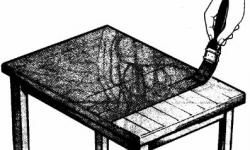
These stain removal techniques will help you vanish varnish stains and lacquer stains from where they don't belong.
©Publications International, Ltd.