
In Russian sage vs. lavender comparisons, gardeners often wonder which plant is best for color, fragrance, and low-maintenance appeal.
While they may look similar in bloom, these two plants differ in origin, growing habits, and uses.
Advertisement
In Russian sage vs. lavender comparisons, gardeners often wonder which plant is best for color, fragrance, and low-maintenance appeal.
While they may look similar in bloom, these two plants differ in origin, growing habits, and uses.
Advertisement
Russian sage (Salvia yangii, formerly Perovskia atriplicifolia) is native to Central Asia and was discovered by a Russian botanist (Grigory S. Karelin) in 1840, who named it after a Turkestani official, B. A. Perovski. It’s not a true sage, but rather a hardy perennial in the mint family.
Lavender — especially English, French, and Spanish lavender varieties — hails from the Mediterranean and is a true herb used for culinary and medicinal purposes.
Advertisement
Both plants bloom in shades of purple, but their flowers and foliage differ.
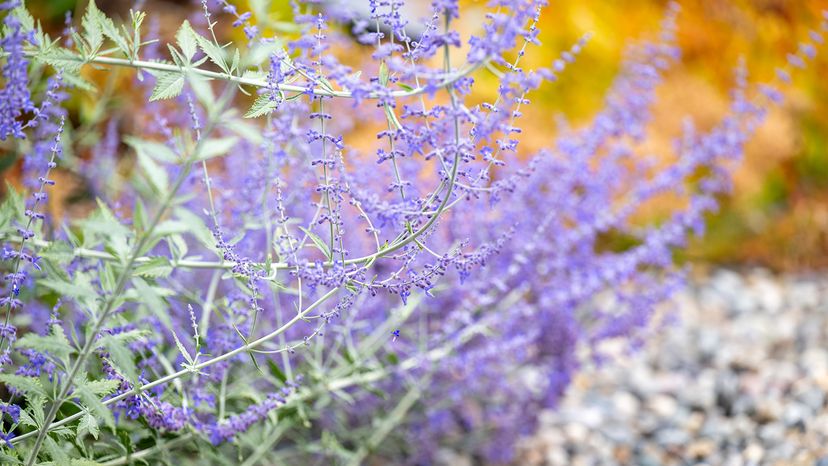
Russian sage blooms from mid summer to early fall with wispy, tall stems that can reach up to 1.5 meters (5 feet). Its lacy blue flowers and silvery foliage give gardens a soft texture.
Advertisement
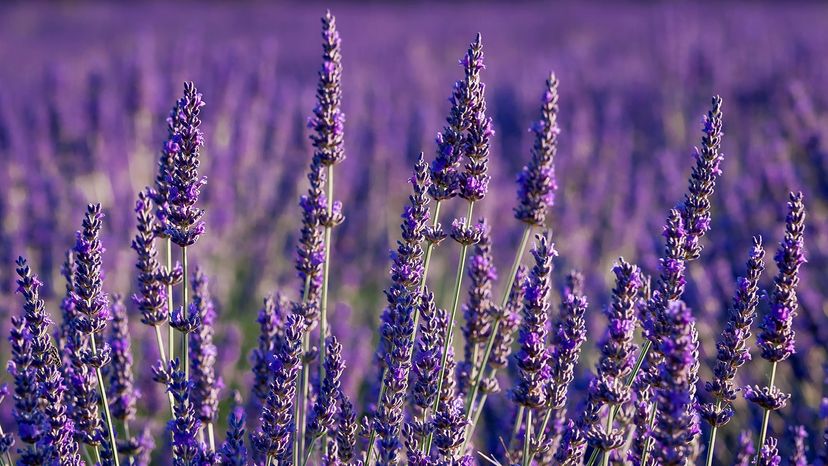
Lavender plants stay shorter, especially dwarf varieties, and bloom from late spring to early summer. Lavender blooms are denser and come with a strong floral aroma. Spanish lavender features unique "rabbit ear" bracts, while French lavenders are more tolerant of heat and humidity.
Advertisement
Both Russian sage and lavender love full sun and well-drained soil. However, Russian sage is more tolerant of poor soils and of slightly more moisture, making it easier to grow in colder zones and USDA zones 4 to 9.
Lavender prefers dry climates and struggles with root rot in heavy or wet soil. Growing lavender successfully requires good drainage, especially in winter. Gardeners in wetter areas often add sand or gravel to improve soil conditions.
Advertisement
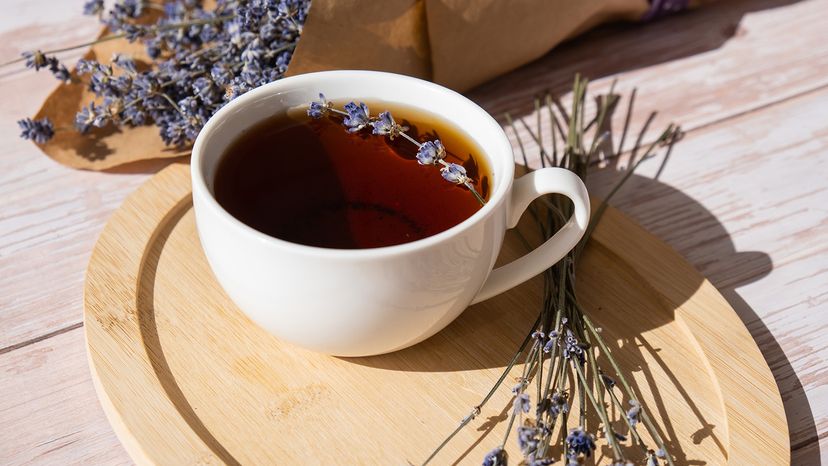
Lavender is widely used in essential oils, aromatherapy, and teas to relieve stress and promote relaxation. Its scent is also a natural insect repellent and attracts butterflies. Lavender grows well near herbs like rosemary and is often planted for its culinary purposes.
Russian sage adds long lasting color to borders and pollinator gardens. While not typically used for medicinal or culinary purposes, its deep root system helps it thrive in drought conditions, and its floral aroma adds visual and sensory interest to gardens.
Advertisement
Prune lavender in early spring to encourage new growth and prevent woody stems. Russian sage should be cut back in early spring as well, especially after new growth appears.
Both perennials require minimal maintenance once established. Many gardeners choose Russian sage for its resilience and lavender for its fragrance and versatility.
Advertisement
We created this article in conjunction with AI technology, then made sure it was fact-checked and edited by a HowStuffWorks editor.
Please copy/paste the following text to properly cite this HowStuffWorks.com article:
Advertisement