
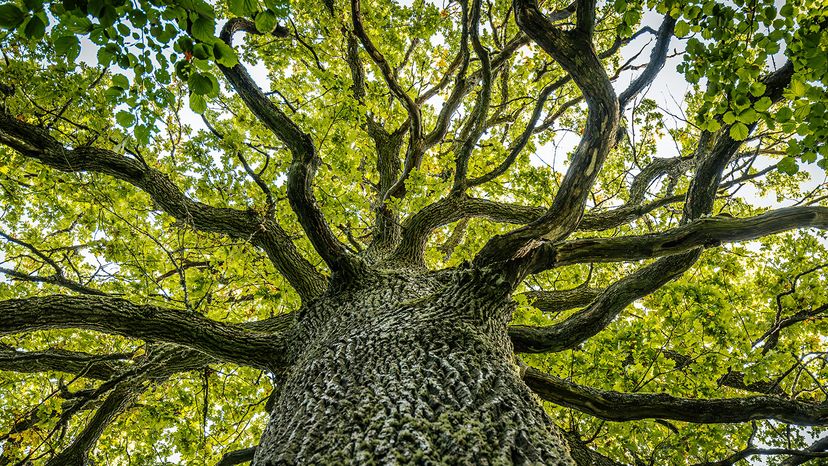
Plants may not walk or talk, but they’re some of the busiest life forms on Earth. From towering trees to tiny mosses, the many different types of plants offer food, shade, oxygen, and color to the world.
Advertisement
Plants may not walk or talk, but they’re some of the busiest life forms on Earth. From towering trees to tiny mosses, the many different types of plants offer food, shade, oxygen, and color to the world.
Advertisement
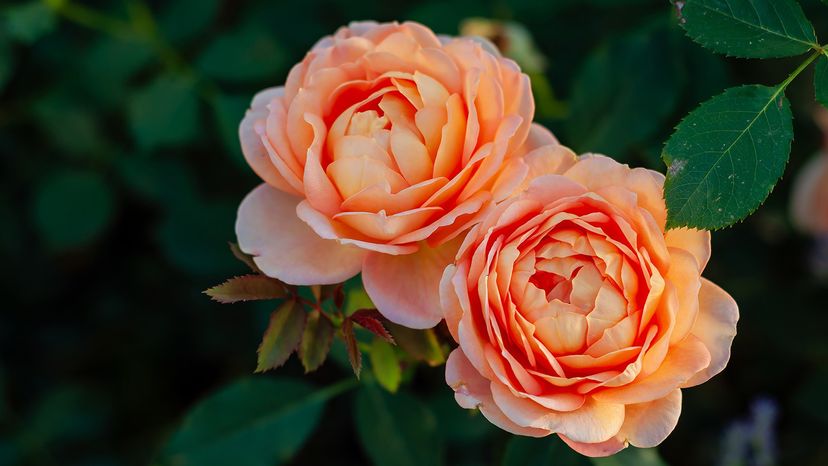
Flowering plants, also called angiosperms, are the show-offs of the plant kingdom. These vascular plants produce gorgeous blooms and often have fragrant flowers to attract pollinators.
From pea plants to sweet potatoes, they make up the largest group of plant species. Most plants in your garden—like roses or runner beans—fall into this category.
Advertisement
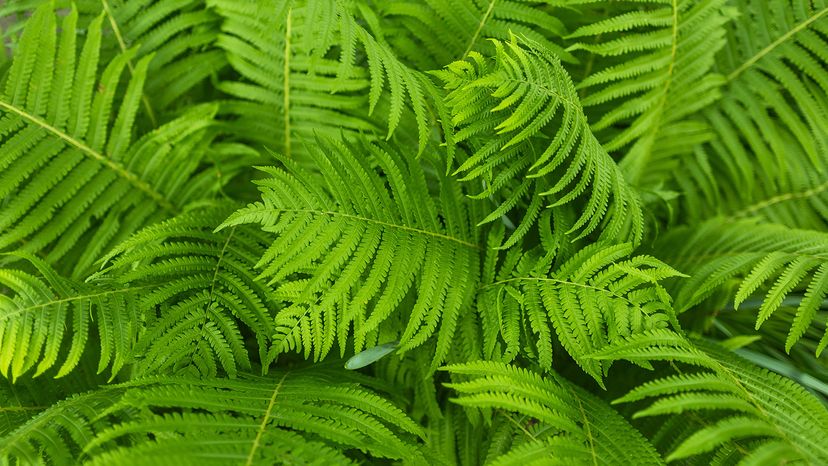
These plants skip the flowers but still manage to thrive. Non-flowering plants include mosses, ferns, and green algae.
Many are nonvascular plants, meaning they don’t have internal tubes to transport water. Instead, they absorb moisture directly from their environment. While they may not have fragrant blooms, they play a vital role in ecosystems.
Advertisement
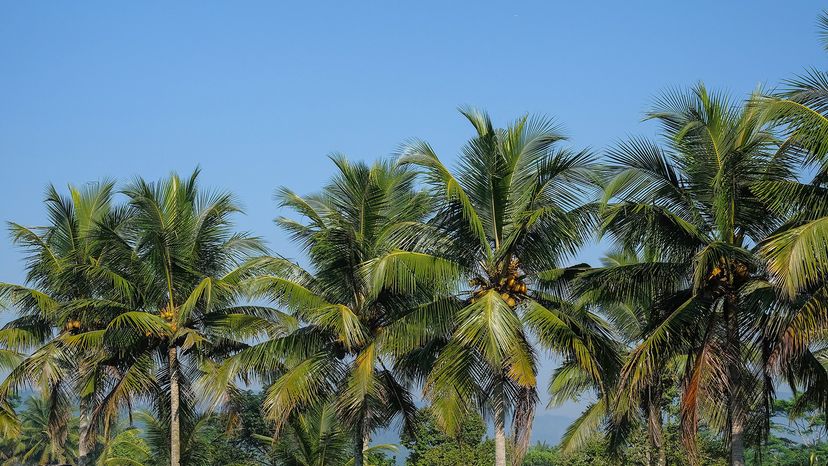
This classification is all about a plant's height and stem thickness.
Advertisement
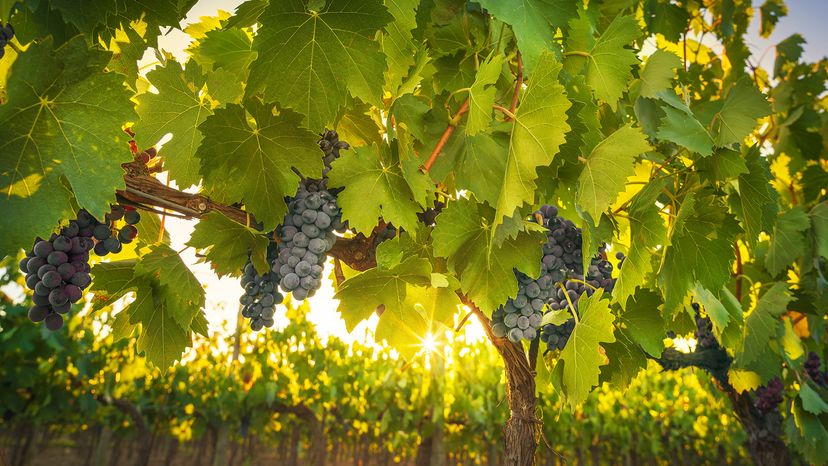
Growth habit matters. Some plants grow vertically using external support, specifically called climbers. They use special structures called tendrils to grip onto things. Money plants and few climbers like grapevines are classic examples.
Creepers, on the other hand, have a weak stem and spread horizontally. These include plants like watermelon and pumpkin.
Advertisement
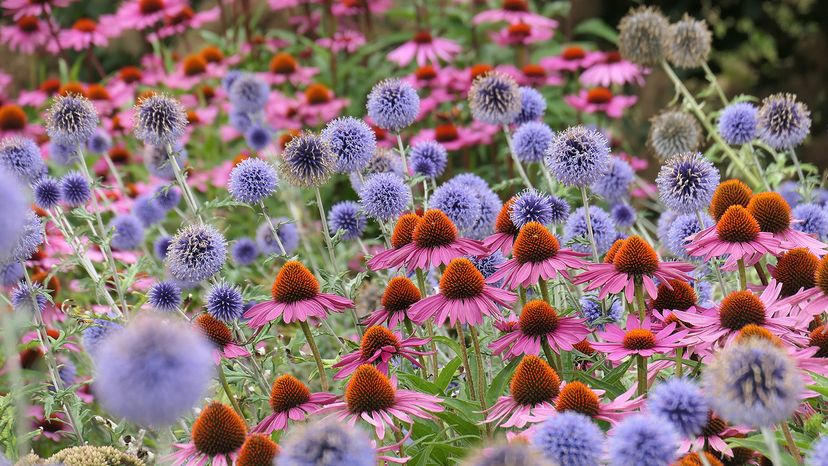
Life cycle tells you how long a plant sticks around. Annuals complete their life cycle in one season, biennial plants in two seasons; perennials live for many years.
Environmental and genetic factors influence a plant’s growth and longevity. Hardy plants like perennials tend to need less upkeep, making them a good choice for a low maintenance garden.
Advertisement
We created this article in conjunction with AI technology, then made sure it was fact-checked and edited by a HowStuffWorks editor.
Please copy/paste the following text to properly cite this HowStuffWorks.com article:
Advertisement