15 Types of Roses (Out of a Whopping 30,000)

By: Elena Tralwyn  | 
roses
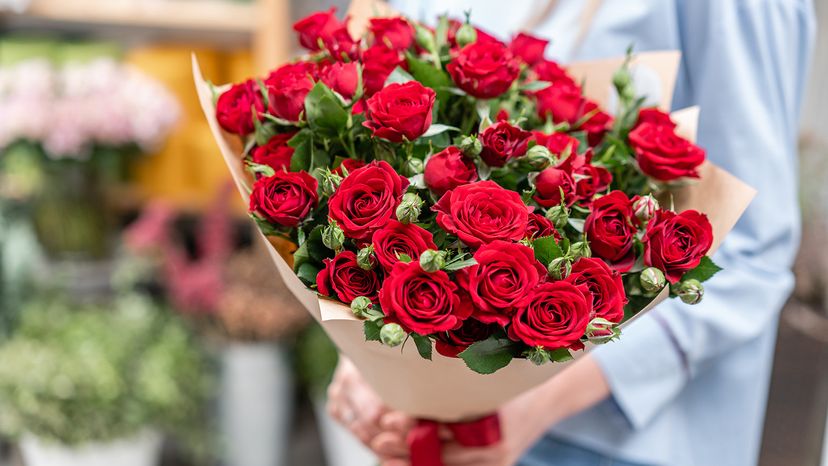
When you ask for a dozen roses, which of the tens of thousands of types are you actually asking for? Fusionstudio / Shutterstock

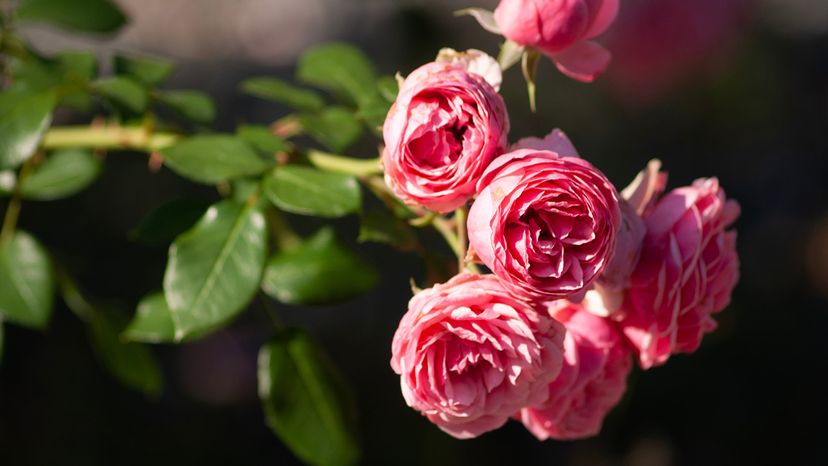
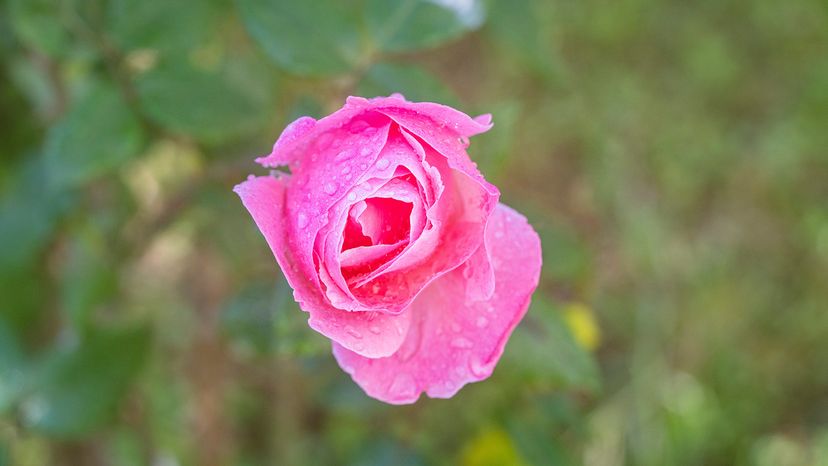
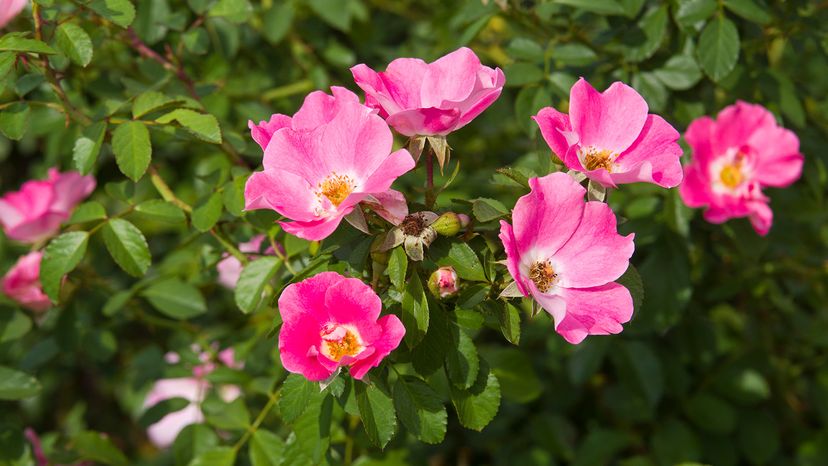
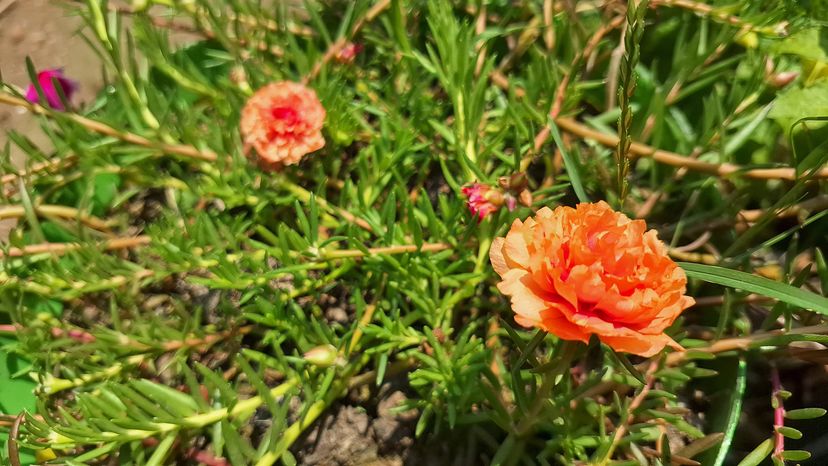
Roses are the divas of the garden world. But just like divas, not all roses are alike. There are more than 30,000 types of roses cultivated across the globe, and each with its own flair, fragrance and flower power.

Whether you're designing a formal rose garden or just want to add some color to your mixed borders, knowing your way around different rose types can help you choose the right plant for the right spot.

Advertisement

Here are 15 kinds of roses that every gardener should know.
1. Hybrid Tea Roses

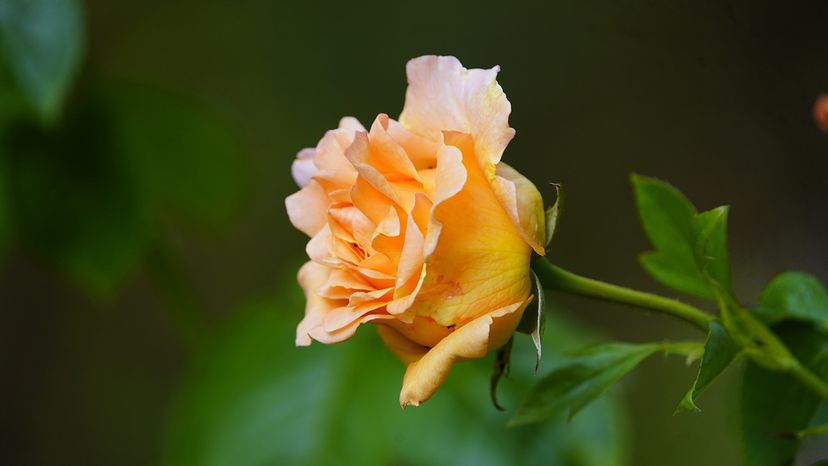
Yellow hybrid tea rose
Yellow hybrid tea rose. guentermanaus / Shutterstock

Hybrid teas are the supermodels of the rose world. They flaunt tall stems, large blooms and that classic rose shape everyone pictures.

These hybrid teas bloom heavily from early summer through fall and often produce fragrant blooms in a wide range of flower colors. They’re ideal for cutting gardens and formal rose beds.

Advertisement

2. Floribunda Roses

Floribunda Roses
Floribunda roses. Solarisys / Shutterstock

Floribundas bring the drama in groups. These roses bloom in dense clusters, making them a showstopper in any rose garden.

With their repeat blooming characteristics and creamy yellow to bright red blossoms, floribundas are perfect for adding color to borders. Their dark green foliage also contrasts beautifully with the flower heads.

Advertisement

3. Grandiflora Roses

Grandiflora Rose
Grandiflora Rose. Ender BAYINDIR / Shutterstock

Think of grandifloras as a hybrid between hybrid tea roses and floribundas. These vigorous plants feature tall stems topped with clusters of large blooms.

Known for their reblooming nature and disease resistance, grandifloras are popular in both cutting gardens and landscape plantings.

Advertisement

4. Shrub Roses

Meidiland roses
Meidiland roses. zzz555zzz / Shutterstock

Many shrub roses, including modern shrub roses and Meidiland roses, are bred for low-maintenance beauty. These bushy varieties have a dense growth habit and are often disease resistant.

Their abundant blooms and repeat bloom make them a favorite for gardeners looking to cover large areas with color.

Advertisement

5. Modern Roses

Grandiflora roses
Grandiflora roses. Muh. Nasyeh / Shutterstock

Modern roses include hybrid teas, floribundas, grandifloras, and some shrub roses. They’re known for their repeat blooming and wide range of bloom colors.

Most modern roses feature glossy green or dark green foliage and are bred for traits like long stems, disease resistance, and continuous flowering.

Advertisement

6. Old Garden Roses

Gallica roses
Gallica roses. Best smile studio / Shutterstock

Old garden roses—such as damask, bourbon, gallica, moss, and portland roses—date back to before 1867. They often bloom once per season but compensate with rich fragrance and intricate bloom shapes. Many have cabbage rose-like blossoms and deep green foliage.

These roses are loved for their historical charm, though contrary to common belief they are not inherently more disease-resistant than modern varieties.

Advertisement

7. Damask Roses

Damask roses
Damask roses. DenisProduction.com / Shutterstock

Damask roses are a type of old rose famed for their fragrant blooms and use in rose oil production. These blooms typically appear in early summer and are favored for ornamental gardens.

Their light pink blossoms and heritage status make them a timeless addition to any collection.

Advertisement

8. Bourbon Roses

Bourbon roses
Bourbon roses. LesiChkalll27 / Shutterstock

Bourbon roses combine the best of old garden and modern roses. They offer repeat bloom and lush flower forms, but Bourbon roses can be susceptible to blackspot and mildew.

Their vigorous growth habit makes them ideal for hedges or mixed borders, especially in climates that support continuous flowering.

Advertisement

9. Portland Roses

Portland roses are compact, bushy and known for repeat bloom and fragrant blossoms. These old roses typically have pink to red flowers and were a stepping stone in the development of hybrid perpetuals, which also bloom heavily and repeat throughout the season.

Advertisement

10. Moss Roses

Moss roses
Moss roses. Muh. Nasyeh / Shutterstock

Moss roses are unique for their fragrant, sticky moss-like covering on buds. These old roses are loved for their ornate flower heads and can thrive as ornamental crops in cooler climates.

While most bloom once, their striking look earns them a place in any heritage rose collection.

11. Species Roses

Wild rose
Wild rose. Sahara Prince / Shutterstock

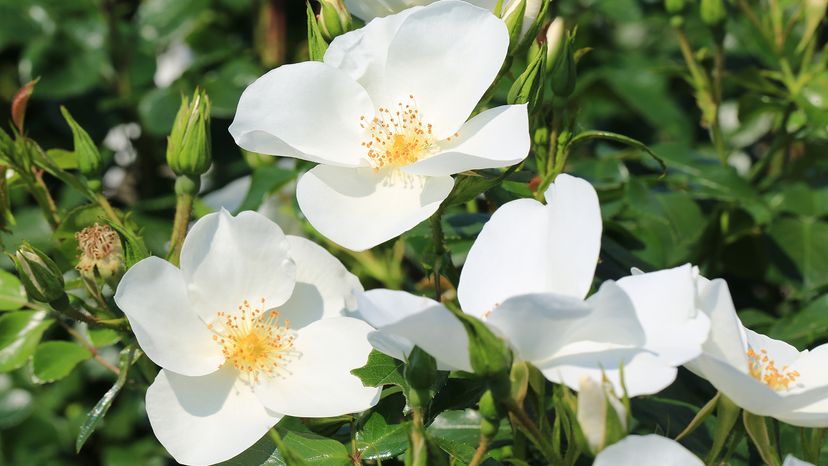
Species roses (aka wild roses) are the original, uncultivated varieties. With simple five-petal blooms and bright red hips, these extremely winter hardy roses support local wildlife. They're ideal for naturalizing and pair well with other landscape plants in a casual setting.

12. Climbing Roses

Climbing roses
Climbing roses. nnattalli / Shutterstock

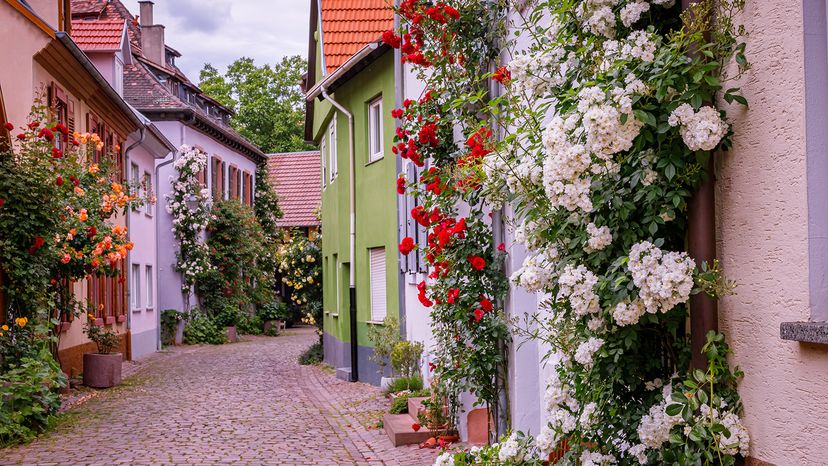
Climbing roses like pillar roses and climbing rose varieties don't actually climb; they need training on structures like trellises or fences. These roses have long, arching canes and can produce a huge flush of rose blossoms. Some varieties even show off bright red hips in fall.

13. Ground Cover Roses

Ground cover roses
Ground cover roses. Traveller70 / Shutterstock

Ground cover or landscape roses are low-growing, spreading varieties that provide season-long color with minimal care. They’re ideal for rock gardens, borders, and sloped areas where you want vigorous plants with disease resistance.

14. Miniature Roses

Miniature roses
Miniature roses. Wirestock Creators / Shutterstock

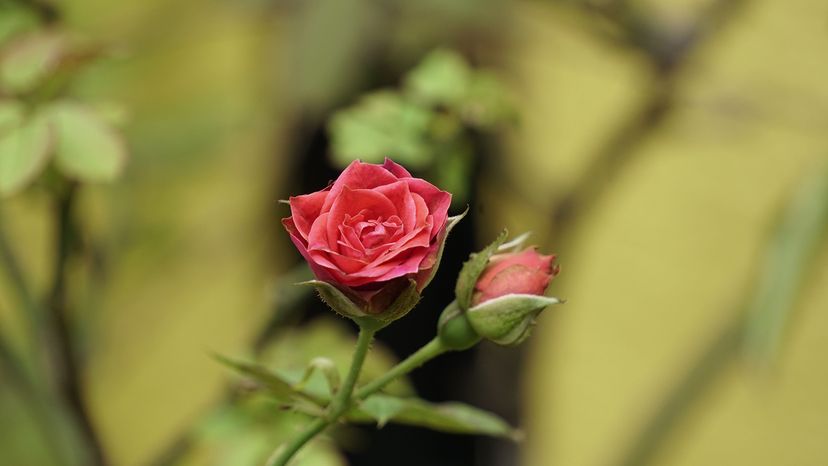
Miniature roses are scaled-down versions of full-sized garden roses. Perfect for containers or small spaces, they feature tiny but complete rose blossoms and bright green foliage.

Despite their size, these plants grow vigorously and can even be overwintered indoors.

15. English Roses (aka David Austin Roses)

David Austin roses
David Austin roses. Manfred Ruckszio / Shutterstock

David Austin roses, often called English roses, combine the repeat blooming of modern roses with the form and fragrance of old garden roses.

These roses were developed to bring back the rich scents and petal-packed forms of historical types while offering modern perks like disease resistance and strong stems.

We created this article in conjunction with AI technology, then made sure it was fact-checked and edited by a HowStuffWorks editor.

Advertisement

Loading...