Read Vacuum and Steam Cleaner Reviews and compare prices at Consumer Guide Products before you buy.
As central vacuum systems have become more popular, options have become more plentiful, with a wide variety of manufacturers and models on the market. There are two main product decisions you will make in the purchase of your central vacuum system: the power unit and the power brush.
The two main types of central vacuum systems are cyclonic and filtered. According to CentralVacuum.com, the type of system plays a major role in the efficiency and longevity of your central vacuum unit. Whenever you have an appliance (like a vacuum) that collects dirt, some sort of filtration system is needed clean out the debris. What makes a system good is its ability to minimize the debris, while maximizing airflow for vacuum power. The build-up of dirt in the bag or filter over time can be a contributing factor to the eventual breakdown of the machine. You will want to clean the system according to the manufacturer's instructions.
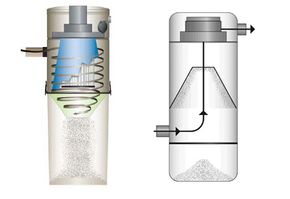
Filtered systems can use a variety of filters such as screen, cloth, foam or paper to clean the air taken in by the vacuum. In any filtered system, filters need to be cleaned and replaced. A cyclonic system uses centrifugal, tornado-like force and gravity to separate the impurities from the air being taken in by the vacuum, and typically deposits the dirt into a canister (although some systems may use a bag).
For the power unit, there are two main things you should consider:
- How much power do you need?
- Do you want a bag or canister unit?
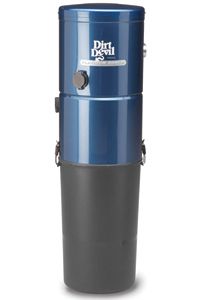
According to CentralVacuum.com, homes of less than 5,000 square feet (465 square meters) require a power unit of 20 amps or less. If you have a larger home, you'll need a more powerful unit.
The other decision you need to make is whether you would like a bag or canister unit. When you go to empty the dirt receptacle, it will be either a plastic canister or a replaceable bag. Both systems are efficient -- it is simply a personal decision. Would you rather dump and clean the canister or toss a replaceable bag into the garbage? Either way, chances are you will be disposing of debris a lot less often than with traditional portable vacuums.
Finally, for the power brush unit, you can decide between an electrical power brush or an air-driven power brush. This is the part of the vacuum that actually will be cleaning the house. The type of power unit you choose probably will depend on personal preference. For instance, air-driven (turbine) systems may cost less to install because you don't need electricity wired into all the wall inlets. The fun part is choosing the vacuum accessories, such as automatic dustpans and upholstery attachments.
Central vacuum systems can be pricey. In fact, they can cost upwards of $1,000. This price usually includes installation, power unit and attachments. At this point, you may be asking yourself why you would choose this type of system over a traditional portable vacuum...