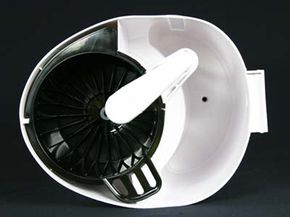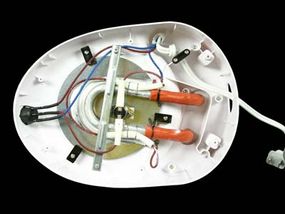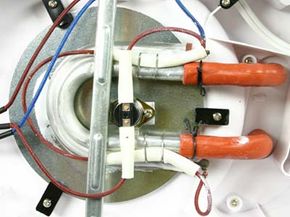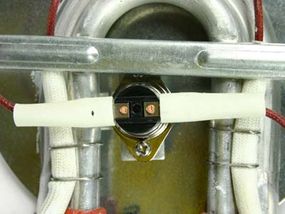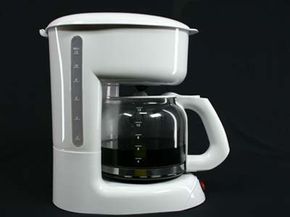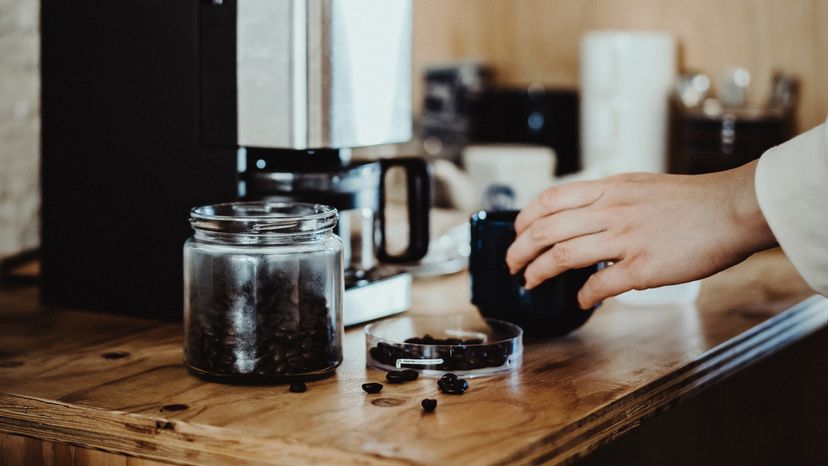
Most people who are dependent on caffeine have breakfast with an old friend -- the coffee maker. Every morning you scoop in the coffee, add some water and flip it on, but have you ever wondered what's happening inside. How does the water get from the reservoir over to the coffee grounds in the filter basket? How does everything heat up so quickly, and what on earth is that gurgling noise?
Advertisement
In this article, we'll look inside a typical drip coffee maker so you can understand exactly what's happening when you make coffee. We'll also look at the possible problems that might cause your coffee maker to stop working. By the end of this article, you may look at your old friend in a completely new way.
Before we get into that, however, let's do a quick coffee rundown. Coffee plants are evergreen tropical shrubs and small trees, and they grow best between the Tropic of Cancer and the Tropic of Capricorn (often referred to in the coffee world as the Bean Belt) which makes sense because the plants enjoy lots of rain and gentle temperatures. Coffee beans as we know them are actually the seeds of the fruit of the coffee plant -- called coffee cherries -- and these popular plants have been cultivated by man for hundreds of years. The two most commonly grown species of coffee plants are Coffee arabica (Arabica coffee) and Coffea canephora (Robusta coffee). For more about details about what's in your morning cup, check out the article How Coffee Works.
There are lots of coffee makers on the market that can arguably make a better pot of Joe, but in this article, we'll be focusing on the trusty drip. If your tastes do run fancier, check out the article How the Clover Coffee Maker Works. On the other hand, if you're gunning for an insider's look at your kitchen's appliance of the year, we'll crack it open and take a peek on the next page.
Advertisement