
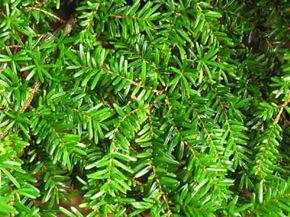
The eastern hemlock tree is native to northeastern North America, where it starts its life as an understory tree. Eventually, it pushes its way up through the broad-leaf trees that surround it until it reaches fall sun. It can reach more than 100 feet in height but is frequently kept pruned to shrub size in culture.
Description of eastern hemlock tree: The eastern hemlock is a gracefully pyramidal evergreen conifer with horizontal to drooping branches. The furrowed bark is brown and the needles are short and soft, not pointed like relatively similar firs and spruce. Some conifer specialists rate it as highly as the eastern white pine for landscape use.
Advertisement
Growing eastern hemlock tree: Hemlocks prefer rich, moist, well-drained soils somewhat on the acid side. They do poorly in dry, windswept locations. Among the few trees that will grow in full shade, they will have a nicer, denser appearance in light shade to full sun. They can be pruned to any size, from low hedges to tall screens. To maintain the tree's naturally lacy effect, do not prune by shearing, but rather by cutting back on overly long branches each year. The plant is extremely susceptible to a foliage pest that has rendered this tree useless as a landscape plant throughout much of its range.
Uses for eastern hemlock tree: This is truly a multipurpose tree, equally useful as a large specimen plant or a low hedge.
Related varieties of eastern hemlock tree: The Sargent hemlock (Tsuga canadensis Pendula) is an attractive, low-growing, weeping form.
Scientific name of eastern hemlock tree: Tsuga canadensis
Advertisement