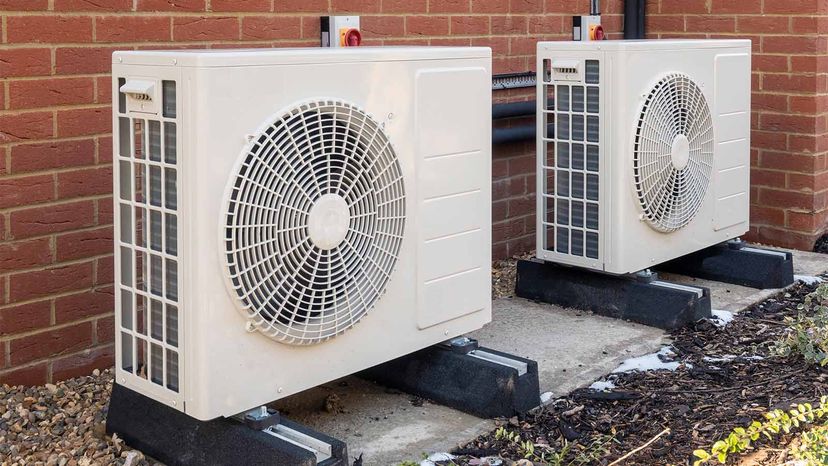
When you think about cooling a hot building, you probably don't think of heat pumps. In fact, you likely think of using an air conditioner. As it turns out, a heat pump can both heat and cool a building — but how does a heat pump work?
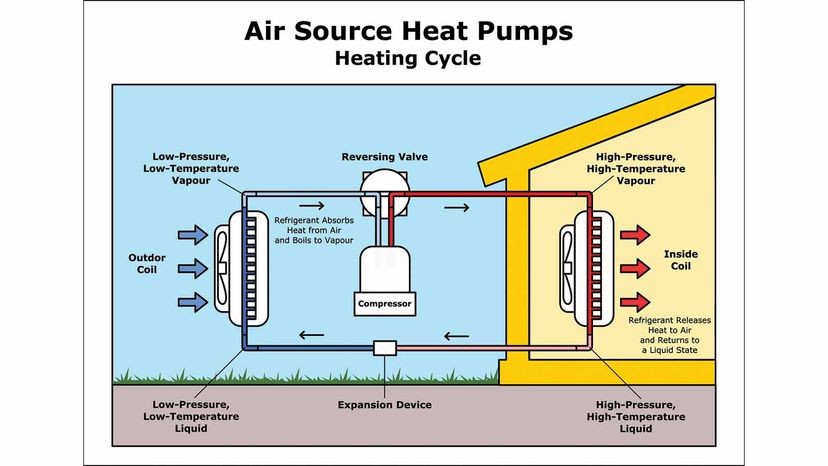
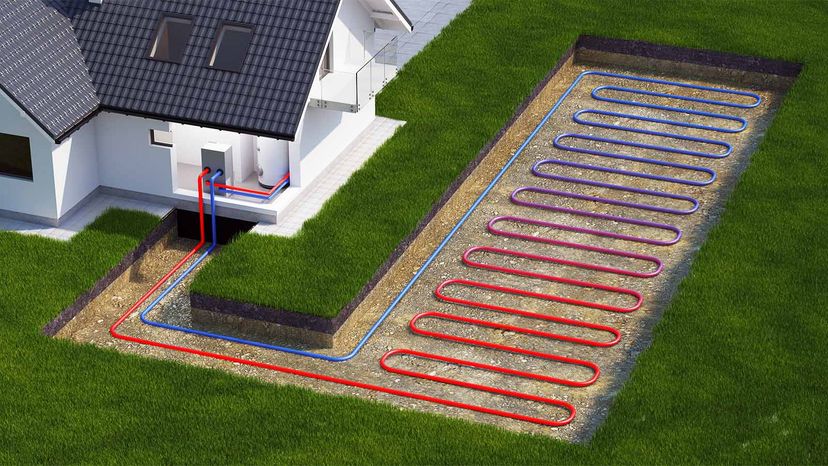
Simply put, a heat pump is a device that uses a small amount of energy to move heat from one location to another. Not too difficult, right? Heat pumps are typically used to pull heat out of the air or ground to heat a home or office building, but they can be reversed to cool a building.
Advertisement
In a way, if you know how an air conditioner works, then you already know a lot about how a heat pump works. That's because heat pumps and air conditioners operate in very similar ways.
One of the biggest advantages of a heat pump over a standard heating, ventilating and air conditioning (HVAC) unit is that there's no need to install separate systems to heat and cool your home. Heat pumps also work extremely efficiently, because they simply transfer heat rather than burn fuel to create it. This makes them a little greener than a gas-burning furnace.
And they don't just heat and cool buildings. They work best in moderate climates, so if you don't experience extreme heat and cold in your neck of the woods, then using a heat pump could help you save a little money each month.
Read on to understand more about how one of the most common types of heat pumps works.
Advertisement