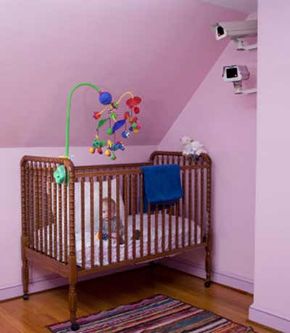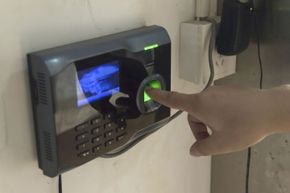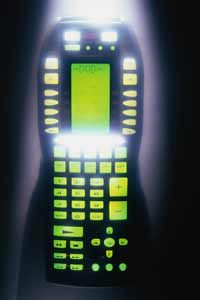
Smart homes sure alleviate a lot of anxiety. Those without them endure an endless barrage of nagging little doubts. Did I turn the coffee maker off? Did I set the security alarm? Are the kids doing their homework or watching television?
With a smart home, you could quiet all of these worries with a quick glance at your smartphone or tablet. You could connect the devices and appliances in your home so they can communicate with each other and with you.
Advertisement
Any smart device in your home that uses electricity can be added to your home network and at your command. Whether you give that command by voice, remote control, tablet or smartphone, the home reacts. Applications include smart lights, smart speakers, smart locks, and smart thermostats.
The idea of a smart home might make you think of George Jetson and his futuristic abode or maybe Bill Gates, who spent more than $60 million building smart home systems [source: New York Magazine]. Once a draw for the tech-savvy or the wealthy, smart technology is incredibly common.
What used to be a quirky industry that churned out hard-to-use and frilly products has matured into a full-blown consumer trend. Instead of start-up companies, more established tech organizations are launching new smart home products.
Much of this is due to the jaw-dropping success of smartphones and tablet computers. These ultra-portable computers are everywhere, and their constant Internet connections means they can be configured to control smart home devices. It's all about the Internet of Things.
The Internet of Things is a phrase that refers to the objects and products that are interconnected and identifiable through digital networks. This web-like sprawl of products is getting bigger and better every day. All of the electronics in your home are fair game for this tech revolution, from your fridge to your furnace.
On the next page, we'll take a look at the technology in a smart home.
Advertisement