Pothos vs. Philodendron: Comparing Low-maintenance Plants

By: Elena Tralwyn  | 
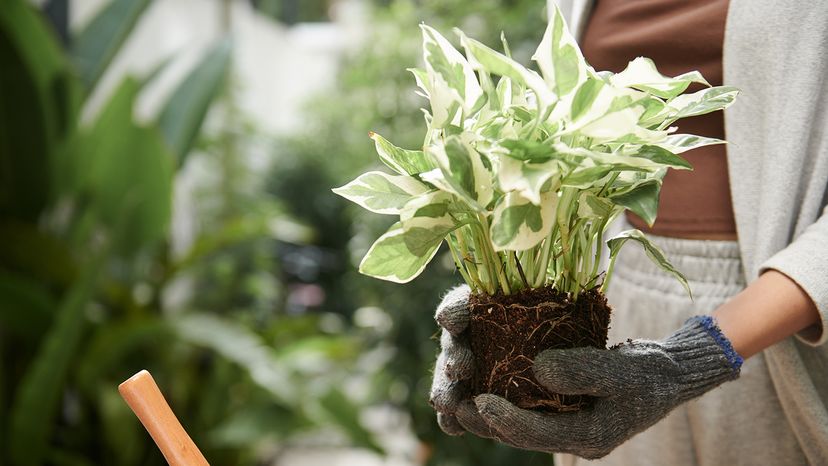
Gardener holding pothos plant
The growing habits of these different plants are very beginner-friendly. Dragon Images / Shutterstock

The untrained eye might fail a pothos vs. philodendron identification challenge. They're both climbing vines with heart-shaped leaves, both common in hanging pots, and both rock stars of the indoor plants world.

But despite their family resemblance, these two plants come from different genera and have a few key differences worth knowing.

Advertisement

What Are Pothos and Philodendron?

Pothos plants belong to the Epipremnum genus, while philodendrons are part of the Philodendron genus. Both these plants hail from the aroid plant family, Araceae. That means they're cousins, not twins.

The most popular pothos variety is golden pothos, also known as devil's ivy, while the best-known philodendron is Philodendron hederaceum, often called heart leaf philodendron.

Advertisement

Pothos leaves are waxy, often variegated with a marbled pattern like that of marble queen pothos. Philodendron leaves tend to be a lighter shade of green and have a softer texture.

If you run your fingers along the foliage, you'll notice that pothos leaves have a bumpy texture and are thicker than philodendron leaves. Some philodendron varieties have lobed or split leaves, but many, like heart-shaped leaves, are similar in form to pothos.

Advertisement

Differences in Leaf and Stem Structure

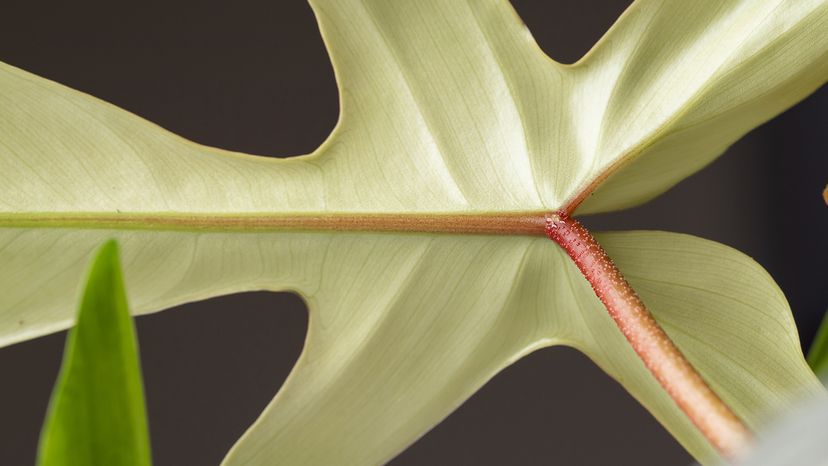
Philodendron with red petiole
There are subtle differences in pothos and philodendron anatomy. umitc / Shutterstock

The petiole, which is the stalk that connects the leaf to the main stem, is a key giveaway. A pothos petiole has a ridge where the leaf meets the stem and is typically uniform in color.

In contrast, a philodendron petiole is rounder and may feature an opaque sheath (called a cataphyll) that helps protect new leaves. This sheath will eventually dry out and fall off.

Advertisement

Look closely at new growth: A new pothos leaf will unfurl directly from the vine, while a philodendron produces new leaves that emerge from within a cataphyll. These structural cues are subtle but help tell the two plants apart.

Pothos plants usually have fewer new growth points per stem, while philodendrons can send out multiple shoots. In both plants, observing where the leaf meets the stem and checking for a cataphyll can clarify identification.

Advertisement

Root Systems and Aerial Roots

A major pothos vs philodendron clue lies in their aerial roots. Pothos aerial roots are thick nubs—usually one per node—and serve to anchor the vine. Philodendron aerial roots are thinner and may appear in groups from a single node, forming a more fibrous root system.

These aerial roots also assist both in climbing and in absorbing moisture from the air.

Advertisement

Pothos plants often display a more straightforward root system, while philodendrons produce more complex roots. Both root systems support hanging baskets or climbing poles and benefit from light pruning. Observing aerial roots is one of the fastest ways to distinguish these two plants.

Growth Habits and Environmental Needs

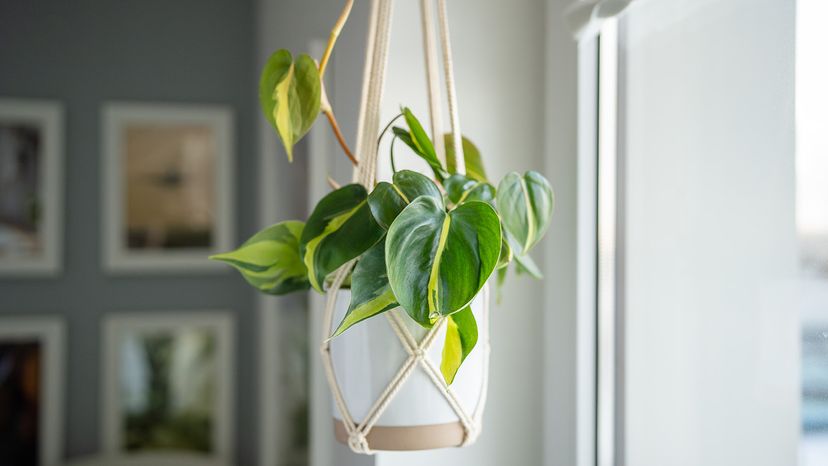
Philodendron in a hanging po
The philodendron plant is an excellent option for someone who thinks they have a black thumb. DimaBerlin / Shutterstock

Pothos and philodendron are both popular houseplants because they adapt well to a range of indoor environments. They thrive in indirect light and prefer warm temperatures and high humidity.

While they’re drought tolerant, overwatering can lead to root rot—especially in poorly draining soil. Monitoring the soil moisture level is essential for avoiding this common issue.

Advertisement

Pothos tend to grow slightly faster than philodendrons, but philodendrons can often tolerate low-light conditions just as well as—or even better than—pothos.

Philodendrons may need more consistent care but reward you with lush, sculptural foliage. Their vine-like structure makes both ideal for hanging baskets or climbing arrangements.

These indoor plants also benefit from occasional misting and fertilizer during the growing season. If you see new leaves frequently, your plant is thriving.

Advertisement

Comparing Pothos Varieties and Philodendron Types

There’s a wide range of pothos varieties to explore, including jade pothos, neon pothos, and variegated pothos like marble queen. These plants often display dramatic patterns and waxy, vibrant foliage.

Pothos plants are especially suited for spots with medium to low indirect light and are a go-to for beginner plant parents. Popular forms include hanging pot arrangements and moss pole-supported displays.

Advertisement

Philodendron varieties are just as diverse. From the trailing philodendron hederaceum to upright types like philodendron selloum, these plants offer a range of leaf shapes, colors, and sizes. Some, like the heart leaf philodendron, feature the classic silhouette seen in many homes, while others show off deeply lobed or massive foliage.

The philodendron genus includes hundreds of species and cultivars, making it a favorite among plant collectors.

Advertisement

Leaf Differences and Foliage Traits

Leaf differences are one of the best ways to tell these plants apart. A pothos leaf tends to be more elongated, with a defined midrib and waxy surface. Philodendron leaves are often broader, with a softer feel and less pronounced veining.

New leaves on a pothos unfurl quickly, while those on a philodendron develop more gradually within the cataphyll. Both foliage types contribute to their charm as low-maintenance houseplants.

Advertisement

The way the leaf meets the petiole also differs. Pothos petioles usually form a clean junction with the leaf blade, while philodendron petioles curve slightly and may have a slight groove.

These features are subtle but noticeable once you know to look for them. Also, look for signs of new growth along the main stem, as philodendrons tend to push out foliage more frequently.

Advertisement

Choosing the Right Plant for Your Space

Picking the right plant (pothos or philodendron) depends on your preferences and conditions. Both these plants thrive with proper care, and both are excellent choices for beginner plant parents.

If you're drawn to thick, waxy leaves and want a plant that’s a bit more drought tolerant, pothos is a solid pick. If you prefer a plant with softer foliage and a distinct vine structure, philodendron could be a better fit.

Advertisement

Whether you’re aiming for a dramatic vine cascading from a shelf or want a lush, sculptural addition to your workspace, both pothos and philodendron deliver. Their slight differences—like how the leaf meets the petiole or the form of the aerial roots—might not matter at first glance, but understanding them helps you better care for your green companions.

Observing leaf differences, growth habits, and the development of new leaves will make it easier to identify and nurture each plant.

We created this article in conjunction with AI technology, then made sure it was fact-checked and edited by a HowStuffWorks editor.

Advertisement

Advertisement

Loading...