When you think of a metal roof, you might have an image of a dilapidated old lean-to with a corrugated tin roof. Today's metal roofs, however, are a far cry from that image.
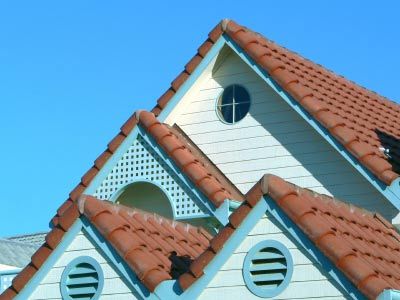
Today roofs are usually made of an asphalt/fiberglass combination or wood shingles. Some small, flat roofs are done with tar, while rubber is quickly becoming another easy roofing option. As people aim to live "greener" and find materials that require less maintenance and upkeep, new trends are emerging in the roofing industry. Though metal roofs can be expensive and require professional installation, they're becoming a popular roofing material choice because of their longevity. Aluminum and steel are the most common metals used for roofing, but you might even be able to get a copper roof. Either way, you certainly won't be stuck with corrugated tin -- today's metal roofing materials can be formed to look like many other more traditional roofing materials, from Spanish tiles to slate [source: Vandervort].
Advertisement
Metal roofs are also becoming increasingly popular because of their fire-resistance. They're also lightweight and reflect the sun, which can help lower summer cooling bills -- a nice added bonus. And although metal roofs often require professional installation, they're still easier and quicker to install than traditional roofs [source: Vandervort]. One drawback, though -- metal roofs are supposed to be long-lasting, but if you do have to make any modifications or repairs, it can be more difficult than it is with traditional roofing materials.
In this article we'll explain metal roofing materials, as well roofing underlayment materials. Grab your hard hat and read on to find out about the five main types of materials used in metal roofing.
Advertisement