Key Takeaways
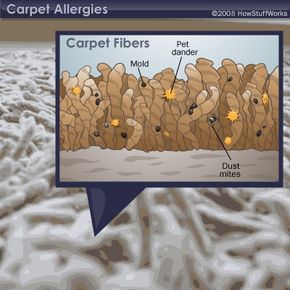
- Carpets can harbor allergens like dust mites, pet dander and mold spores, which are common triggers for indoor allergies.
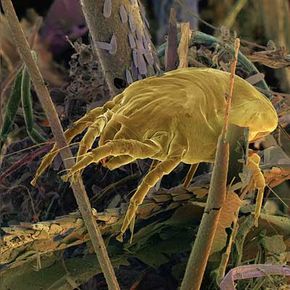
- Dust mites produce waste that is highly allergenic and difficult to remove through regular cleaning, affecting millions of Americans.
- Other allergens such as pollen and outdoor dust are also brought indoors and trapped by carpet fibers, exacerbating allergy symptoms.
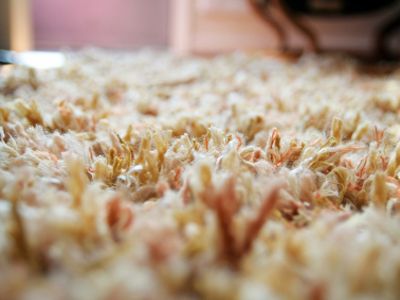
Every day, when you get home from work, you shed your shoes and jacket, and plop down next to the TV on your comfy shag carpet. Before you can exhale the stresses of the day, you go into a sneezing frenzy. Come to think of it, whenever the couple across the street comes over for dinner, your buddy joins you in a coughing fit while his wife looks bewildered at the two of you. What's going on?
The culprit is most likely right under your nose. Or your feet. Carpet is a virtual magnet for allergens like dust mites, pet dander, mold spores and other potentially aggravating proteins. Allergens are antigens, typically proteins, that provoke allergic reactions like coughing and sneezing in people with hypersensitive immune systems. Allergies can be triggered by many things found in your home such as carpet, which may contain 100 times more allergens than hard floors [source: e-healthy-homes].
Advertisement
The Carpet and Rug Institute (CRI) defends its product, claiming that carpet fibers actually trap allergy-provoking substances like dust and pollen and prevent them from circulating in the air where you're more likely to encounter them. While this may be true for those of us blessed with more tolerant immune systems, medical professionals often advise people with severe allergies to remove wall-to-wall carpeting.
The Asthma and Allergy Foundation of America agrees with the CRI: There are indeed more allergens on surfaces than in the air, but, the organization adds, the slightest movement can disturb them. That means that whenever you sit on that shag carpet, you're sending all those allergens airborne where they can circulate for several hours [source: Asthma and Allergy Foundation of America].
Allergens trapped in carpet are especially troubling for families with small children. Children's immune systems are more sensitive to foreign substances like the ones found in carpet, and they spend a lot of their time closer to the ground. So while a 6-foot-9-inch (2.1 meter) basketball player might not worry that 1 square meter (11 square feet) of carpet can average 67 grams (2 ounces) of dust, your crawling child might object. In fact, an infant could end up swallowing 10 grams (0.4 ounces) of that dust daily [source: Green Guide]. That's approximately three saltine crackers worth. Yuck.
Find out what's behind all the sneezing next.
Advertisement