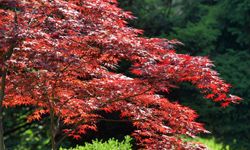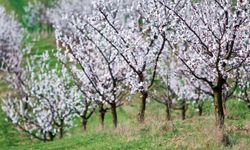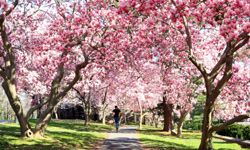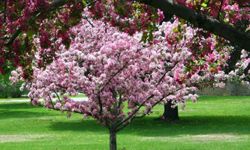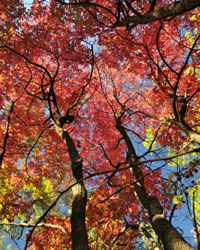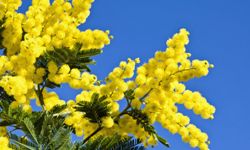
There's a lot to be said for small trees. You can plant them in small yards without fear they'll take over your lot or your neighbors'. Falling leaves won't take you a whole weekend to sweep up. Roots won't lift up the sidewalk. And you can plant more than one in your average-size yard.
The Arbor Day Foundation describes a small tree as up to 30 feet (9 meters) high, while a medium tree (such as blue spruce or white oak) is 30 to 70 feet (9 to 21 meters), and large trees (such as redwood or Ponderosa pine), are more than 70 feet (21 meters) high [source: Arbor Day Foundation].
Advertisement
If you're looking for a focal point in a garden, some definition to a patio or deck or want to create year-round interest with several specimens, consider the following selections.