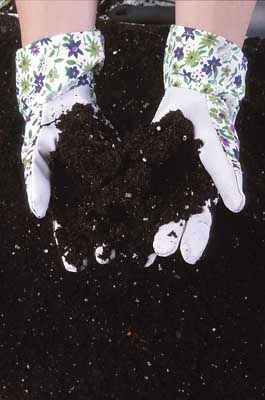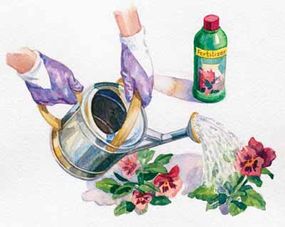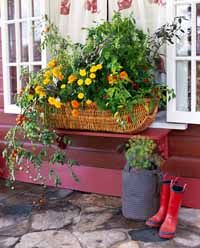
Garden soil needs to be the right texture and full of nutrients in order to support healthy, happy plants. You need a good mixture of sand, silt, clay, and organic material to create the perfect soil. Most gardeners will need to do some work on their soil before it is in top condition.
Famous Gardens Image Gallery
Advertisement
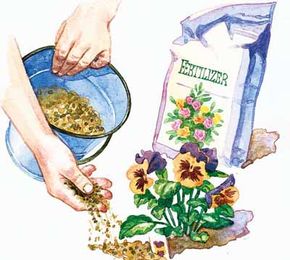
If you don't have the loose, dark earth of those fabulous gardens you've seen on television and in magazines, don't despair. It can be created by improving your existing soil for fertility and good drainage. Soils can be amended with sand to make them looser and drier or with clay to make them moister and firmer. They can be given plentiful doses of organic material -- old leaves, ground-up twigs, livestock manure, and old lawn clippings, plus appropriate fertilizer. Organic matter improves and nourishes any kind of soil, which, in turn, encourages better plant growth. Some soils are naturally pretty good, but others may need significant improvement if they are to support a beautiful garden.
Your soil texture checkup has shown the percentage of sand, silt, and clay in your soil, a good starting point for improving it. But you should also have your soil tested before you start adding fertilizers and amendments to it. This is in keeping with the old adage, "If it ain't broke, don't fix it." Sometimes unnecessary tampering with nutrients or soil acidity can actually create more problems than benefits.
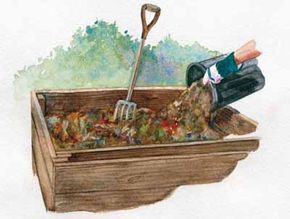
Garden soil tests can give you a clear picture of what your soil needs to succeed, such as the acidity level and how to balance it for the benefit of your plants. In this article, you'll learn about ways to improve the quality of your soil through the use of mulch, compost (which may require you to build your own compost pile), and several different types of fertilizer. You'll also learn about the unique properties of soil used for container gardening. Keep reading to begin the process of testing your garden soil.
Looking for more information about gardening? Try these:
- How to Start a Garden: Find out how to get your garden started.
- Garden Soil Tips: Learn everything you need to know about your garden's soil.
- Vegetable Garden Soil: Learn how to prepare, test, and fertilize soil for a successful vegetable garden.
- Annuals for Average Soil: Learn about annual flowers that thrive in average soil.
- Perennials for Average Soil: Find out which perennials do best in average soil.
- Gardening: Learn the basics of successful gardening.
Advertisement