
How To Clean a Furnace
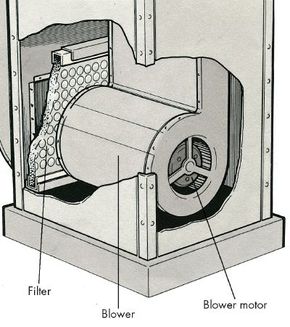
Dirt is the biggest enemy of your furnace. It can waste fuel and drastically lower efficiency. Dirt affects all three basic components of your furnace, so cleaning is the most important part of regular maintenance. The three parts of the furnace should be cleaned: the filter system, the blower, and the motor.
The furnace filter should be replaced or cleaned at the beginning of the heating season and about once a month during periods of continuous use. To check the filter, take it out and hold it up to the light. If it looks clogged, replace it with a new filter of the same type and size regardless of the length of time it has been used.
Advertisement
Step 4: Clean blower assembly, belts and pulleys to blower, and motor housing. Cleaning blower is critical if furnace has a squirrel-cage fan, because openings in this type of blower often become clogged with dirt. To clean blower, remove panel that covers filter to gain access to blower or panel on front of furnace. This panel may be slip-fit on hooks or held by series of retaining screws. Access to inside of blower is usually gained by sliding out fan unit, which is held on track by screws.
If power cord to fan assembly is not long enough to permit fan unit to slide all the way out, disconnect cord. Mark wire connections first so you'll be able to reassemble unit correctly. With toothbrush, clean each fan blade and spaces between blades. Then, with vacuum cleaner hose, remove all dirt and debris loosened by brushing. Vacuum belts and pulleys. Wipe motor housing clean to prevent heat buildup in motor.
Sealed blower motors need to lubrication, but if yours has oil ports, learn how to service them on the next page.
For more articles on home repair, check out the following links.
- How To Repair Gas Furnaces and Gas Heaters: Gas furnaces have become popular because they burn fuel cheaply and with few problems. Keep your gas furnace running trouble-free.
- Major Appliance Repair: If the furnace isn't the only thing in your house on the fritz, you can learn how to fix other machines in this article.
- Small Appliance Repair: Once you've tackled the furnace, a toaster or blender seems like child's play. Find out how to fix them here.
- Thermostat Maintenance: To make sure there's actually a problem with your heating system, you may want to check the thermostat, too. Learn how to calibrate a thermostat.