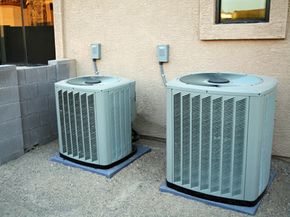
Green energy is a big topic these days, and the list of ways to generate and manage energy more efficiently keeps growing. One innovative way to use energy wisely is through the use of off-peak cooling systems. Off-peak cooling is pretty ingenious because it uses energy at night when the demand is low. Air conditioning is an energy hog, and when some of the electricity needed to cool all that air is distributed over the evening and night hours, it takes some of the burden off the energy grid at the biggest demand times of the day.
This redistributes the demand for electricity, helping to avoid brownouts and blackouts and also takes advantage of lower electricity rates during off-peak times. There are other benefits to off-peak cooling systems, too. Conventional air conditioners use more energy as they get hotter, and the more energy they draw, the less efficiently they use it. Off-peak cooling systems don't only shift the demand for power to a different time of day, they create a more stable cooling environment that can deliver the same cooling capacity with less energy consumption.
Advertisement
Utility companies have to meet the demand for energy during peak periods in whatever way they can. They bring less efficient, dirtier plants on line if they need them and buy energy from other power plants on the grid at premium prices, passing those charges along to their customers. They also expand their facilities when they can't meet current or projected demand. Making the energy grid more efficient by distributing the demand for electricity and reducing energy consumption by running air conditioning at optimal performance reduces greenhouse gas emissions and forestalls the need for more energy plants to handle the load. This is good news for the environment and helps keep the cost of energy under control [source: Katz].
On the next page, we'll take a look at how off-peak cooling systems can work at night and still cool the air during the hottest part of the day.
Advertisement