
Perennial Gardens
Perennial gardens can produce lovely results year after year. Learn how to plan for, plant and care for perennial gardens.
Learn More
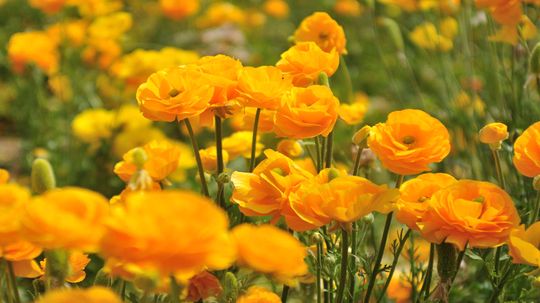
Ranunculus is a genus containing more than 600 species, all of which are beautiful, but toxic to both humans and animals.
By Carrie Tatro
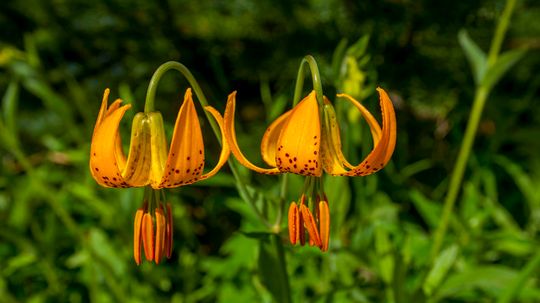
Tiger lilies have it all - they're edible, have healing properties and act as perfect pollinator magnets. They're also long-lasting, strikingly beautiful and super easy to grow.
By Carrie Tatro
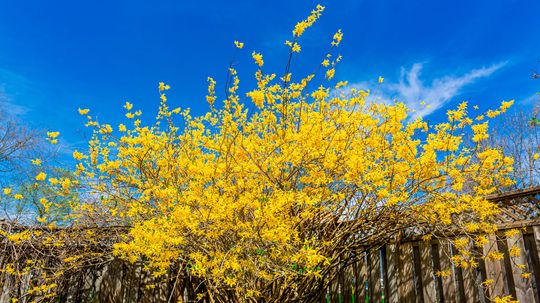
A cinch to plant and tend, forsythia is beloved for its vivid yellow blooms. They also mark the beginning. Here's how to grow and care for these beauties.
By Alia Hoyt
Advertisement
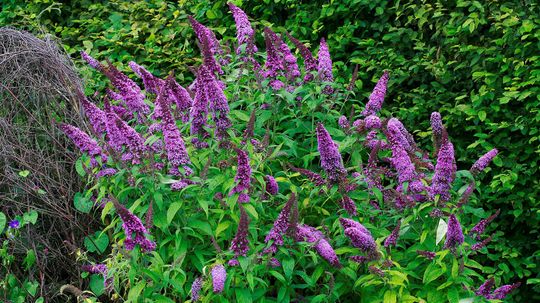
Providing a great backdrop for any sunny garden, the butterfly bush comes in many colors and attracts butterflies, hummingbirds and bees galore.
By Wendy Bowman
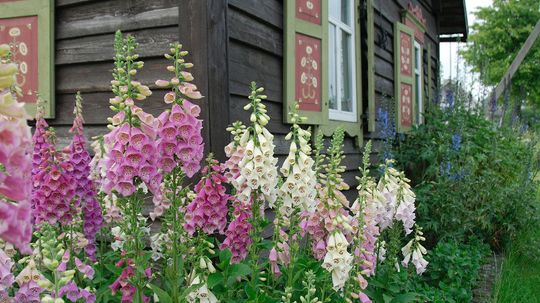
This pretty flower has been known for centuries to have chemicals that can regulate your heartbeat but also poison you.
By Alia Hoyt
These blooming plants will dazzle you with color year after year. Sit back, smell the hibiscus and check out these photos of some of our favorite perennials.
By Marie Bobel
Rose campion is a beautiful, tall, and colorful garden classic that oozes nostalgic charm. Popular in English gardens as long ago as 1597, this classic garden plant makes a good cut flower. Learn about this plant, its history, and its uses.
Advertisement
Goutweed, also known as bishop's weed, can easily grow out of control but for the same reason, it makes for perfect ground cover. Read about its foliage and flowers and how to care for it.
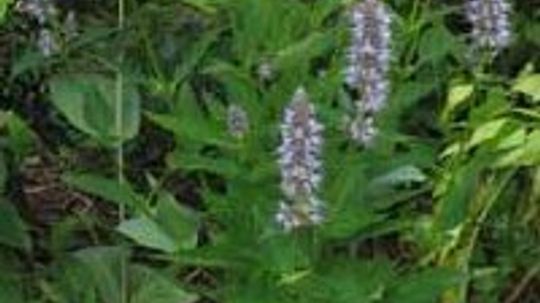
Hyssop, anise hyssop, is a herblike perennial with spikes of brightly colored flowers that bloom in later summer to early fall. Read about this showy plant and find out which animals it attracts.
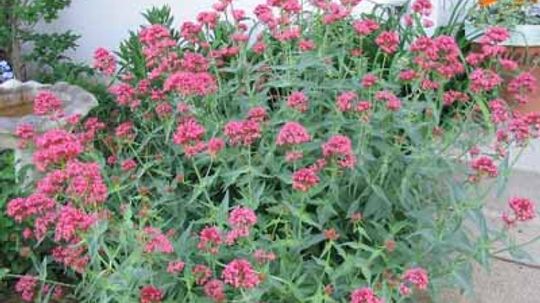
Jupiter's beard, or red valerian, is a cheerful and blowzy plant. It is not fussy and it has a long flowering period, starting in spring. Learn about this old perennial and find out how to grow it.

Monkshood has showy dark blue flower spikes that bloom in late summer and early fall and resemble hoods. Its toxic properties have been described since the early sixteenth century. Read more about this fascinating plant.
Advertisement
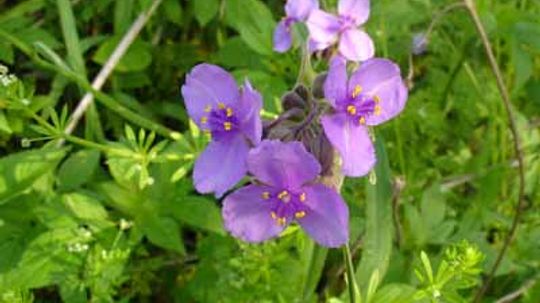
Spiderworts are similar to daylilies and dayflowers where each blossom lasts only one day. They produce 3-petaled flowers that open at dawn. Learn about how to use Spiderworts as a house plant in this article.
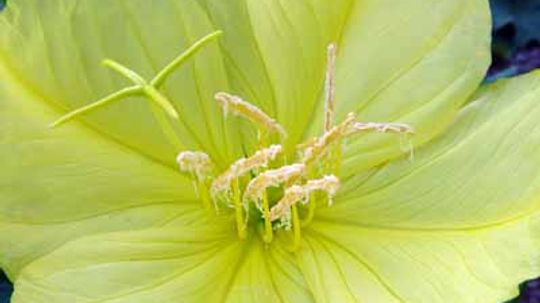
Sundrops (evening primrose) have petals that look like molten gold. The stems grow up to two feet high and are topped by clusters of bright yellow flowers that bloom in the summer.
By C. Colston Burrell
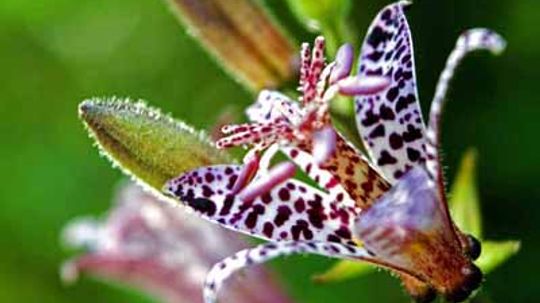
Toad lilies are, contrary to their name, very attractive perennials with purple-spotted, creamy white flowers that bloom in late September or October. They prefer shade and must be protected against frost.
By C. Colston Burrell
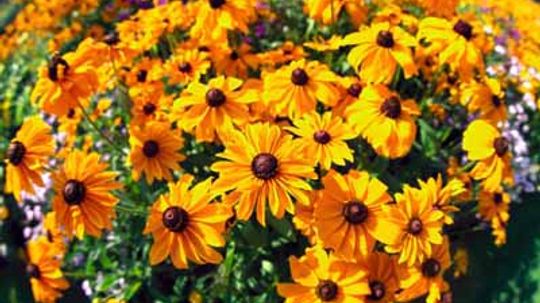
Yellow coneflowers, or black-eyed Susans, are an American wildflower. Their daisylike ray flowers and purple-brown disk flowers bloom in midsummer on to frost and are perfect for cutting. Learn more about these pretty perennials.
By C. Colston Burrell
Advertisement
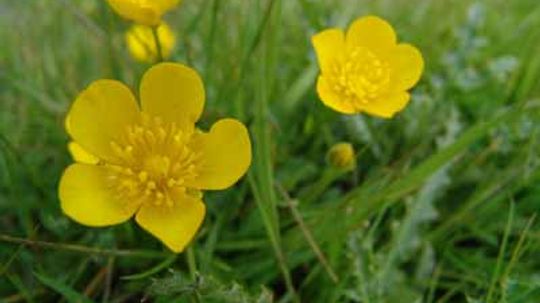
Creeping buttercup, replete with yellow flowers and occasionally spotted leaves, originated in Europe. Some of the buttercup species are aquatic, but in general they look best in more informal gardens. Learn to grow creeping buttercup.
By C. Colston Burrell
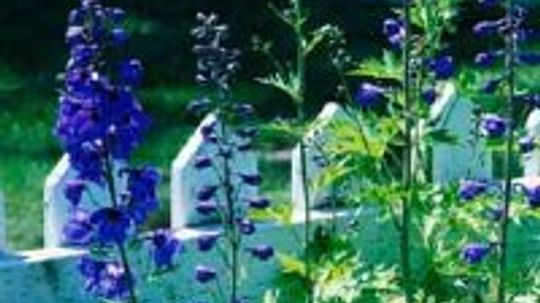
Delphinium, or larkspur, grows delicate, hollow stalks that become covered in flowers. As such, they should be staked or planted near protection from wind. Learn to propagate this cold-resistant blossom.
By C. Colston Burrell
Planting your flower or vegetable plants isn't the first step you take when getting a garden started, but it's the most important. Learn all you need to know about planting a garden.
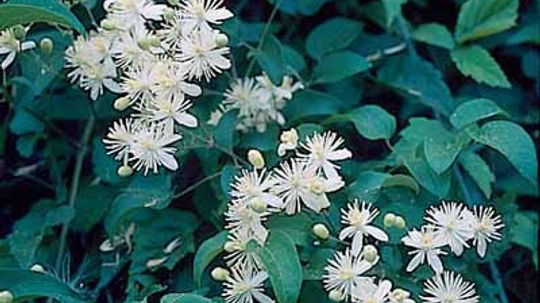
The shrub bush clematis, or upright clematis, makes a good garden border, complement to small conifers, or a tidy cover for a wire structure. Get tips about bush or upright clematis.
By C. Colston Burrell
Advertisement
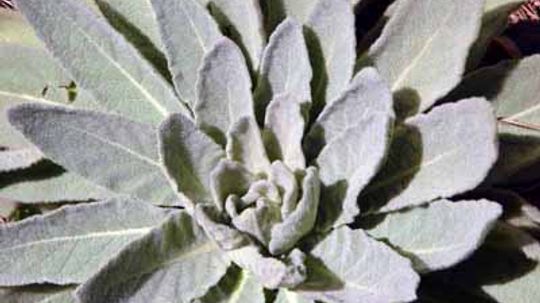
Lamb's-ears, also known as lamb's-tongue, have gray-white, woolly leaves that feel exactly like a lamb's skin. Learn more about growing this full sun annual as a border or in your rock garden.
By C. Colston Burrell
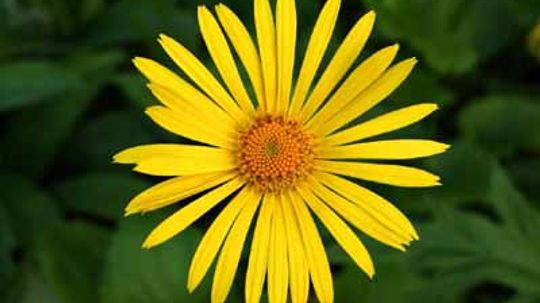
Leopard's-bane has bright yellow, daisylike flowers that bloom in the spring. Read about using this perennial flower as a border plant in front of low walls or as an excellent cut flower.
By C. Colston Burrell
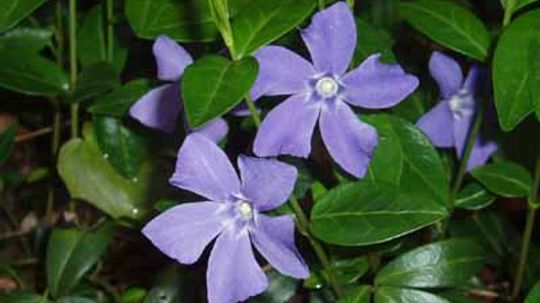
Periwinkle flowers in the early spring. The blue 5-petaled flowers are borne on short stems. Periwinkle makes excellent ground cover and is great when planted along the edge of beds or borders.
By C. Colston Burrell
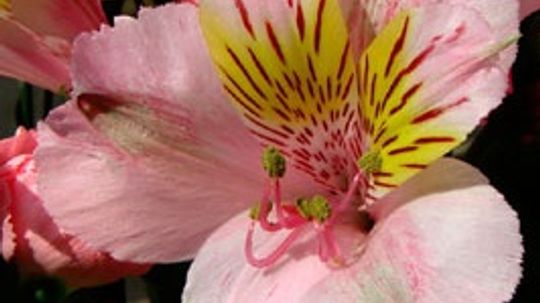
Alstroemerias, or lilies of Peru, are lilylike perennials with trumpet-shaped flowers. Flowers come in pink, rose, purple, yellow, cream, orange, and white and are great in garden containers and flowerbeds. Learn about these showy flowers.
Advertisement
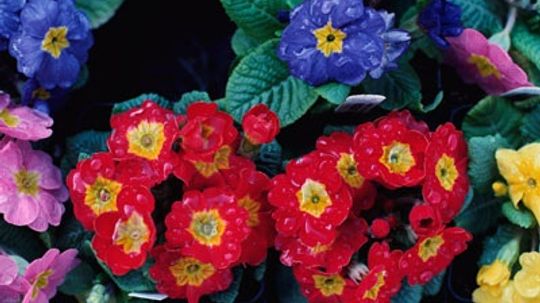
Primrose is a perennial flower. Gardeners enjoy its beautiful shades of colors, including red flowers, yellow flowers, purple flowers and orange flowers. Grow primrose in the outdoor garden bed or as a house plant. Learn about primrose.
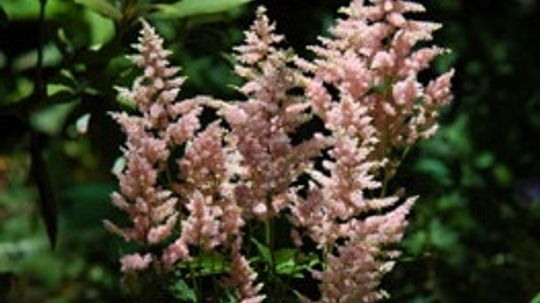
Beautiful perennials for the garden, the astilbes, or garden spireas, available today are usually the result of hybridization. Color may be white, pink, lavender, or cranberry. Learn how to grow this versatile flower.