Every successful plan must be grounded in reality. Before starting a garden, take time to analyze your growing conditions: sun, shade, soil type, climate, and moisture. No plant, no matter how expensive, will look good if it is suffering. Growing conditions can be altered but only to a certain extent. The ideal plan is a balance between the plants you want and those the conditions can support.
Perennial Flowers Image Gallery
Advertisement
To prevent wasted effort, think about your goals first. Do you want to improve the front entrance? Repair the lawn? Make an outdoor seating area? Grow herbs or perennials? Add some shade trees? This is not all going to happen in one day. Approach the tasks in the right order. Plants thrive in healthy soil, not compacted clay or plain sand, so soil may need significant improvement. Trees take precedence over other plants because they take the longest to reach full size. If you want to have your lot terraced, have the construction completed first so that your garden doesn't get squashed by equipment. If you can't afford the terrace yet, grow grass in its place, surround it with a flowerbed of annuals, and plant starter perennials to divide later. Quick projects such as doorway planter boxes give an immediate reward but still fit into the long-term plan.
A Garden for Every Purpose
Different gardens suit different needs, so be sure to consider the functions of your space before you begin. Do you want to create a safe play place for your children, perhaps with room for a swingset or sandbox? Do you have household pets that also need a share of the yard space? If you travel frequently, you'll need easy-care features and plants and possibly automated watering. Perhaps you want to reserve an area for outdoor entertaining with plenty of tables and chairs and a barbeque grill. Don't forget to take the style of your property into consideration as you plan. A large, formal house calls for compatible landscaping, but a cute little cottage from the '30s can get away with whimsical accents.
Also consider the amount of maintenance you would like to perform. A water garden might seem like fun, but will the upkeep be a nuisance? Do you enjoy harvesting cherries, or will you be disturbed by dropping fruit and wasps? An organic vegetable garden can be a priority to one person and an annoyance to another -- let's hope you're not married to each other!
In this article, you'll read about the role that sunlight plays in the growth of your garden plants, and learn to select plants that flourish in sunlight or shade, as well as adjust to the varying day lengths throughout the year. You'll also discover how the amount of rainfall your home receives will affect your garden, and determine the quality of the soil in your yard, with special attention to the texture and organic makeup of the soil.
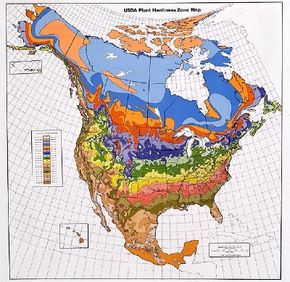
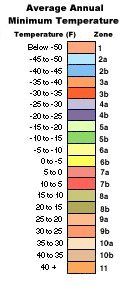
The weather and average temperatures of your locale will dictate which plants will grow well and which will falter. The U.S. Department of Agriculture's Plant Hardiness Map indicates the climate zones for North America. On the next page, learn how your local climate affects your garden.
Looking for more information about gardening? Try these:
- How to Start a Garden: Find out how to get your garden started.
- Planting a Garden: Once the planning is done and the soil is ready, the next step is planting your flowers or vegetables.
- Annual Flowers: Learn about annual flowers, which continue to bloom throughout the growing season.
- Perennial Flowers: Find out about perennial flowers, which return to grace your garden year after year.
- Gardening: Learn the basics of successful gardening.
Advertisement