
Household Safety
Household safety should be given as much attention as any home improvement or decorating scheme. Learn about general household safety and home security.
Learn More

Fire safety is a growing concern for homeowners, particularly in fire-prone areas where dry conditions, high winds and combustible materials can quickly lead to disaster. Taking proactive measures to improve your home's fire resistance can help reduce the fire risk, protecting your family and property from potential damage.
By Mack Hayden
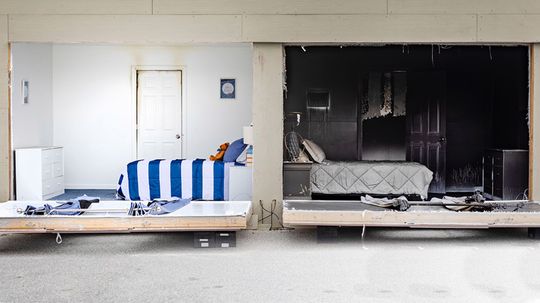
The 'Close Before You Doze' campaign is on a mission to get you to sleep with your bedroom doors closed. Why? Fire safety.
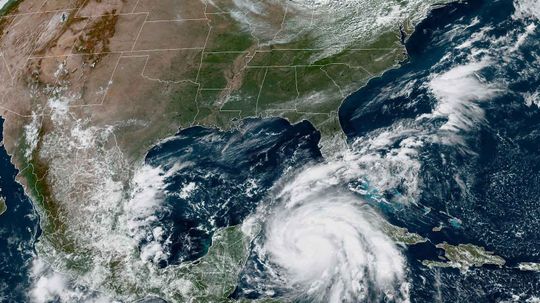
Meteorologists have hurricane prediction down to a science, so preparedness should be the same thing too. Find out how to be ready if the big one's coming.
Advertisement

Many people instinctively turn on a light outside their homes when they're going to be out in hopes of stopping people from breaking in. But interviews with burglars tell a different story about what really deters them.
By Dave Roos
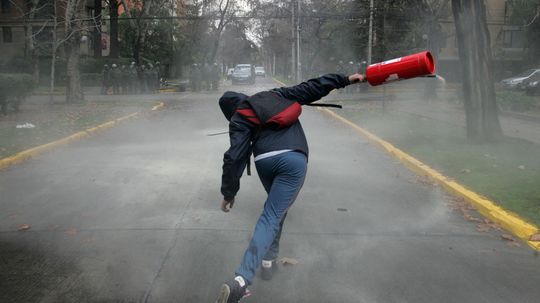
The middle of an emergency is a lousy time to realize that fire extinguishers are more than a point-and-shoot proposition. Think you could manage one that you lob at the local inferno?
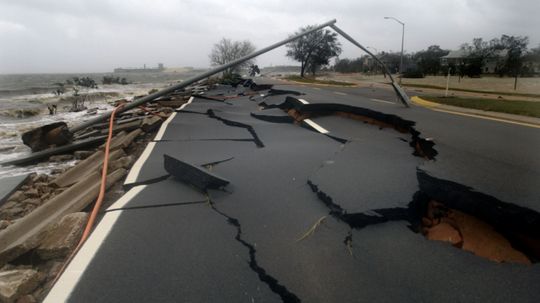
The deadliest aspect of a hurricane is the storm surge. So is there any way to protect your property from this powerful force?
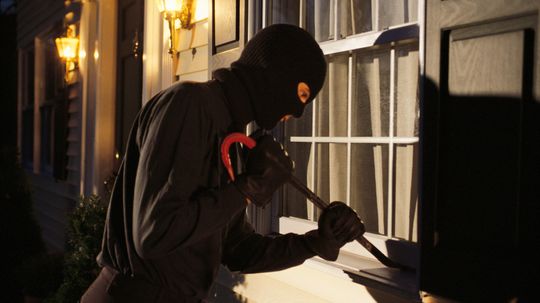
You might be surprised at the tricks burglars can use to sneak inside your home. Not because they're so cunning, but because they're really quite simple. What should you be on the lookout for?
Advertisement
Volatile organic compounds (VOCs) can make you dizzy and give you a headache. How long will these gross gasses hang out after you're done painting?
The VOC content of paint is listed on the front of the can, but that number may not be telling the whole story.
To pick a lock you'll need some picks (or paper clips) and a tension wrench. Learn what lock-picking tools you need to pick a lock in this article.

You want to keep bats out of your house, but don't know how to do it. Learn about how to keep bats out of your house in this article.
Advertisement
It's very important to know how to prevent electrical shock. Learn about how to prevent electrical shock in this article.
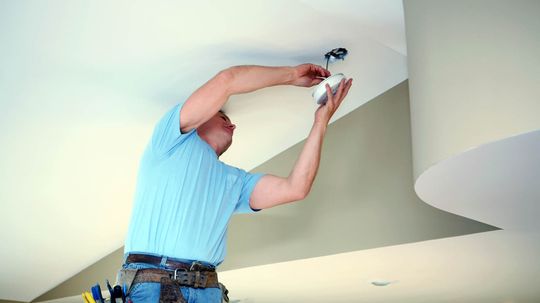
You need to install a smoke detector, but you're not sure how to do it. Learn about how to install a smoke detector in this article.
To open a lock, the bottom pins must be aligned so they're all below the shear line. Learn how to pick a master lock in this article.
Lock pick guns work on the same principle as raking a lock by pushing up the pins. Learn how lock pick guns work in this article.
Advertisement
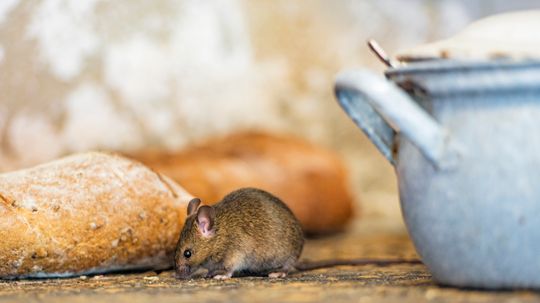
When it comes to preventing an infestation in your home, don't underestimate steel wool for mice control. By using steel wool mixed with caulking compound to plug up openings, you can evict mice from your home forever. Find out how it works!
You need to inspect a CO2 fire extinguisher, but you're not sure how to do it. Learn about how to inspect a CO2 fire extinguisher in this article.
You suspect that you may be allergic to something in the air in your house and you want to test the air quality. You can learn from this article how to test the air quality in your home.
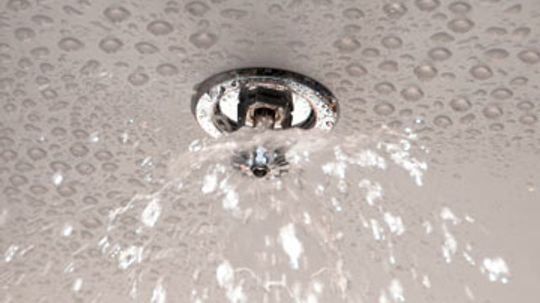
Did you know that fire sprinkler systems are designed to be triggered by extremely high heat, not smoke, so there's less chance of false alarms that can lead to and water damage to property? Read on to learn how and why these fire prevention systems work to save lives.
Advertisement
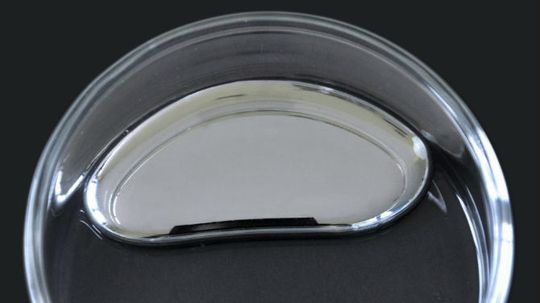
Mercury isn't an element to mess with. It can cause memory problems, lung damage, coordination problems and even death. But as poisonous as mercury poisoning is, it's also not that common. Who's at the highest risk?
By Julia Layton
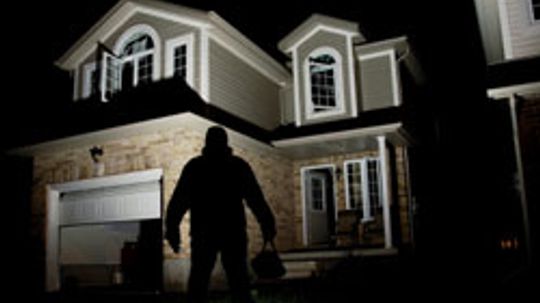
It's not that hard to get into most houses. Between the keys hidden under mats, the shoddy locks and the soul-baring social network statuses on vacation plans, it's pretty easy to find a home's weak spot. How should you protect yours?
By Julia Layton

Whether you're frightened or fascinated by insects, you can probably agree they don't belong in your home. But how can you keep something so small from worming its way into your walls?
By Bambi Turner
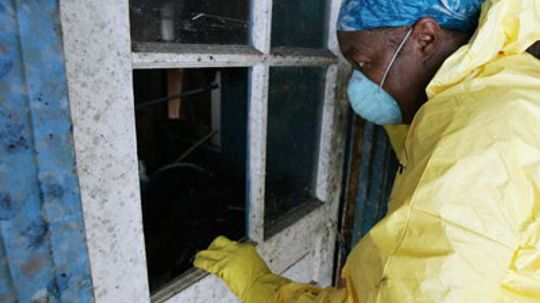
Mold smells, and if you have it in your home, your nose is one of the most inexpensive devises you can use to detect it. The struggle is in understanding when mold is dangerous to your family or home.
By Sara Elliott
Advertisement
Some home dangers aren't as obvious as others. Asbestos, lead and even urea-formaldehyde used as a resin could be in your home right now. Gas mask, anyone?
By Marie Bobel
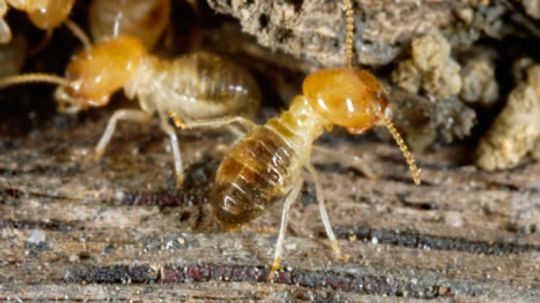
If you own a home, or contemplate owning one, just the mention of termites probably sends chills down your spine. Because of this, builders are getting creative with ways to keep them out.
By Sara Elliott