
Lawn and Garden
Yard and lawn care is an important part of maintaining a home. Learn about landscaping and get yard tips and advice from the experts at HowStuffWorks.
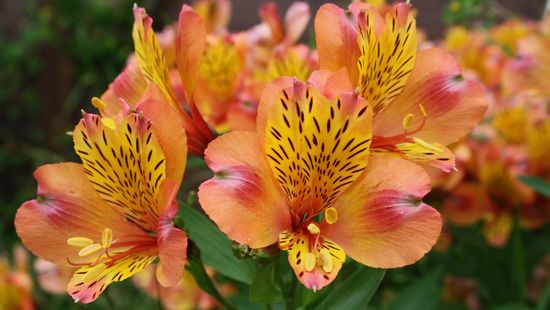
6 Longest-lasting Flowers for Gifts and Homes
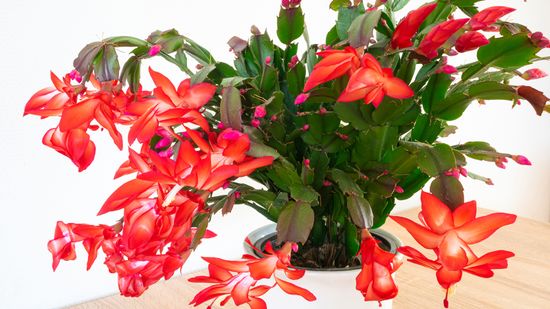
Christmas Cactus vs. Thanksgiving Cactus: What the Schlumbergera?
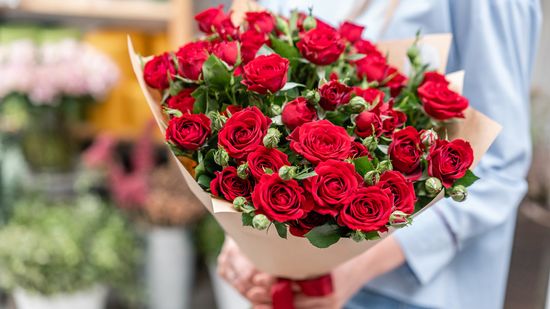
15 Types of Roses (Out of a Whopping 30,000)
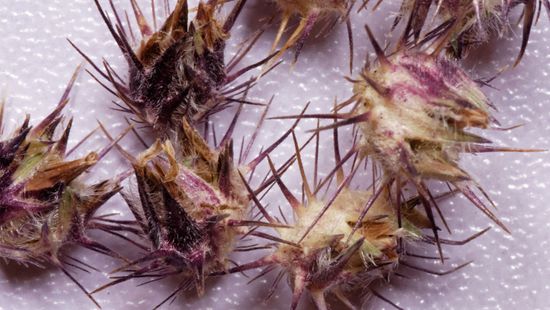
Sandspurs: The Spiky Scourge of Feet and Lawns
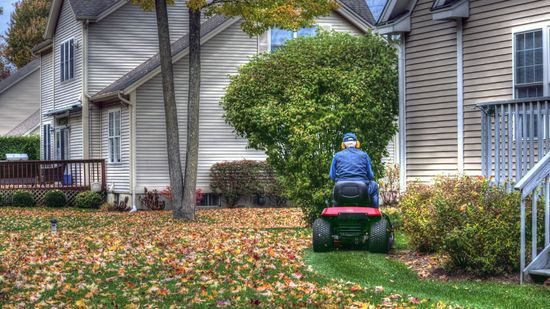
Why You Should Stop Raking Fall Leaves, Stat!

Is Artificial Turf the Lawn of the Future?
What time of day should you water your plants?
What types of stones work well in hardscape designs?

What is aquaponics?

How Azaleas Became the Signature Flowers of the South
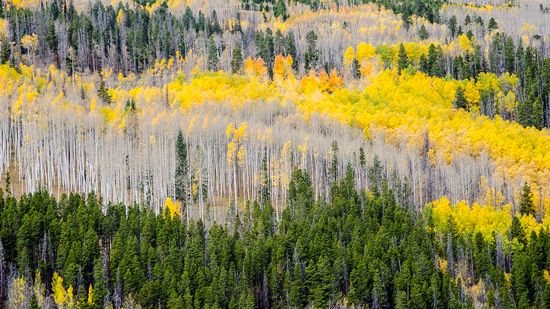
Why Evergreen Trees Don't Shed Their Needle-like Leaves
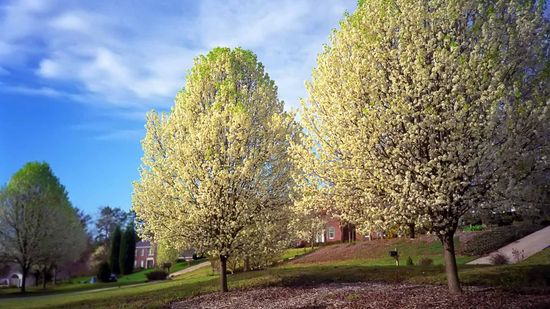
The Dreaded Bradford Pear Tree Smell Isn't Very Pear-Like
Learn More / Page 11
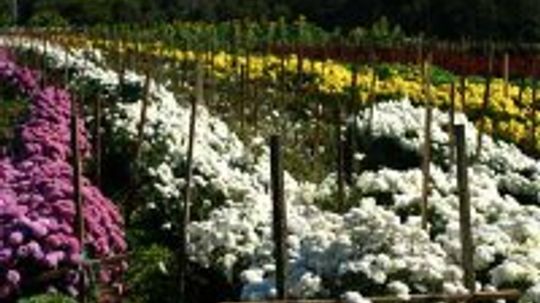
Vegetable plants sometimes need stakes, cages, or trellis systems to ensure healthy growth and a good crop. Tomato plants in particular need support systems to thrive. Learn all about staking vegetable plants.
By C. Colston Burrell
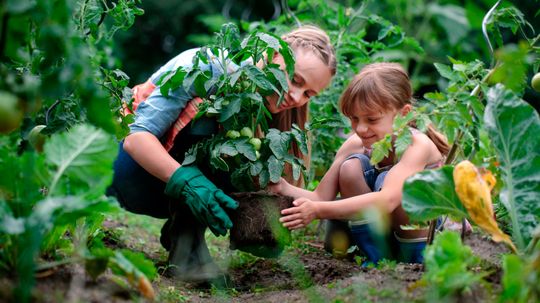
A compost pile is a great resource for your vegetable garden. It provides nutrient-rich soil, and it helps clear away some of your kitchen waste. Learn all about maintaining a compost pile.
By C. Colston Burrell
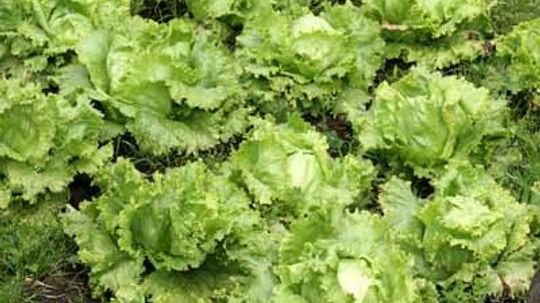
Lettuce is a staple of the American diet. Let it become a regular part of your vegetable garden, too. This article includes tips on growing, selecting and preparing lettuce, and information about its health benefits.
Advertisement
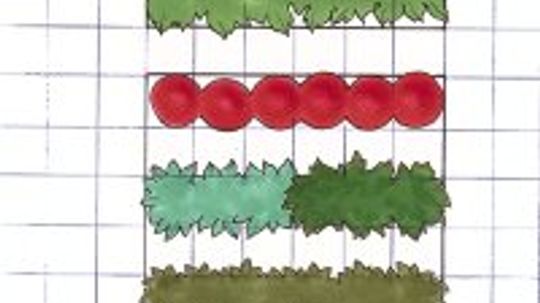
Plotting out your vegetable garden before you start planting can help ensure a successful harvest. Graph paper can assist when you're drawing out your plot plan. Learn about designing a vegetable garden.
By C. Colston Burrell
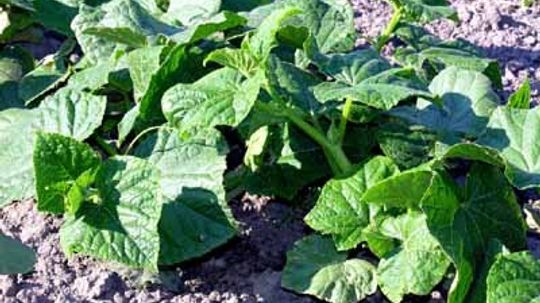
Cucumbers rank high on vegetable lovers' lists because of the delicious, refreshing crunch. Gardeners love the cucumber plant's lovely, sprawling vines. Check out this article for tips on growing and harvesting the cucumber plant.
California black-eyed peas don't like the cold -- but they like the South, and being grown there. Versatile and tasty, black-eyed peas are low in fat, high in fiber and protein. Learn how you can grow and prepare black-eyed peas.
If you're looking for an uncomplicated vegetable to grow, choose green beans. There are several varieties of this delicious vegetable to choose from. This article will show you how to grow and harvest green beans.
Advertisement
Watermelon isn't a small snack -- it can weigh up to l00 pounds. With warm soil and ample water, gardeners can grow this source of lycopene, which can prevent cancer. Learn how to grow watermelon.
Brussels sprouts can take three months to grow, but it's not a hard process -- and it can be a worthy one, given its cancer-fighting abilities and nutritional value. Learn how to grow Brussels sprouts.
Swiss chard is a leafy vegetable that thrives in cooler temperatures. With a growth cycle of roughly two months, Swiss chard needs to be trimmed to retain its flavor. Learn about Swiss chard.
Peppers come in several sweet and hot varieties -- both types make a tasty and attractive addition to any vegetable garden. Learn about growing, harvesting, and serving sweet and hot peppers.
Advertisement
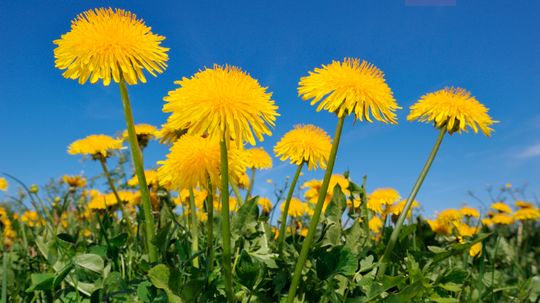
Dandelion is more than just a weed. This very hardy plant is a versatile one, boasting nutrient-rich leaves and roots. Check out this article for tips on growing and harvesting the dandelion plant.
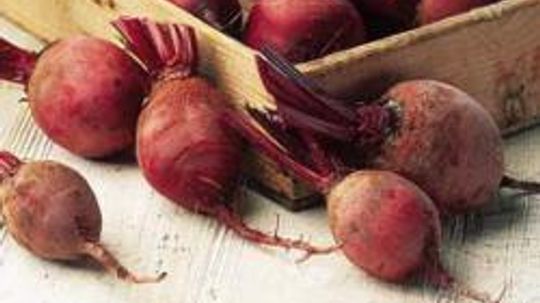
The uniquely sweet beet is a hearty, satisfying vegetable that's also good for you. This article features tips for growing, selecting and preparing beets, and information about the many health benefits of this versatile vegetable.
Broccoli packs more nutrients than any other vegetable. And, it is delicious and low in calories to boot. Learn how to grow, select and prepare broccoli, and about broccoli's numerous health benefits.
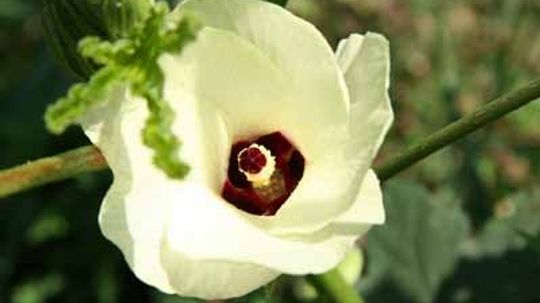
Okra, a very tender vegetable plant, requires warm weather to thrive, but its short harvest time makes it a versatile garden addition. Learn how to grow, harvest, and plant okra.
Advertisement
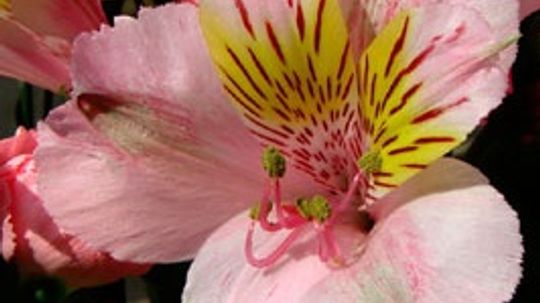
Alstroemerias, or lilies of Peru, are lilylike perennials with trumpet-shaped flowers. Flowers come in pink, rose, purple, yellow, cream, orange, and white and are great in garden containers and flowerbeds. Learn about these showy flowers.
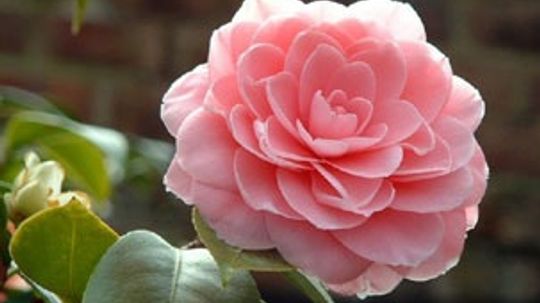
Camellia is a shrub with pink flowers, red flowers, and white flowers. Camellias come mainly from China and Japan. Blooms appear in fall, winter, and spring. Camellias are great accent plants. Learn about the camellia.
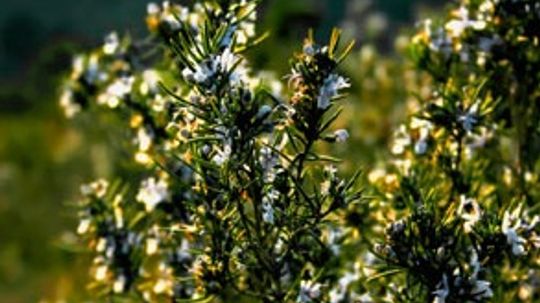
Rosemary is a shrub that comes in all sizes, is rooted easily, and can be grown from a seed or sold while small. Learn how to grow it in containers or gardens.
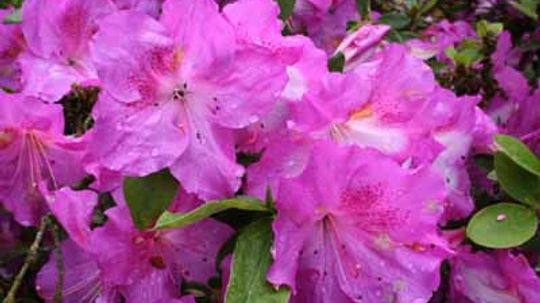
Rhododendrons offer a lot of landscape appeal because of their diverse sizes, shiny leaves, and colorful globes of flowers. Learn to grow them for use in woodland gardens, shubbery borders, and foundation plantings.
Advertisement
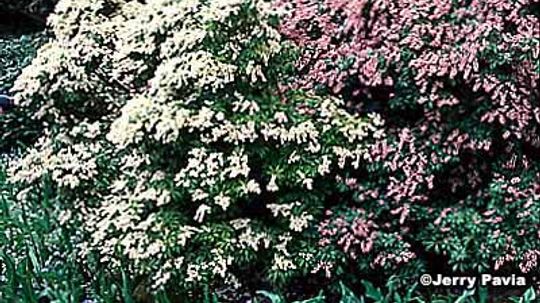
The pieris remains a popular shrub because it has almost every landscape use in borders and as a background plant. Learn to care for and combine this small-flower plant with spring bulbs.
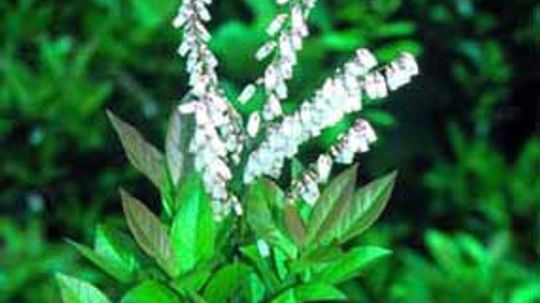
The leucothoe is a low-growing evergreen shrub that is native to the southeastern United States. It is a good ground cover and is excellent for mass plantings. Find out about this shrub.
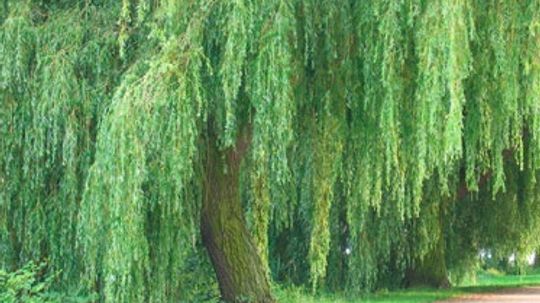
Weeping willows are wide, tall trees with curtains of drooping branches. Their small, narrow leaves appear late winter. Plant these trees near a pond or lake. Learn about this beautiful tree.
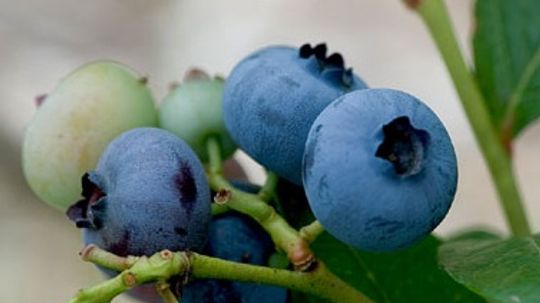
Blueberry bushes have clusters of white, bell-like flowers in spring and edible blueberries in summer. High producers like bluecrop can give more than ten quarts of blueberries per year. Learn about this shrub.
Advertisement
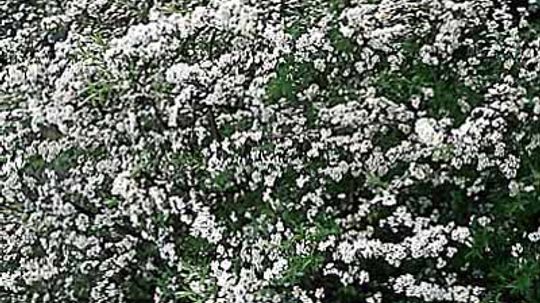
Bridal-wreath can grow 6 to 10 feet high and spread 10 to 12 feet wide. The small leaves are greenish-blue and masses of small, white flowers cover it in spring. Learn about this shrub.
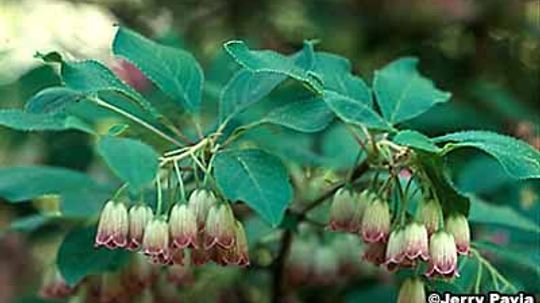
Enkianthus comes in a variety of shapes, sizes and colors. It can be either a dome-shaped shrub or a small tree with clusters of small bell-shaped, veined reddish-beige or pink flowers. Learn about this shrub.