
Gardening
Gardening is a useful and relaxing pastime. Read gardening tips and learn how to plan and care for a variety of gardens.
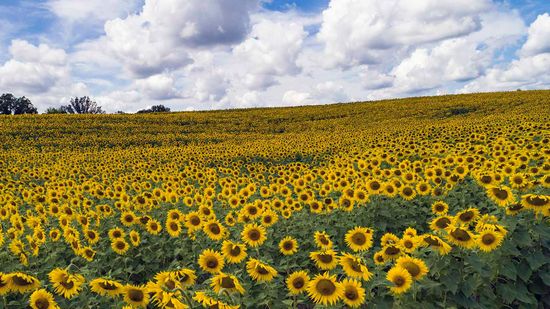
12 Sunflowers Facts for Beginner Gardeners

How can you recycle water for your outdoor garden?

5 Ways to Garden in Winter
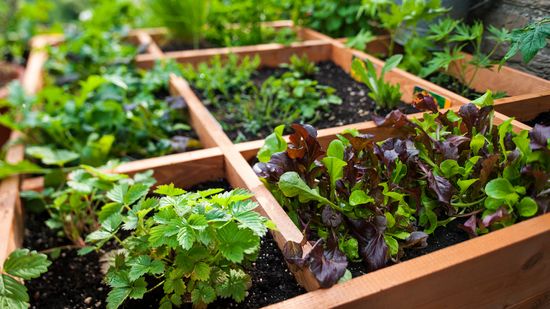
Square Foot Gardening: The Planting Method Created By an Engineer
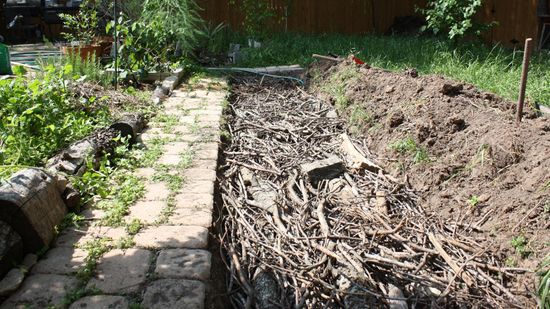
Hugelkultur Bed: Creating the Perfect Soil for Your Garden
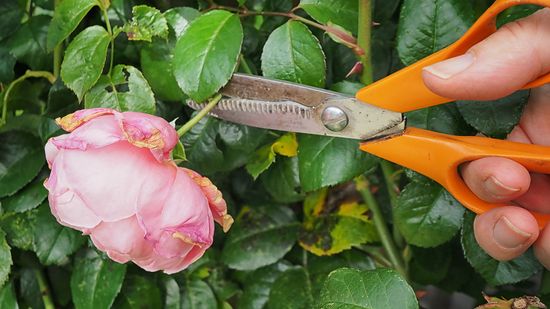
How Deadheading Helps Flowering Plants Flourish
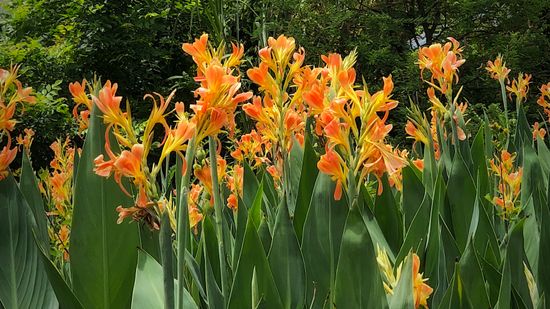
How to Store Canna Bulbs
Flowering Onion
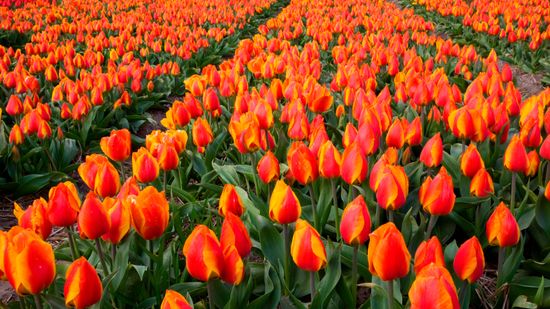
Tulip

11 Easiest Vegetables to Grow Throughout the Year
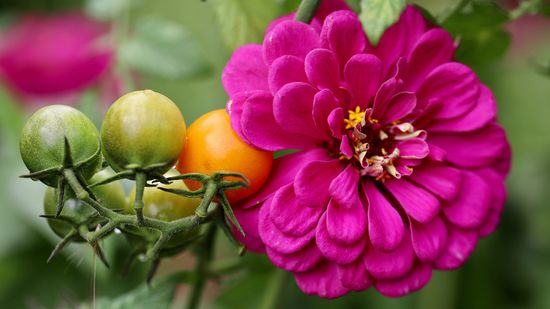
Companion Planting: The Do's and Don'ts of Growing Plants Together
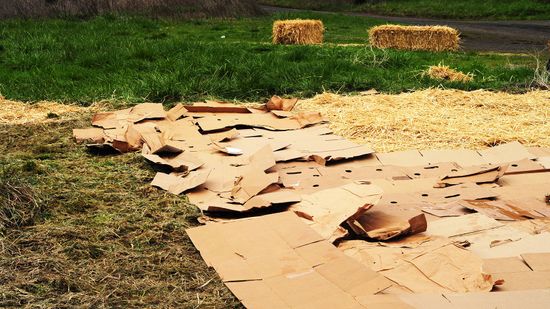
How 'Lasagna Gardening' Helps Create Healthy Soil
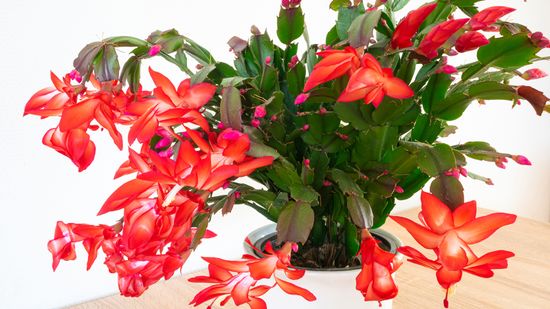
Christmas Cactus vs. Thanksgiving Cactus: What the Schlumbergera?
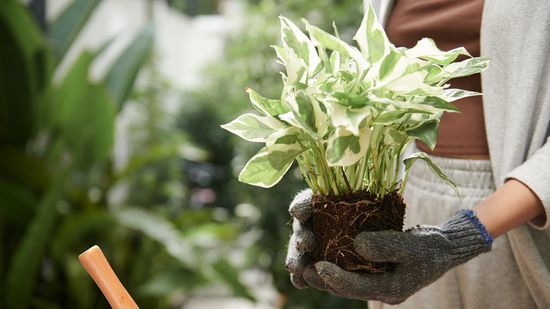
Pothos vs. Philodendron: Comparing Low-maintenance Plants
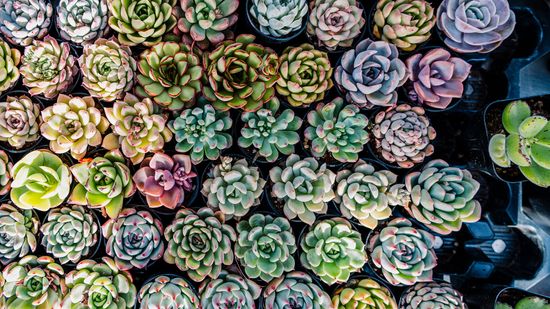
12 Types of Succulents for a Low-maintenance Garden
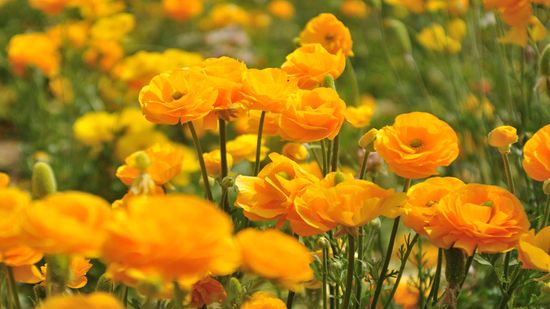
Ranunculus Is a Toxic Beauty With a Doozy of a Name
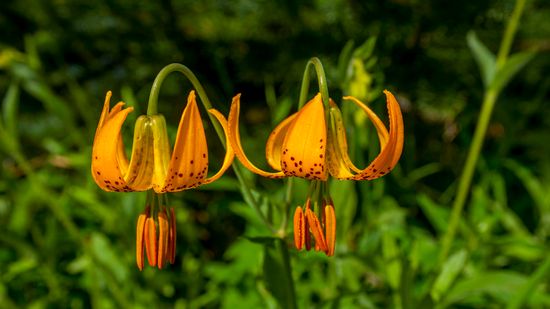
Tiger Lilies Are Easy-to-grow Garden Showstoppers
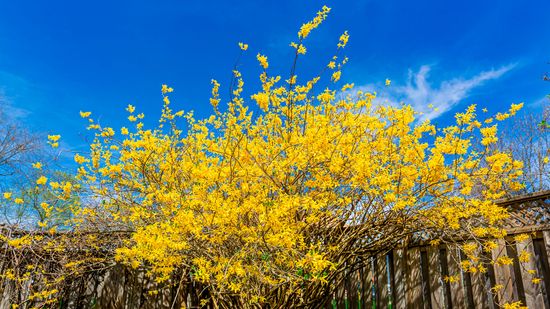
Caring for Forsythia, the Flaming Yellow Sign of Spring
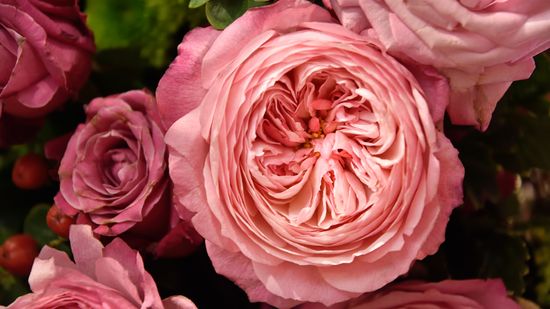
Most Expensive Flower (and 5 More Blooms That'll Break the Bank)
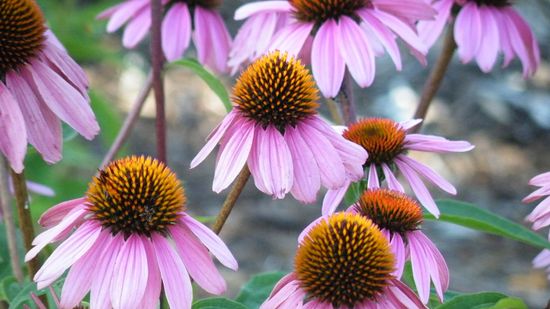
5 Easy Medicinal Herbs You Should Know and Grow

How Do You Grow a 2,000-pound Pumpkin?
Learn More / Page 5
Hyssop, anise hyssop, is a herblike perennial with spikes of brightly colored flowers that bloom in later summer to early fall. Read about this showy plant and find out which animals it attracts.
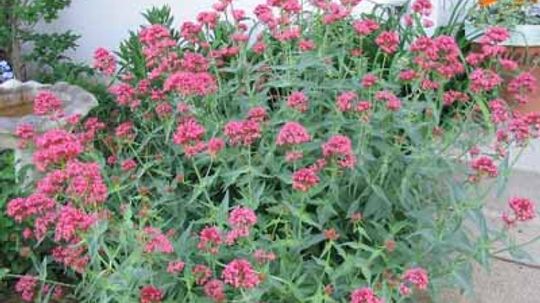
Jupiter's beard, or red valerian, is a cheerful and blowzy plant. It is not fussy and it has a long flowering period, starting in spring. Learn about this old perennial and find out how to grow it.

Monkshood has showy dark blue flower spikes that bloom in late summer and early fall and resemble hoods. Its toxic properties have been described since the early sixteenth century. Read more about this fascinating plant.
Advertisement
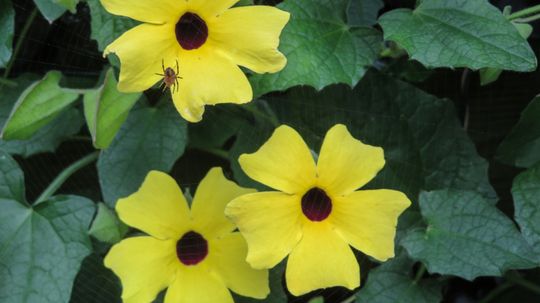
Thunbergia, also known as Black-Eyed Susan Vine or Clock Vine, climbs to heights of 8 feet. Petals of white, yello, orange, or cram fan around dar "eyes." Learn about thkis fantastic trellising plant.
By C. Colston Burrell
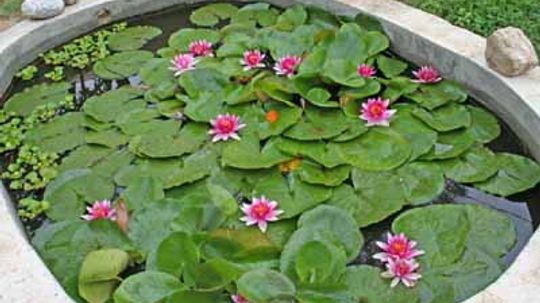
Installing a water garden pond doesn't have to be left to the professionals. Home gardeners have many techniques and options to choose from, and can easily install their own ponds. Read to find out how.
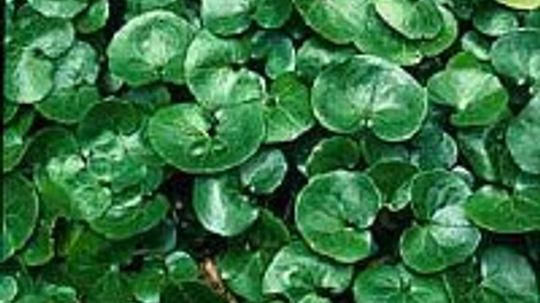
European wild ginger is an adaptable, little-known shade plant that will brighten up any yard or garden. Learn how to grow, cultivate, and maintain European wild ginger successfully.
By C. Colston Burrell
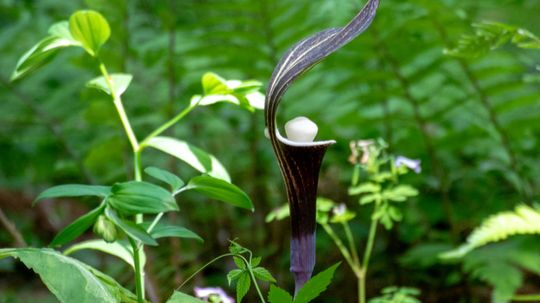
Jack-in-the-pulpit is an intriguing wildflower native to North America named for its oddly-shaped bloom. Learn how to grow and use jack-in-the-pulpit in your yard or garden.
By C. Colston Burrell
Advertisement
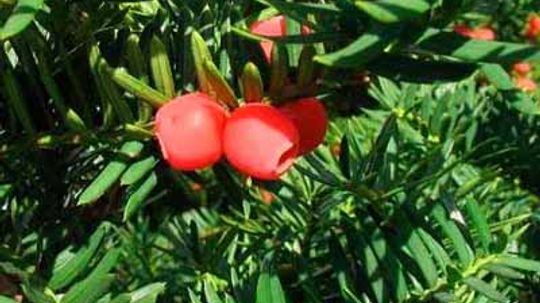
Japanese yew is one of the only conifers that is shade tolerant, and it produces vibrant berries that please the eye. Learn how to grow and use Japanese yew in your garden or as a house plant.
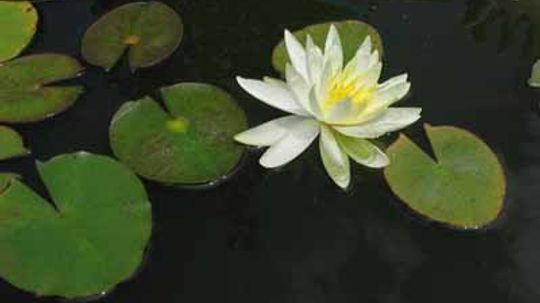
Hardy water lily is a cross between European and North American species that is a popular centerpiece for many gardens. Learn how to grow and maintain hardy water lily in your pond or fountain.
By C. Colston Burrell
Track developments and changes in your garden with a log, and gain a handy tool for years to come. Learn to keep a garden journal and fully maximize the potential of your garden.
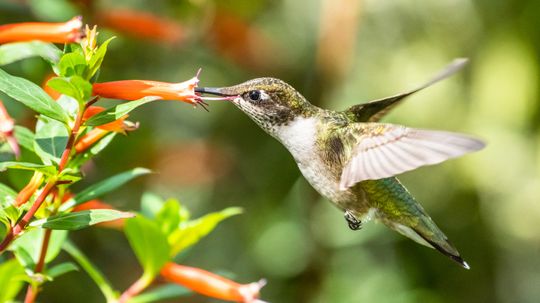
Firecracker plant, with red tube-like flowers, needs direct light and at least 6 inches of surrounding space. Start your indoor garden with firecracker plants, which look great spilling out of hanging or boxed planters.
By C. Colston Burrell
Advertisement
A good design makes your garden more than just a pretty space. It brings together the inside and outside rooms of your home. Learn how design can be your first step towards a successful garden.
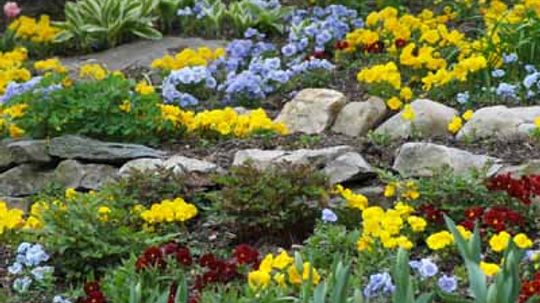
Rock gardens bring mountain-inspired beauty to your backyard. This article will give you all you need to know to plan a rock garden, including advice on planting, building, and caring for rock gardens.
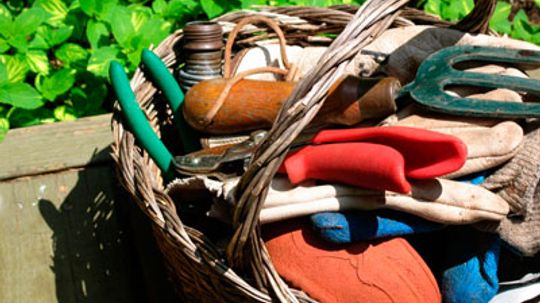
Garden soil provides nutrients, moisture, and support for the plants in your garden. For a successful garden, the content of your soil must be balanced. Learn all about preparing your garden soil.
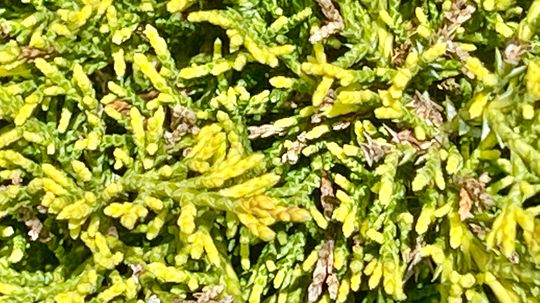
Creeping juniper produces bluish green leaves, turning purple in winter, contrasting nicely against snow. Females sprout tiny, spherical bluish green berries. Learn how to grow this lovely evergreen plant as part of a winter garden.
By C. Colston Burrell
Advertisement
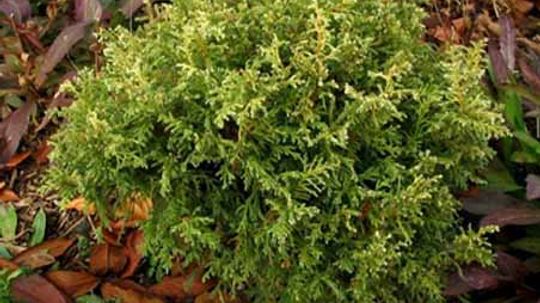
Dwarf false cypress will grow in rocky soil with some moisture and matures slowly. In this article, learn about planting, growing, propagating, and using dwarf false cypress.
By C. Colston Burrell
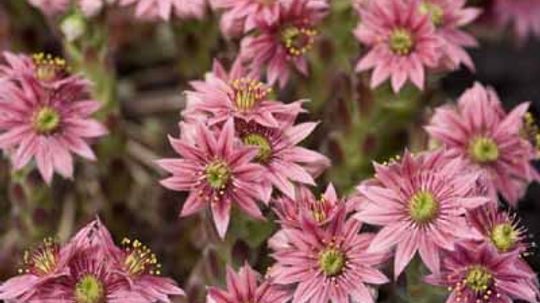
Hens-and-chicks will grow in rock crevices with seemingly no soil. In this article, learn about planting, growing, propagating, and using hens-and-chicks.
By C. Colston Burrell
Rockfoil will grow in gritty soil and produces small flowers. In this article, learn about planting, growing, propagating, and using rockfoil.
By C. Colston Burrell
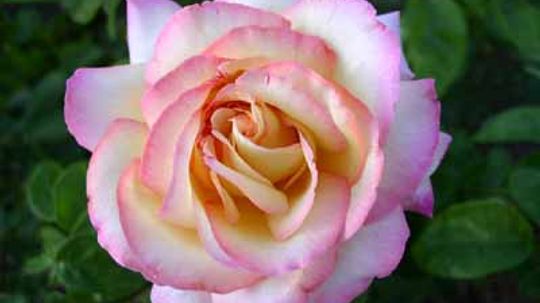
Hybrid tea roses are considered by many to be the perfect rose, and are a mainstay of floral shops. Learn how to grow and cultivate this captivating bloom that maximizes your garden.
By C. Colston Burrell
Advertisement
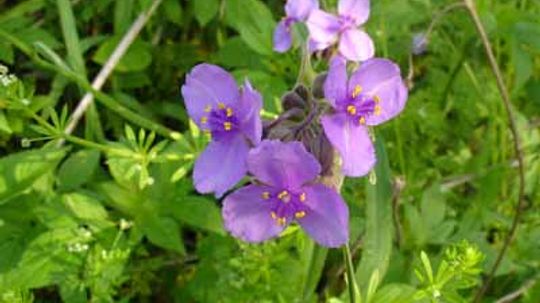
Spiderworts are similar to daylilies and dayflowers where each blossom lasts only one day. They produce 3-petaled flowers that open at dawn. Learn about how to use Spiderworts as a house plant in this article.
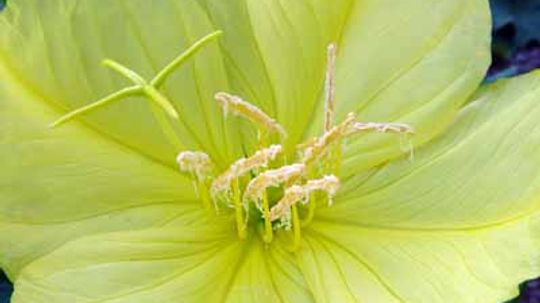
Sundrops (evening primrose) have petals that look like molten gold. The stems grow up to two feet high and are topped by clusters of bright yellow flowers that bloom in the summer.
By C. Colston Burrell
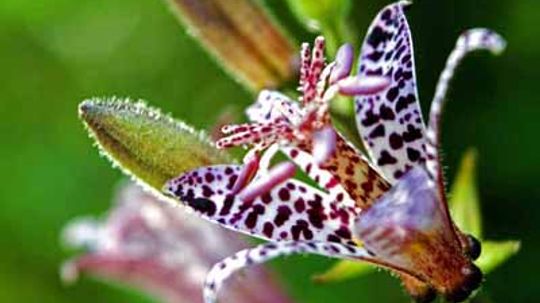
Toad lilies are, contrary to their name, very attractive perennials with purple-spotted, creamy white flowers that bloom in late September or October. They prefer shade and must be protected against frost.
By C. Colston Burrell
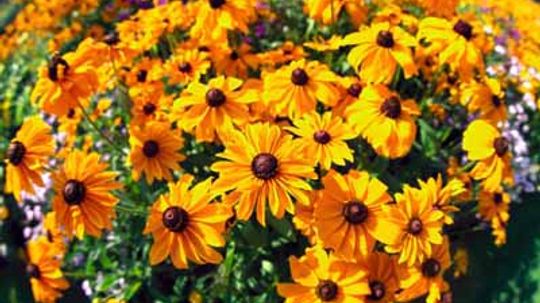
Yellow coneflowers, or black-eyed Susans, are an American wildflower. Their daisylike ray flowers and purple-brown disk flowers bloom in midsummer on to frost and are perfect for cutting. Learn more about these pretty perennials.
By C. Colston Burrell
Advertisement
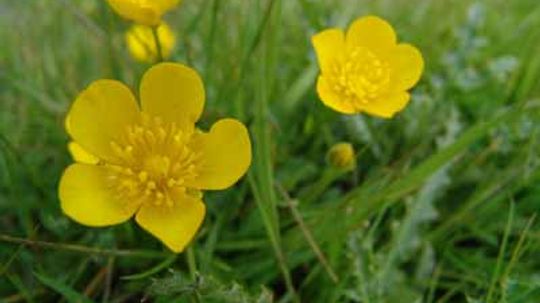
Creeping buttercup, replete with yellow flowers and occasionally spotted leaves, originated in Europe. Some of the buttercup species are aquatic, but in general they look best in more informal gardens. Learn to grow creeping buttercup.
By C. Colston Burrell
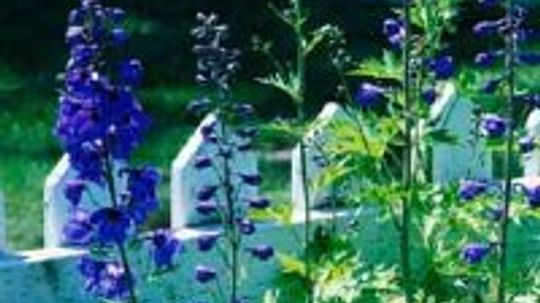
Delphinium, or larkspur, grows delicate, hollow stalks that become covered in flowers. As such, they should be staked or planted near protection from wind. Learn to propagate this cold-resistant blossom.
By C. Colston Burrell