
DIY Projects
You've got this! Basic DIY takes you step-by-step through projects you can do on your own in almost no time at all. No engineering degree required.

14 Types of Tape for Crafts, Temporary Repairs and More

Owning an Old House: Charming Love Affair or Expensive Money Pit?
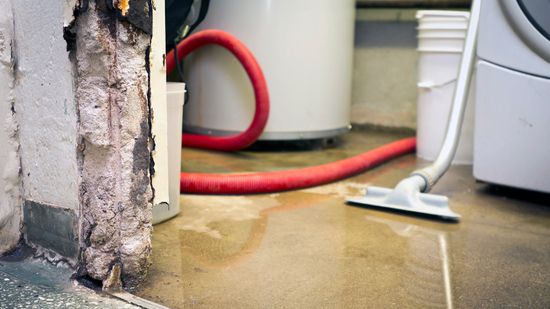
How to Waterproof Your Basement
How soon can you use a floor after putting adhesive on a vinyl tile?
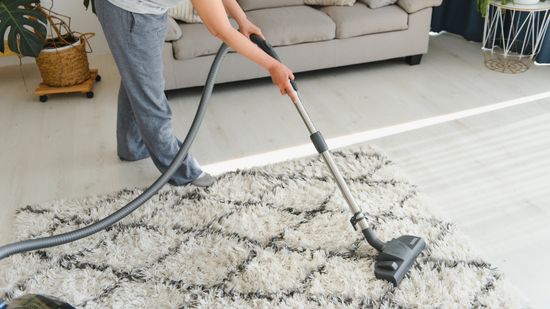
How do you use carpet tacks?

How to Choose a Carpet Color

Does One Dripping Faucet Really Prevent Frozen Pipes?
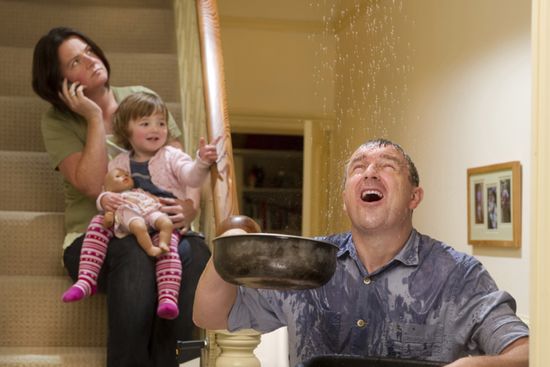
What causes pipes to burst when they freeze?

'Fireproof' House Upgrades for Peace of Mind
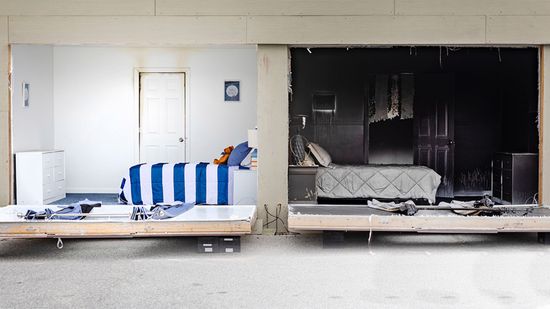
Closing Your Bedroom Door at Night Could Save Your Life

How to Prepare for a Hurricane
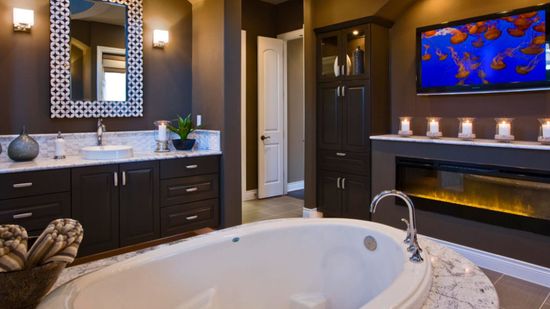
Why Electric Fireplaces Are Hot

Should You Turn Your Heat Down When You're Not Home?
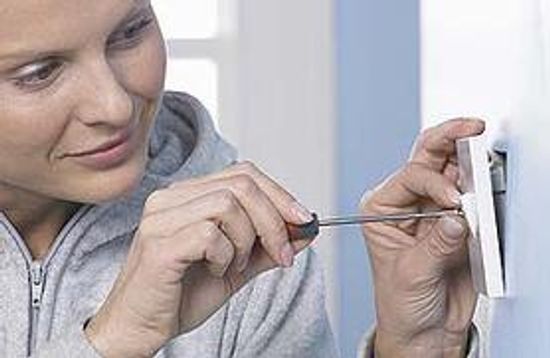
Top 7 Ways to Improve the Energy Efficiency of Your Garage
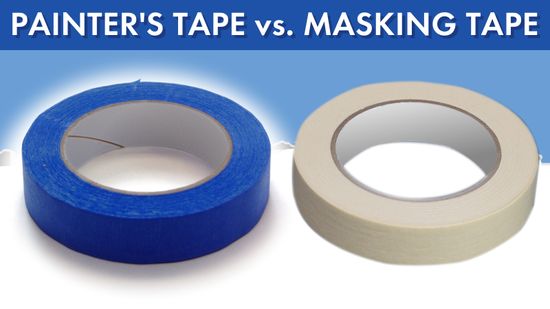
Painter's Tape vs. Masking Tape: What's the Difference?

Can I Use Interior Paint for Exterior Surfaces?
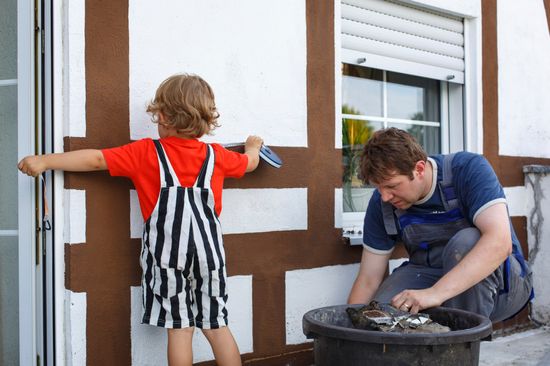
10 Tricks for Painting Your Home's Exterior

Not Your Grandmother's Wallpaper: The Return of Wallpaper
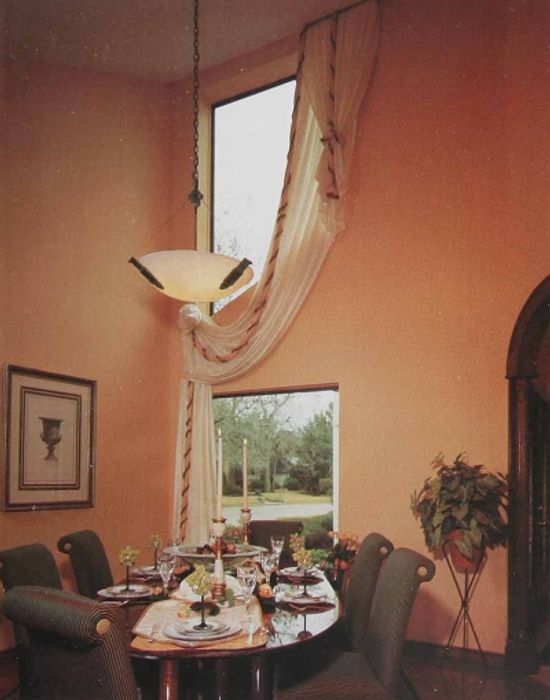
Window Treatment Ideas
Learn More
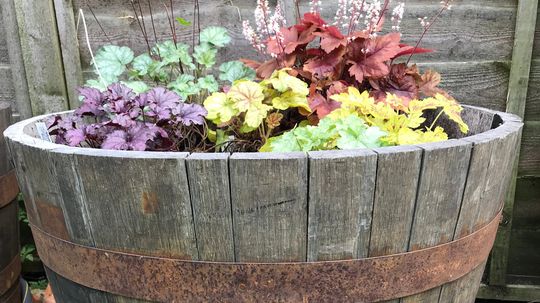
Whether you buy them at a garden retailer or find them at a thrift shop, old whiskey barrels are useful in so many ways.
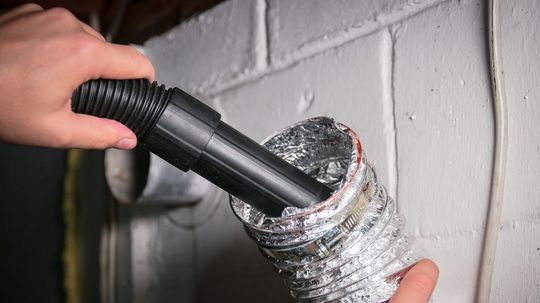
You may have never cleaned your dryer vent before but there are many reasons why you should. Plus, it's pretty easy to do. We'll show you how.
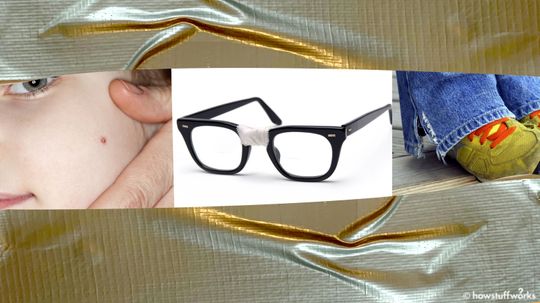
Whether it's getting rid of a wart, protecting your boots from the elements or crafting roses, duct tape is up to the challenge. Duct tape even played a supporting role on the Apollo 13 lunar mission.
Advertisement
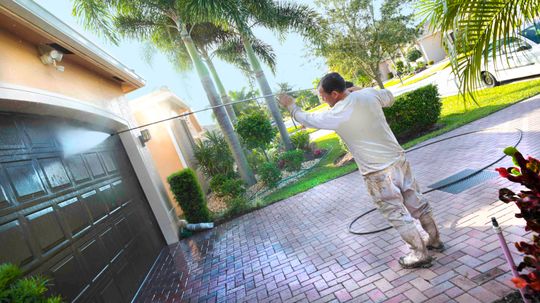
Pressure washing can be so satisfying on some primal level, but the right equipment makes all the difference. And remember, safety first.
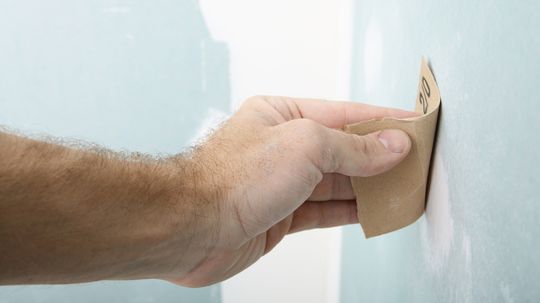
Drywall can withstand only limited abuse. We'll tell you how to repair small and large holes that inevitably occur from years of wear and tear.
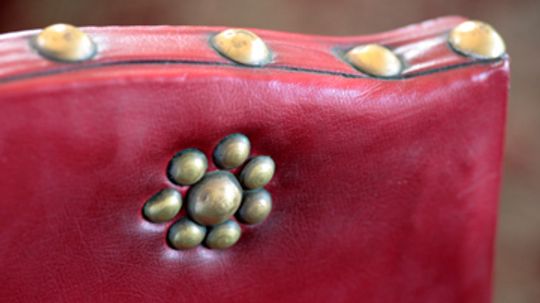
What words come to mind when you think of metal-studded furniture? Antique? Expensive? Not necessarily. Thanks to a new DIY trend, adding some sophisticated-looking studs to your decor is easier (and cheaper!) than you'd think.

When repainting your home, you may decide to texture your ceiling. Learn about how to texture you ceiling from this article.
Advertisement

You need around one screw for every square foot of drywall, so the total number of screws depends on how much area you want to cover and how closely the wood studs are spaced. Find out how to estimate the number of screws in drywall in this article.
Although black drywall screws are rust-resistant, they do sometimes rust or otherwise disappoint users. Learn about whether black drywall screws rust in this article.
Plumbing is serious business. It's not something you want to mess around with yourself unless you know what you're doing, but it can be very expensive to have a plumber come in. But before he does, there are a few things you should know.

You love your house, but you are B-O-R-E-D. Living with the same decor season in and season out can leave even the most well-dressed room looking tired. Changing it can reinvigorate you and your space, without killing your wallet.
By Sara Elliott
Advertisement
Have you been bitten by the DIY bug? A lot of us have, and it's a great time to get started on your basement. Whether you're finishing it or renovating it, there are some tools you'll want to have handy.

When you lay your head down on your pillow at night or when you leave on vacation, it's comforting to know your home is secure. Here are our favorite innovations for keeping you and your possessions safe.

Home is where the heart is. It's also where Grandma's rubies and the flat-screen TV are. Keep your abode safe with our common-sense and street-smart tips. As they say, better safe than sorry!
By Echo Surina
You can't leave all your worries behind if your home is unprotected. Here are 10 tips to consider before you head out on vacation.
By Sara Elliott
Advertisement
Whether you're painting, putting in a sunroom or just puttering around the garage, make safety your top priority. No project is worth risking serious injury.
By Sara Elliott

We often think of our homes as our safe havens, but that's not always the case. While there's no need to wear a helmet around the house all day, there are some practical things you can do to prevent accidents in your home.
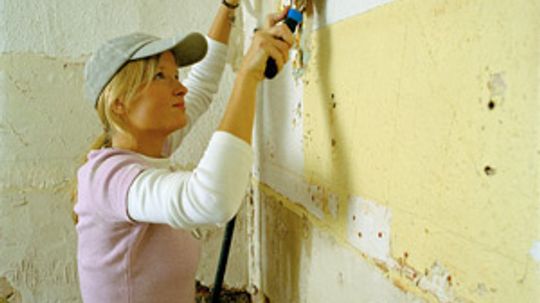
There's something about wallpaper removal that frustrates even the most enthusiastic home improvement hobbyists. Luckily, you can find fast and effective ways to remove wallpaper in this article.
By Echo Surina

Furniture restorers all have one thing in common - the desire to pluck a piece of furniture off the side of the road and restore it to its former glory. But you don't have to be a pro to get the job done.
Advertisement
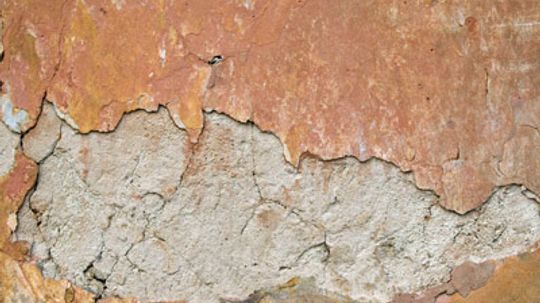
When building a home or remodeling, people usually think about the granite countertops, the extensive square footage or the number of windows in the new space. But what about the walls?
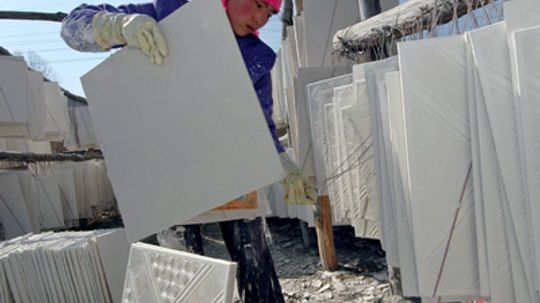
During the housing boom of the early 2000s, drywall manufacturers couldn't keep up, so builders turned to China. And while there was plenty of cheap drywall, it also could be toxic.
The kitchen is arguably the most popular room in the house. It could also yield the most amount of money of any home improvement project. But what could have your profits headed down the drain?
By Sara Elliott
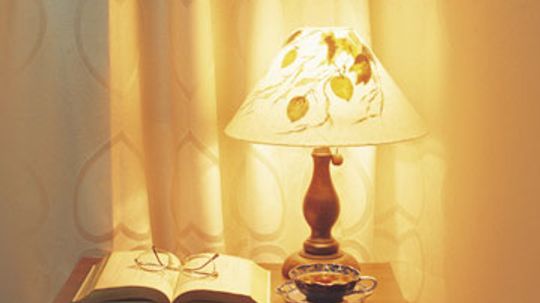
This decoupage lampshade lighting project adds a unique element to your home's decor. Learn to make a decoupage lampshade at HowStuffWorks.
Advertisement
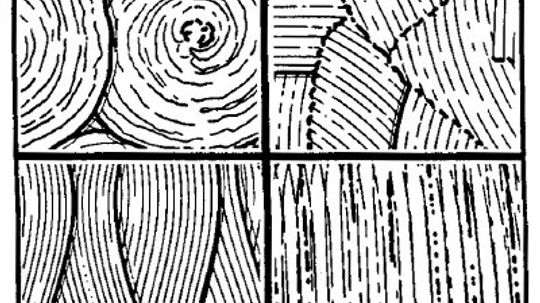
You don't need to hire professionals to take care of messy walls. Instead, you can just cover them up with our creative wall treatments. Learn to cover walls with stucco, fabric, paneling, brick, and tiles.
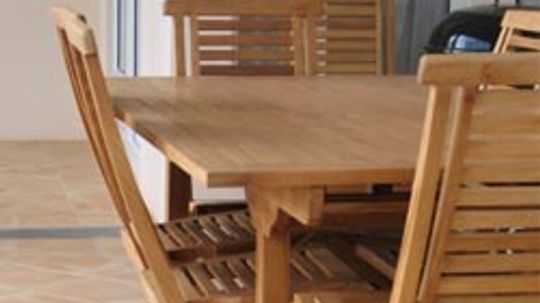
Build your own furniture to enhance the organization of your home and update the look of any room. These easy-to-follow instructions help you create a wooden bookcase, desk, telephone stand and plant stand.